


To get the most out of fat-soluble hormones, take supplements with meals that have healthy fats like avocados, olive oil, and fatty fish. To help your hormones work better, eat foods high in fiber and fermented foods. Take your supplements at the right times: in the morning to speed up your metabolism and at night to help you recover. Get 7 to 9 hours of sleep every night, deal with stress every day, and do resistance training to make your hormone receptors more sensitive.
These practical changes will make your hormonal system work much better.
The Science Behind Fat-Soluble Hormone Absorption
Your body produces many hormones essential for health, but it must process fat-soluble hormones in a specific way for them to work properly. These hormones dissolve in fats and oils, unlike their water-soluble cousins. You need to eat enough lipids in your diet for them to be absorbed properly.
Your digestive system breaks down dietary fats into smaller pieces that come together to make micelles. These micelles carry fat-soluble hormones across your intestinal lining. This process has a direct effect on hormone bioavailability, which is the amount that actually gets into your bloodstream and the tissues it needs to reach.
After being absorbed, these hormones move through your lymphatic system before entering the blood. Then your liver breaks them down, altering hormone production and metabolism. Bile production and gut health are two important factors that affect how well these powerful chemical messengers can control your metabolism, growth, and immune function.

Essential Dietary Fats That Enhance Hormonal Function
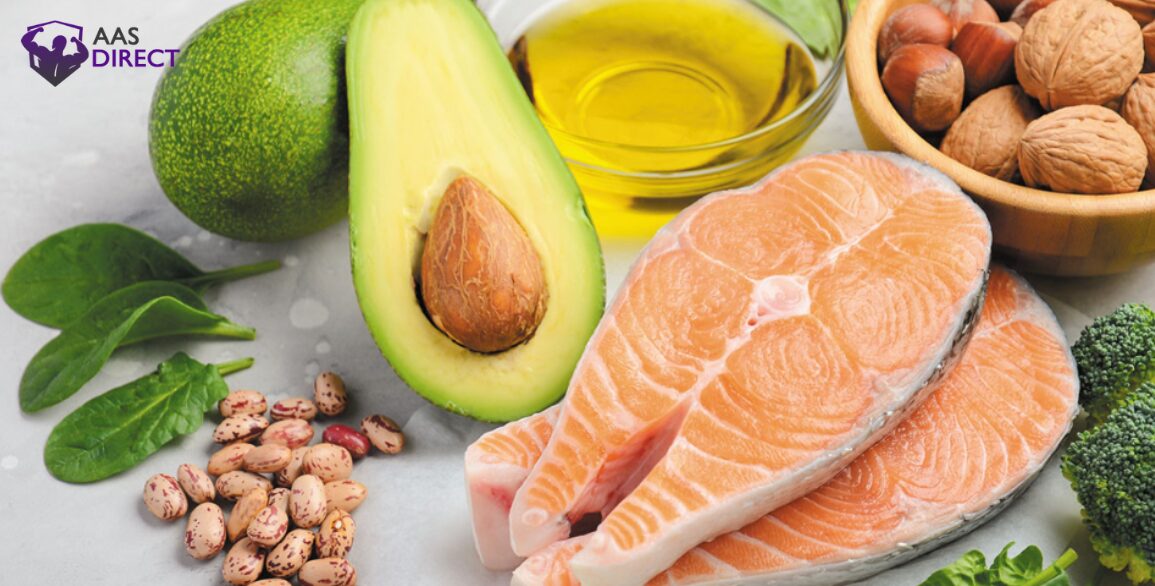
Now that you know how absorption works, the next step in improving hormone function is to choose the right fats. Fatty fish and flaxseeds are good sources of omega-3 fatty acids, which help make estrogen and testosterone. Medium-chain triglycerides help the body absorb vitamin D.
Don’t forget about the monounsaturated fats in avocados and olive oil. These fats help keep cell membranes strong, which is important for hormone receptor function. Cholesterol from egg yolks and grass-fed meats is also important because it helps make testosterone.
For the best hormone optimization, try to get a balanced amount of fat in your diet, with 20–35% of your daily calories coming from high-quality sources. Adding vitamin E-rich foods like nuts and seeds to these fats makes them even easier to absorb and protects hormones from damage caused by oxidative stress.
Optimizing Your Gut Health for Better Hormone Utilization
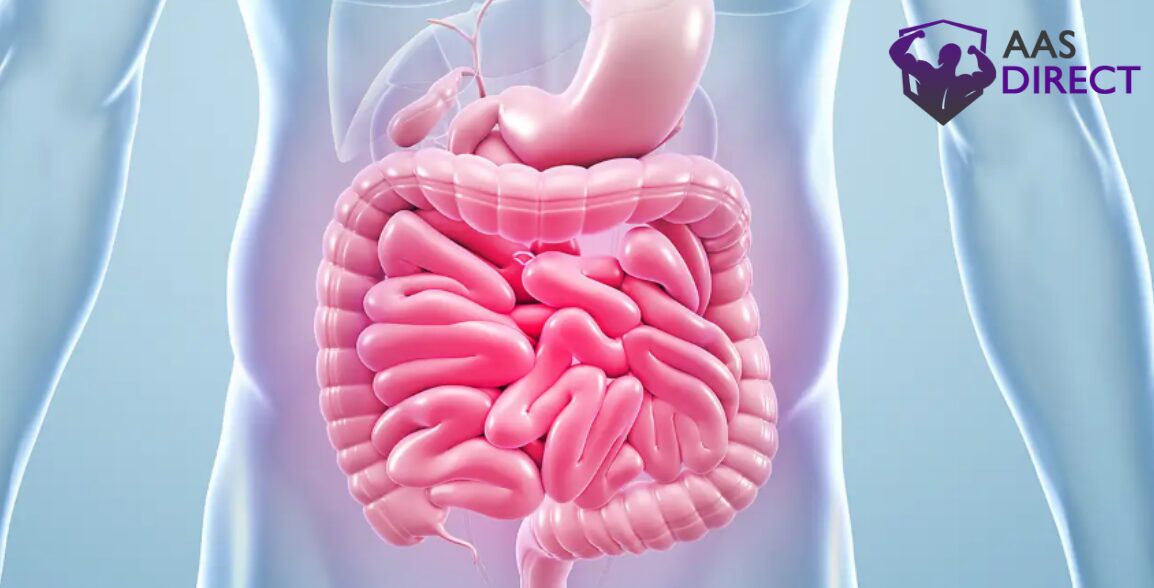
The intricate connection between gut health and hormone utilization often goes unrecognized, yet it profoundly impacts how effectively your body processes fat-soluble hormones. The way your digestive system breaks down dietary fats has a direct effect on how available hormones are.
To get the most out of this process, eat foods high in fiber that help good gut bacteria grow. These microbes help break down hormones and make them easier to absorb. Adding fermented foods like yogurt and sauerkraut to your diet can help your gut microbiome.
Think about taking probiotics and digestive enzymes to help your body break down fat better. Don’t forget that your liver’s ability to break down hormones depends on your gut health as well. If your digestion isn’t working properly, it can overload your liver’s detoxification pathways, which can throw off hormone regulation.
Drink plenty of water and limit your alcohol intake, as both of these things can make it harder for your gut to process hormones.
Strategic Supplementation and Timing for Maximum Benefits
Knowing when and how to take supplements can make fat-soluble hormones in your body work much better. To get the best results, take fat-soluble hormone supplements with meals that have dietary fats in them. It will help your body absorb them better. Taking supplements in the morning is usually the best way to control your metabolism, while taking them at night can help your body recover overnight.
Don’t forget to think about when you take your supplements in relation to your workout schedule. Some supplements can make your body’s natural hormone changes even stronger when you take them 30 to 60 minutes before working out. Your endocrine system works best when you do the same thing every day, so instead of taking high doses at random times, set up a regular supplement schedule.
Supplements should not replace healthy habits that naturally help balance hormones; they should only add to them. Regular testing will show you how your hormone receptors react, and you can change your approach based on what you find.
Lifestyle Factors That Impact Fat-Soluble Hormone Effectiveness
While your body’s natural production of fat-soluble hormones provides the foundation for ideal health, everyday lifestyle choices greatly amplify or diminish their effectiveness. Your sleep patterns directly influence cholesterol conversion into hormones, with consistent 7-9 hour cycles maximizing this process. Regular resistance training improves cellular signaling pathways that enhance hormone receptor sensitivity.
Chronic stress disrupts hormone-binding proteins, potentially leaving hormones inactive or unavailable. To counter this, incorporate daily stress management through meditation or breathing exercises. Enhance fat digestion by eating slowly and including bitter foods that stimulate bile production. Alcohol can impair liver function and hormone metabolism, so limit consumption to support your endocrine system.
These adjustments create an internal environment where fat-soluble hormones can function at their best.
Frequently Asked Questions
How Do Fat-Soluble Hormones Differ From Peptide Hormones?
Unlike peptide hormones that dissolve in water and bind to cell surface receptors, fat-soluble hormones can cross cell membranes easily, work inside cells, and need dietary fats for absorption and transport in your bloodstream.
Can Intermittent Fasting Boost Fat-Soluble Hormone Production?
Yes, intermittent fasting can boost your fat-soluble hormone production by increasing sensitivity to these hormones, optimizing testosterone levels, and enhancing growth hormone secretion when you maintain adequate healthy fat intake.
Are Hormone-Mimicking Environmental Toxins Affecting My Endocrine Balance?
Yes, every day, endocrine disruptors in plastics, pesticides, and personal care products can interfere with your hormonal balance. You’ll want to minimize exposure by choosing organic foods and chemical-free products whenever possible.
Do Cooking Methods Affect Hormonal Nutrients in Food?
Yes, cooking methods definitely affect the hormonal nutrients in food. High heat can destroy fat-soluble vitamins, while steaming and gentle cooking help preserve them. You’ll retain more hormone-supporting nutrients with lower-temperature cooking techniques.
How Quickly Can Hormone Levels Change With Dietary Modifications?
Hormone levels can respond to dietary changes within days to weeks. You’ll notice some shifts in 2-4 weeks, but the ideal balance typically takes 2-3 months of consistent nutritional modifications to stabilize fully.