



Poor timing, improper SERM dosages, omitting supportive supplements, poor nutrition, and inadequate health monitoring are examples of common PCT mistakes. Depending on steroid half-lives, starting PCT too soon or too late will hinder recovery. Instead of assuming that higher doses are more effective, adhere to established protocols.
To monitor hormone recovery, keep up a high-protein diet, support your liver, and get regular blood work. During the crucial post-cycle period, these tactics will assist you in protecting your hard-won gains.
Inaccurately Estimating PCT Timing
Perhaps the most important factor affecting the success of your recovery from post-cycle therapy is timing. A hormonal tug-of-war can result from starting PCT too soon while steroids are still active in your body, making your recovery compounds ineffective and possibly making suppression worse.
On the other hand, postponing PCT causes your body to remain in a low-testosterone state for an extended period of time, which raises your risk of depression, exhaustion, and muscle loss. The optimal PCT start time is determined by the particular half-life of each steroid. Shorter-acting substances require less time than testosterone enanthate, which requires roughly two weeks prior to starting PCT.
During the crucial transition back to natural hormone production, scheduling your PCT according to your unique cycle composition will significantly enhance testosterone recovery results and reduce undesirable side effects.

Inappropriate Recovery Medication Dosage
Many athletes misuse SERMs like Clomid and Nolvadex during PCT by following improper dosage guidelines, even though these drugs play a crucial role in hormonal recovery. Many users either underdose to extend their supply or take excessive amounts in the hopes of recovering more quickly, both of which compromise results.
Common dosage mistakes include tapering off Nolvadex too soon, which leaves you susceptible to estrogen rebound, or front-loading too aggressively, which can cause vision side effects with Clomid. Keep in mind that larger dosages frequently only result in more adverse effects rather than better results.
The best course of action is to adhere to established procedures and make adjustments in light of blood work monitoring. Frequent testing shows how your body reacts to drugs, enabling tailored modifications that maximize healing and reduce side effects. This evidence-based strategy is far better than relying solely on conjecture or unreliable sources for advice.
Neglecting the Value of Supplemental Support
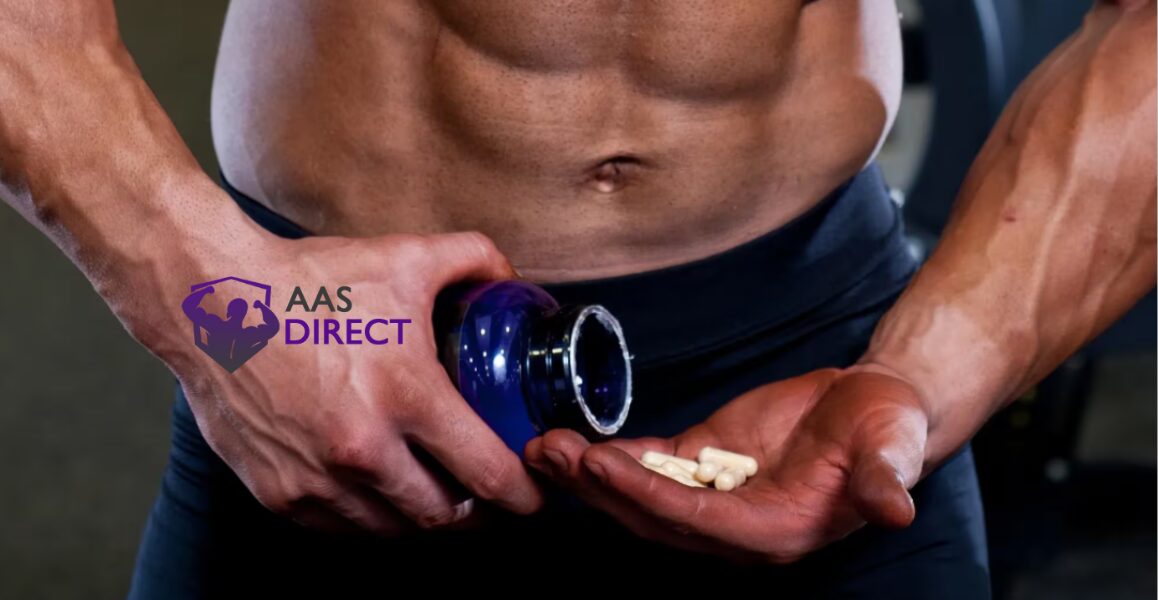
Many athletes ignore the cornerstone of recovery, supporting supplements that increase natural hormone production, in favor of concentrating only on PCT medications. SERM drugs are not enough to support your endocrine system.
Milk thistle and NAC supplements support liver health, which is critical for hormone metabolism and the removal of toxins that have accumulated during your cycle. In order to maximize testosterone production and reestablish hormonal balance, zinc, vitamin D, and magnesium work in concert.
Remember that adaptogens, such as ashwagandha, can lower cortisol levels and aid in the optimization of recovery. Natural supplements give your body the nutritional base it needs to heal properly, but they can’t take the place of appropriate PCT drugs like aromatase inhibitors or SERMs.
Combining these substances with prescription PCT can significantly enhance your long-term hormonal health and recovery results.

Disregarding Nutritional and Dietary Needs
Appropriate nutrition is one of the most important, yet often disregarded, components of PCT. Proper nutrition is crucial for sustaining gains and promoting hormonal balance during the recovery phase that follows a steroid cycle. To maintain muscle mass and support hormone production, you will need to consume more protein (1.5-2g per pound of bodyweight) and healthy fats.
The timing of carbohydrates becomes crucial for energy levels and recovery. During this time, skimping on nutrition can reduce the effectiveness of PCT and cause needless muscle loss. Furthermore, certain micronutrients, such as zinc, magnesium, and vitamin D, aid in the regulation of estrogen and promote the body’s natural production of testosterone.
Keep in mind that one of the most important lifestyle choices that has a direct effect on your recuperation is your diet. Don’t spend time and money on PCT compounds only to ruin the results with bad food choices.
Ignoring Continual Health Monitoring in the course of PCT
Along with proper nutrition, many people often overlook health monitoring as a key part of effective PCT. Without monitoring their bodies’ reactions, many users give SERMs and HCG, missing important warning indicators that could call for protocol modifications.
Prior to the start of the cycle, you should have your baseline blood work done. Follow-up testing should take place four to six weeks into PCT. It indicates whether additional intervention is required or if your hormones are appropriately rebounding. Monitoring is crucial for figuring out whether your PCT duration is adequate because cycle timing has a direct impact on recovery patterns.
Never assume that a one-size-fits-all strategy will work. It might be necessary to modify SERM dosages or HCG administration schedules to account for your particular physiological response. Frequent monitoring enables prompt adjustments before issues worsen by identifying possible liver stress, cholesterol imbalances, and testosterone recovery rates.
Frequently Asked Questions
After Using SARMS, Is PCT Required?
Yes, since SARMs inhibit your natural testosterone production, you will require PCT after taking them. Since each compound has a different level of suppression, adjust your PCT to your unique SARM and cycle duration.
What Effects Do Various Steroids Have on PCT Needs?
Depending on their suppression level and half-life, various steroids affect PCT requirements. While milder steroids like Anavar may require less rigorous recovery protocols, compounds like Deca or Trenbolone will require longer PCT.
Can Natural Testosterone Boosters replace Pharmaceutical PCT?
No, natural boosters cannot replace pharmaceutical PCT. After using steroids, you’ll need to take the right drugs, such as Clomid or Nolvadex, to restore your hormonal function properly. In contrast, the benefits of natural supplements are negligible.
Should I Keep Up My Vigorous Training During PCT?
During PCT, keep your training intensity moderate. Maintaining muscle requires sufficient stimulation, but avoiding overtraining could strain your healing hormones and possibly reduce testosterone production.
After PCT, how long does it take for hormone levels to recover fully?
After finishing PCT, you should expect a full hormone recovery in one to four months, depending on your cycle length, the compounds you used, and other personal factors. When you’ve reached your natural baseline again, routine blood work will confirm it.