


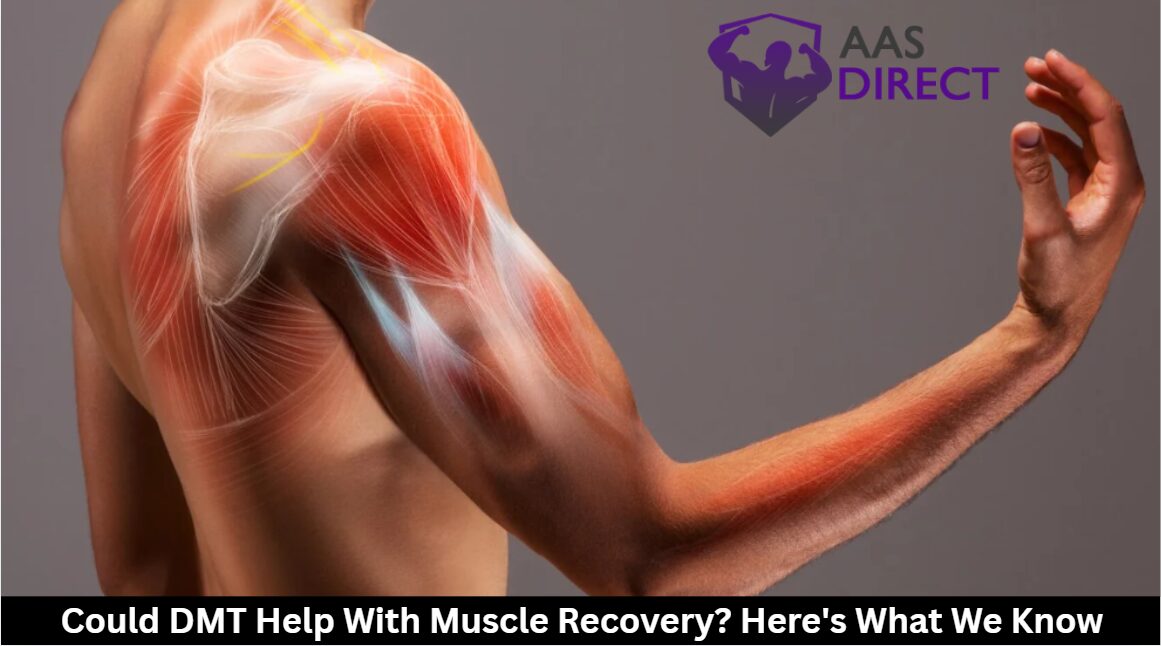
DMT has some promising theoretical potential for helping muscles recover because it can reduce inflammation, activate cellular regeneration pathways, and control hormones. It may help balance the body’s inflammatory responses, boost protein synthesis, and improve hormone production, all of which are important for healing damage caused by exercise. But research is still limited because the samples are small and the protocols are not standardized.
DMT operates distinctively from conventional recovery techniques; however, significant clinical validation in athletic settings remains insufficient. The convergence of neurobiology and physical recovery offers compelling prospects for athletes.
The Science Behind DMT’s Ability to Reduce Inflammation
Although still emerging in scientific literature, DMT’s potential anti-inflammatory effects may elucidate its significance in muscle recovery. Dimethyltryptamine seems to change how the body responds to inflammation by affecting sigma-1 receptors, which are important for protecting cells.
When you work out hard, your body goes through microtrauma that causes inflammation, which is a normal but sometimes too strong response. Studies show that DMT may help control cytokines, which are proteins that send signals to start inflammatory responses. DMT could optimize the inflammatory process by potentially balancing these chemical messengers instead of completely stopping it.
Also, early research suggests that DMT may help with oxidative stress, which is another important cause of slow muscle recovery. This antioxidant-like property helps eliminate free radicals produced during intense workouts, speeding up muscle repair and reducing recovery time.
DMT and the pathways for cellular regeneration
DMT’s effects on cellular regeneration are one of its most interesting possible benefits for muscle recovery, in addition to its anti-inflammatory effects. Studies indicate that DMT may engage neural pathways that expedite tissue repair by promoting protein synthesis and satellite cell activation, essential elements of muscle recovery.
Your body goes through a process of rebuilding damaged muscle fibers when you work out hard. DMT might speed up this process by making mitochondria work better and making cells more resistant to oxidative stress. Inflammation is a normal part of healing, but DMT’s ability to change this response could make healing happen faster.
Current recovery plans don’t often take these cellular processes into account, but new research suggests that DMT may help your body heal itself more quickly.
Hormonal Regulation Effects for Athletic Recovery
Most recovery methods focus on repairing tissue, but DMT’s effect on hormones may give athletes a big edge in recovery. Initial studies indicate that regulated microdosing may enhance hormone production, facilitating expedited recovery from exercise-related injuries.
Your central nervous system controls these hormonal responses, and DMT may make this communication network better. It seems that the compound affects important neurotransmitters that control cortisol and growth hormone levels, both of which are very important for figuring out how quickly you will recover.
There aren’t many studies on this yet, but some athletes say that following controlled DMT protocols has helped their hormones get back in balance, especially when they eat well and get enough sleep. This balance might help your body shift more efficiently between breakdown and rebuilding phases, potentially shortening recovery windows between intense training sessions.

DMT vs. Traditional Muscle Recovery Methods
When you compare DMT to more common ways to help muscles recover, there are a few important differences that you should think about. Traditional methods like ice baths, massage, and anti-inflammatory drugs work directly on the body to help it heal. DMT, on the other hand, may work through neurochemical pathways that affect muscle repair in a more indirect way.
Traditional methods only treat inflammation in one area, but DMT may change your body’s overall inflammatory response. Your usual recovery methods, like compression and active recovery, mostly work on getting rid of waste and improving blood flow.
DMT, on the other hand, could improve sleep quality, which is something that many athletes don’t think about.
Also, supplements like protein and BCAAs help muscles heal, but DMT might change how you feel about being tired, which could let you change your training schedule. However, in athletic settings, DMT does not have strong clinical support like other recovery methods do.
Limitations of Current Research and Prospective Studies
Even though more and more people are interested in DMT’s possible benefits for muscle recovery, current research has many flaws that make it hard to draw firm conclusions. Most studies use small sample sizes and lack standardized protocols needed to validate their effects on athletic performance or physical rehabilitation.
You should think about that research because there isn’t much of it that looks at how DMT affects endorphins and recovery biomarkers. Subsequent research should examine accurate dosing, timing in relation to exercise, and possible interactions with standard recovery techniques.
Researchers focused on creating controlled trials that can distinguish between the psychological effects of DMT and its physiological influence on performance enhancement. Until more studies with athletes come out, you should be scientifically skeptical of claims that DMT helps with recovery.
Still, you should also be open to the interesting theoretical mechanisms that need more research.
Frequently Asked Questions
How soon can you see the effects of DMT in recovery timelines?
Because DMT works quickly on inflammation and neural pathways, you would probably notice its possible effects on recovery within a few hours. But there isn’t a lot of scientific evidence, and the results are very different for each person.
Does DMT have any effects on common supplements that athletes take?
Supplements that change serotonin levels, like tryptophan or 5-HTP, may have an effect on DMT. You shouldn’t mix it with MAO inhibitors, and you should talk to a doctor about how it might affect the supplements you’re taking.
Can microdosing DMT help with recovery without making you feel high?
Microdosing DMT might help with recovery in small ways without causing full psychedelic effects, but there isn’t much research on this. You’ll need to weigh potential anti-inflammatory properties against legal risks and uncertain outcomes in athletic performance.
How could DMT affect the recovery needs of different sports in different ways?
DMT’s effects may vary across sports: you’ll likely experience different benefits for endurance recovery versus power sports, as it could impact inflammation pathways, neural fatigue, and sleep quality based on your sport’s specific demands.
Are There Specific Injuries Where DMT Shows More Promising Results?
Current research doesn’t identify specific injuries where DMT shows more promising results. You’ll need to wait for targeted studies examining DMT’s effects on different injury types before concluding selective benefits.