



Cannabis reduces nausea and vomiting during chemotherapy by influencing how the brain regulates these reflexes. Clinical studies show that about 70% of patients feel better when they take THC or CBD, which work in different ways to reduce the severity and frequency of nausea.
Depending on what you’re feeling, you can choose between quick-acting inhalation methods and longer-lasting edibles. Talk to your oncologist about the legal issues and how cannabis might work with your current treatment plan before you start.
Nausea and Vomiting Caused by Chemotherapy
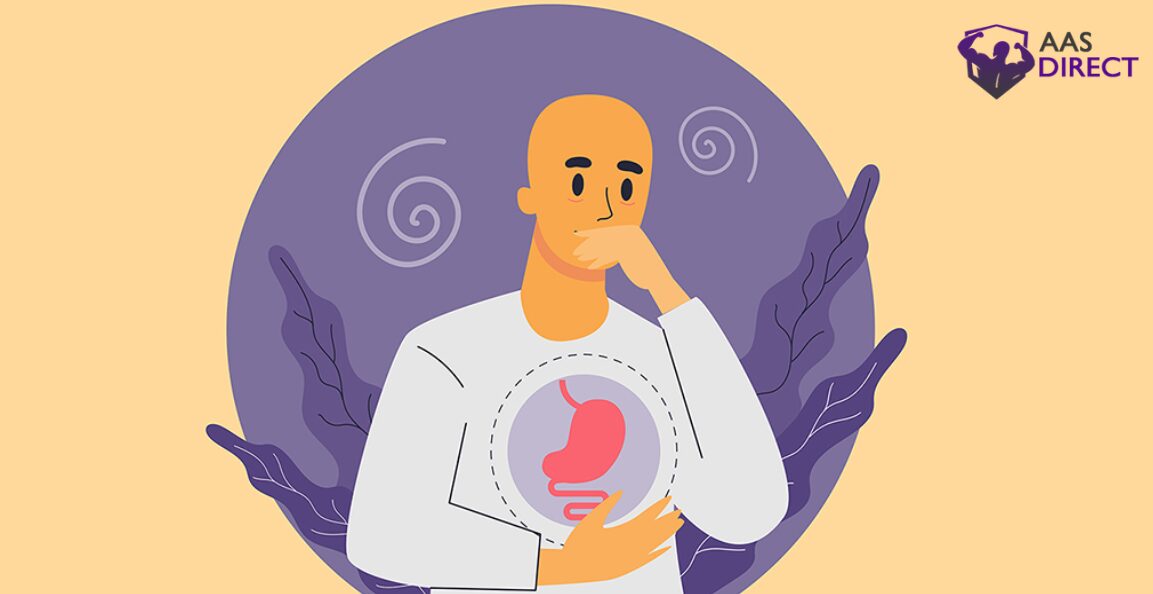
Chemotherapy remains a key cancer treatment, though it often leads to intense nausea and vomiting. Chemotherapy drugs do this by stimulating the chemoreceptor trigger zone in your brain and damaging the cells that line your digestive tract. It sends signals that make you vomit.
Traditional antiemetic drugs don’t work well enough for many patients, which has led to interest in using cannabis as an additional treatment. The chemicals in the plant affect receptors in your brain and gut that control how you feel nauseous. Studies show that cannabis can help with nausea when other treatments don’t work.
As patient care changes, knowing how chemotherapy makes people sick helps doctors make better treatment plans that might include cannabis-based treatments along with standard ones.
How Cannabinoids Affect the Body’s Response to Nausea
Cannabinoids ease chemotherapy-related nausea and vomiting by acting on a specific biological system in the body. There are receptors for the endocannabinoid system all over your body, including in your digestive tract and brain stem, which is where nausea signals start and are processed.
THC turns on CB1 receptors in the part of your brain that makes you throw up, which stops the nausea response. CBD boosts your body’s natural cannabinoids and reduces anxiety, which often triggers nausea.
These compounds work together to relieve symptoms in a way that many patients find more effective than just using traditional treatments. When looking into cannabis to help with nausea, you’ll find a number of different treatment options that have different THC to CBD ratios.
Some patients respond more favourably to THC-dominant products, whereas others derive optimal benefits from balanced formulations that reduce psychoactive effects while enhancing therapeutic potential.
Clinical Evidence Supporting Cannabis for CINV Management
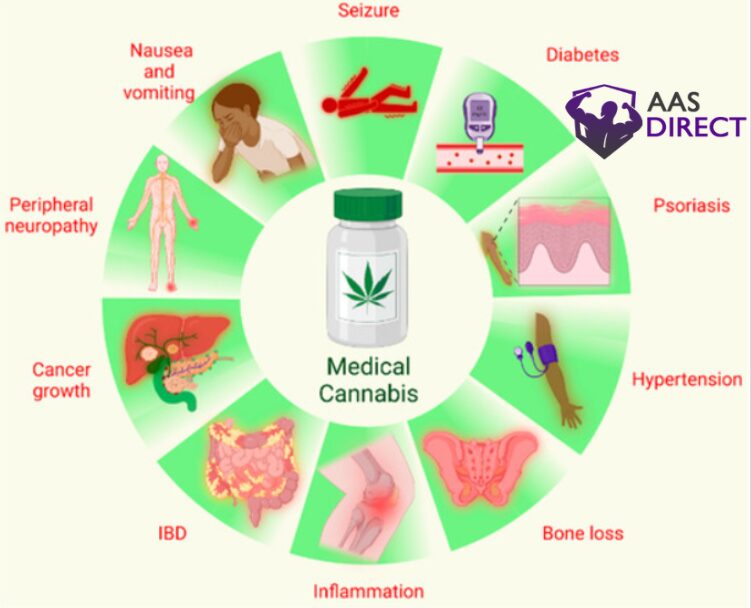
There have been anecdotal reports for decades, but a lot of clinical research now shows that cannabis is a good way to treat nausea and vomiting caused by chemotherapy (CINV). Several clinical studies have shown that the THC and CBD in medical marijuana can make nausea much less severe and less frequent during treatment.
A study from the Journal of Clinical Oncology discovered that standardised cannabis extracts offered superior relief from nausea compared to a placebo, achieving optimal results at moderate dosage levels. A 2018 meta-analysis reported that about 70% of patients experienced major symptom relief after undergoing cannabinoid treatment. These benefits often happen even when regular antiemetics don’t work, which is important.
The most convincing proof shows that THC-dominant products work best for short-term symptoms, while balanced THC and CBD ratio products may work better for long-term relief with fewer psychoactive effects.
Different Ways to Use Cannabis to Relieve Symptoms
Finding the right way to use cannabis can make a big difference in how well it helps with the side effects of chemotherapy. Vaping or smoking are examples of inhalation methods that work quickly, usually within minutes, but their effects only last for 2 to 3 hours. This method works well for sudden bouts of nausea.
Think about edibles or oils if you want effects that last longer. It can take up to 90 minutes for edibles to work, but they can last for 4 to 8 hours. Cannabis oils put under your tongue are a good middle ground: they work faster than edibles but last longer than smoking.
When choosing a treatment, consider its possible side effects, how quickly it takes effect, and how long its benefits last. Edibles can be hard to dose correctly, and smoking can make your lungs feel bad. Talk to your doctor about these ways to use cannabis to find out which one is safest for you during your treatment.
Talking to Your Oncologist About Cannabis and the Law
Before you can use cannabis as part of your cancer treatment plan, you will need to figure out the complicated laws that are very different in different places. Some places allow cannabis use only for managing symptoms like pain and increasing appetite, while others have strict rules against it.
When you talk to your oncologist about cannabis, be ready with specific questions about how it could help your treatment. A lot of doctors know that cannabis can help with inflammation and anxiety. Find out if tinctures or other forms might work for you.
Bring proof of your state’s laws to your appointment. Many doctors are still hesitant to recommend cannabis because of federal rules. Keep in mind that your medical team is most concerned with your health, so it’s important to be open and honest about all the treatments you’re thinking about.
Frequently Asked Questions
How long before chemotherapy should I use cannabis to keep it from happening?
You should usually smoke cannabis 1 to 2 hours before your chemotherapy session. Talk to your oncologist about the best times for you to take cannabis based on your treatment plan and how you plan to take it.
Does cannabis affect how well my chemotherapy works?
Cannabis doesn’t seem to make chemotherapy less effective, according to current research. You should always talk to your oncologist about your cannabis use, though, because different medications and types of cancer may interact in different ways.
Will my insurance pay for medical marijuana for CINV?
Even with a prescription, most insurance plans won’t pay for medical marijuana to help with nausea and vomiting caused by chemotherapy. Even though this treatment option may help, you’ll probably have to pay for it yourself.
How do I keep cannabis products safe around kids?
Keep all cannabis products in containers that are safe for kids, locked cabinets, or safes. Don’t let them see or touch them. Do not put them with food or candy. Always keep the original packaging with the warning labels.
What are some non-psychoactive options for use at work or during the day?
Cannabis tinctures, CBD products, and strains with low THC won’t get you high at work. You can use CBD oils, capsules, or patches to help with your symptoms while still being awake and able to do your daily tasks.