



Cannabis affects sleep by changing the way your endocannabinoid system controls your sleep-wake cycles. THC makes it easier to fall asleep faster, but it also stops REM sleep and dreams. CBD, on the other hand, makes you more relaxed and keeps your usual sleep architecture. Dosage and timing are very important. Lower dosages usually help you sleep better, while greater ones can make it harder to sleep.
Over time, long-term use can change how well you sleep as your body becomes used to it. Your individual biology controls how cannabis distinctly affects your sleep.
The Endocannabinoid System and Sleep Regulation
The endocannabinoid system (ECS) is very important for keeping your sleep-wake cycle in check. This complicated network of receptors all over your body interacts with both naturally occurring endocannabinoids and cannabinoids from plants, including cannabis, to change the way you sleep and your circadian rhythms.
When you smoke marijuana, chemicals like THC attach to CB1 receptors in your brain, which changes the way you sleep. This interaction can change how well you sleep by changing how quickly you fall asleep and how long you spend in each stage of sleep. Studies have shown that cannabis can make some people sleep more deeply and have less REM sleep.
Your ECS keeps sleep regulation in a delicate balance, which is why the effects of cannabis can be very different from person to person and depend on the dose, time, and type of cannabinoid you take.

Different Effects of THC and CBD on Sleep Architecture
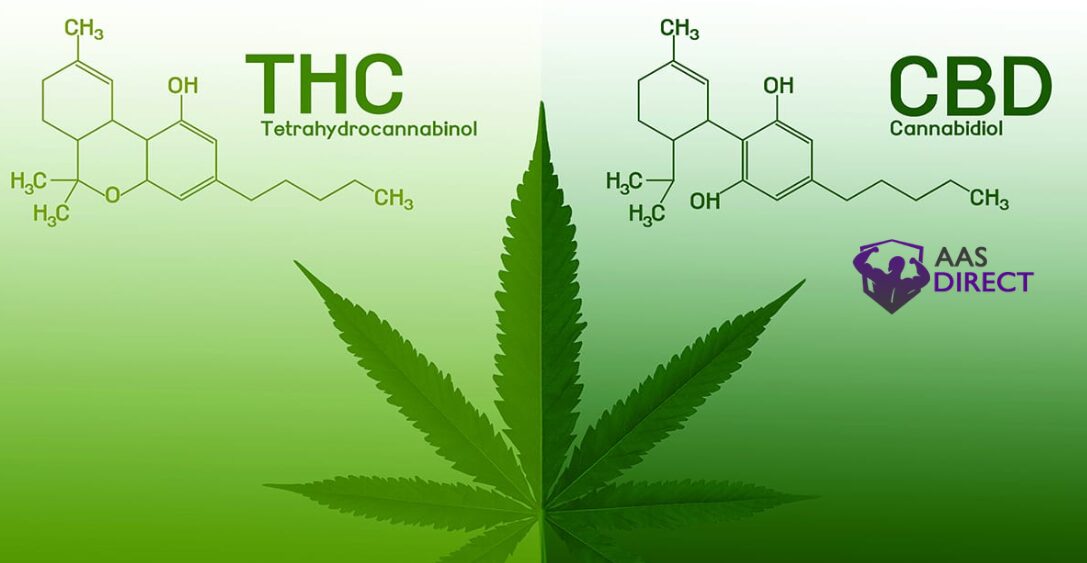
Both THC and CBD come from the cannabis plant, yet they have quite distinct effects on how you sleep. THC usually makes it easier to fall asleep, but it also stops REM sleep, which could make dreams less active and change the quality of sleep overall. You might have fewer dreams, but you might not feel as rested when you wake up.
CBD, on the other hand, doesn’t give you the “high” that THC does. Instead, it relaxes you a lot, which can help with anxiety-related insomnia. It keeps the usual structure of sleep while possibly lengthening the deep sleep stages that are important for physical recovery. When used jointly, CBD may also stop THC from stopping REM sleep.
Critical Factors in Cannabis-Sleep Outcomes
Dosage, timing, and how sensitive you are to cannabis are the three most important things that will affect whether it will help or hurt your sleep. Lower dosages usually help people relax, but higher levels can make sleep worse, even though they make you sleepy at first. For maximum benefits, use it at night 1–2 hours before bed so that the effects are strongest as you’re getting ready for bed.
The effect of your dosage on you depends a lot on how tolerant you are and how your body works. What works for one person’s insomnia could make another person anxious. When using cannabis to treat sleep problems, start with small quantities and adjust them as needed based on how you feel.
To find the best regimen for you, keep track of how long and how well you sleep. Also, keep in mind that when you take it can affect your natural sleep-wake cycle, so taking it in the morning or afternoon may not help you sleep better.
Long-Term Use of Cannabis and Sleep Quality
Using cannabis regularly and for a long time has a complicated effect on sleep that changes over time. You might notice that your sleep latency and anxiety go down at first, but your body will slowly get used to the effects of cannabis, which could throw off your normal circadian cycle.
Studies reveal that THC and CBD have quite different impacts in the long run. Using THC every day may gradually stop REM sleep, which could make dreams less active and disrupt memory consolidation. CBD, on the other hand, might offer greater long-lasting advantages without the same tolerance buildup.
Many users report brief insomnia and vivid nightmares when they stop using it, which are examples of rebound effects. Your body’s response will depend on how much you eat, the ratios of cannabinoids, and how your body works. Using THC and CBD-dominant medicines in a rotating or intermittent way may assist in keeping the therapeutic effects while lowering tolerance.
Individual Differences and Uses in Therapy
Your endocannabinoid system is different from everyone else’s, so how cannabis affects your sleep may be extremely different from how it affects someone else’s. Your metabolism, how often you’ve used cannabis before, and how you usually sleep all play a role in how cannabinoids change your sleep architecture.
Some people say that cannabis helps them sleep better, while others say that it makes them dream less and have less REM sleep. These differences are caused by how cannabinoids work with distinct neurotransmitters in your brain. Cannabis may be able to aid with sleep disorders, but each person’s needs are different. For example, what works for persistent insomnia may not work for sleep apnea.
To discover the right balance for you, you’ll need to try out different strains, ratios, and doses. You might want to keep track of how well you sleep and when you sleep to see which cannabis products really help you sleep better.