


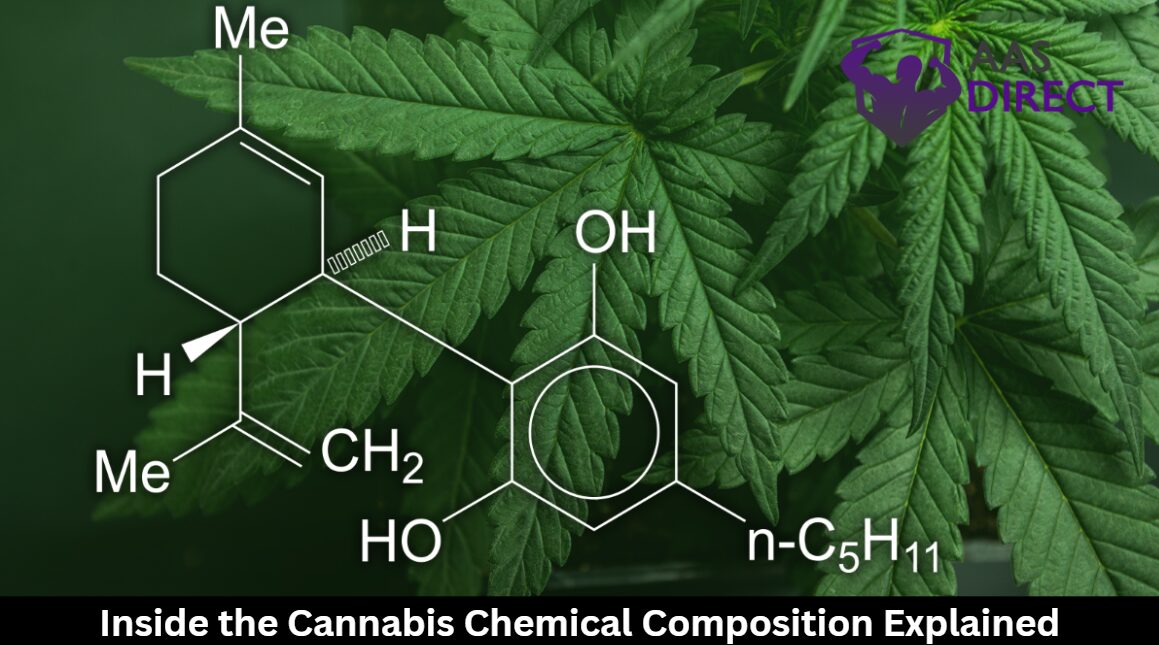
Cannabis contains over 400 chemical compounds, with THC providing the “high” and CBD offering non-intoxicating therapeutic benefits. These cannabinoids work alongside terpenes (aromatic molecules) and flavonoids (colorful antioxidants) to create the “entourage effect,” where compounds enhance each other’s properties.
The ratio of these chemicals determines each strain’s unique effects and medical benefits. Understanding this complex chemistry helps you select products that’ll deliver your desired experience.
THC, CBD, and Lesser-Known Cannabinoids
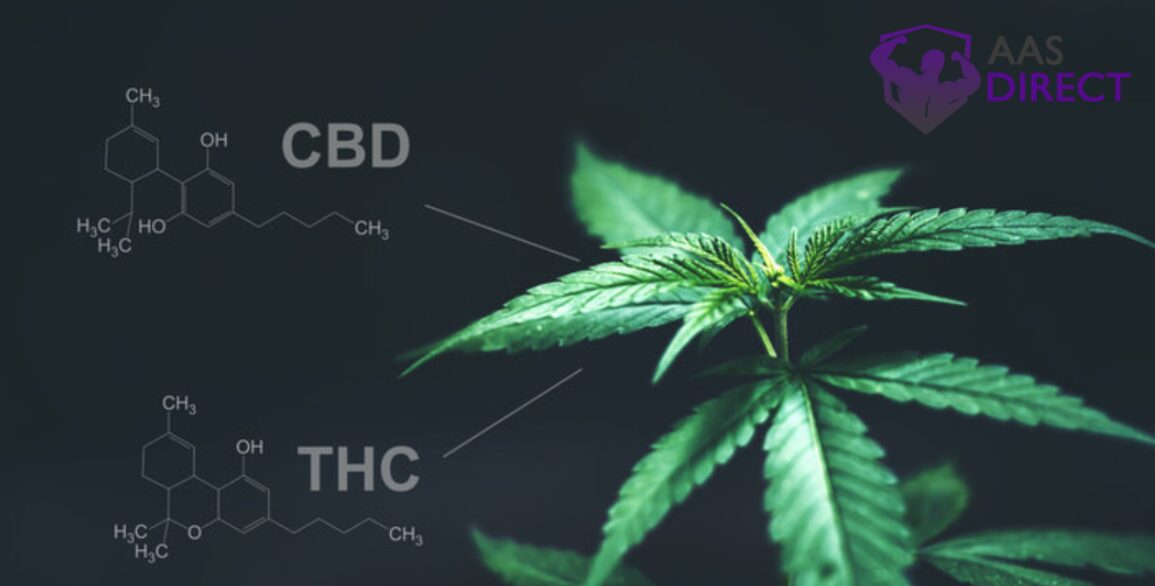
While most casual users recognize THC and CBD, cannabis contains over 100 distinct cannabinoids that interact with the human endocannabinoid system. THC (tetrahydrocannabinol) delivers the characteristic “high” through its psychoactive properties, while CBD (cannabidiol) offers therapeutic benefits without intoxication.
The potency and effects you’ll experience depend largely on cannabinoid ratios within a particular strain. Understanding the psychoactive vs non-psychoactive properties helps you select products aligned with your desired outcomes.
Beyond the headline compounds, minor cannabinoids like CBG, CBN, and THCV contribute subtle yet significant effects to the overall experience.
Each cannabinoid offers unique properties, creating a complex chemical profile that makes each cannabis variety distinctive.
The Aromatic Molecules Behind Flavor and Effects
Beyond cannabinoids, terpenes represent the second major group of active compounds in cannabis, responsible for the distinctive aromas that differentiate strains from sweet and fruity to earthy and pungent.
These aromatic molecules aren’t just about smell. They directly influence your experience through the entourage effect, working synergistically with cannabinoids to enhance or modify their effects.
Cannabis contains over 100 different terpenes, each with unique therapeutic properties. Myrcene promotes relaxation, limonene may elevate mood, and pinene could improve alertness and memory. When you detect citrus notes in your strain, that’s likely limonene at work.
The spicy, peppery aroma? Thank caryophyllene. Understanding terpene profiles helps you select strains that deliver specific benefits beyond THC or CBD content alone.
Flavonoids and Secondary Cannabis Compounds
Though often overshadowed by cannabinoids and terpenes, flavonoids constitute approximately 10% of the known compounds in cannabis, making them the third largest group of active constituents. These pigment molecules contribute to the plant’s vibrant colors and possess significant antioxidant properties.
When combined with cannabinoid profiles and terpene diversity, flavonoids create a complex synergy that modifies psychoactive effects and potential therapeutic benefits. Cannabis contains both common flavonoids (quercetin and kaempferol) and cannaflavins that are unique to the plant.
Recent advances in extraction and analysis have improved our ability to isolate and study these compounds. As research expands, you’ll likely see more cannabis products standardized not just for THC or CBD, but for their complete flavonoid composition as well.
The Cannabis Entourage Effect
Despite its popularity in cannabis science, researchers didn’t widely recognize the entourage effect until the late 1990s. During that time, they observed that whole-plant extracts often produced more beneficial outcomes than isolated compounds alone.
This phenomenon explains why full-spectrum cannabis products typically deliver more robust effects than pure THC or CBD isolates.
When you consume cannabis, hundreds of compounds, including cannabinoids and terpenes, work synergistically in your body. For example, CBD can moderate THC’s psychoactive effects while enhancing its pain-relieving properties. Meanwhile, terpenes like myrcene may increase the permeability of cell membranes, allowing cannabinoids to be absorbed more effectively.
This complex interplay creates a unique therapeutic profile that’s greater than the sum of its individual parts. It is something you’ll miss with isolated compounds.
Medical Benefits and Recreational Effects of Cannabis
The intricate chemical symphony that creates the entourage effect directly shapes cannabis’s real-world applications across both medical and recreational contexts. When you consume cannabis, THC delivers psychoactive effects while CBD offers therapeutic benefits without intoxication. Their ratio dramatically influences your experience.
Potency isn’t just about THC percentage; it’s how compounds interact. For medical users, specific cannabinoid-terpene combinations target conditions like chronic pain, epilepsy, and anxiety with greater efficacy than isolated compounds. Recreational users often seek particular experiences, driven by these same chemical interactions.
Understanding this chemistry empowers you to select products aligned with your goals. A high-myrcene, moderate-THC strain might provide pain relief with mild euphoria, while a limonene-rich variety could lift your mood without sedation.