


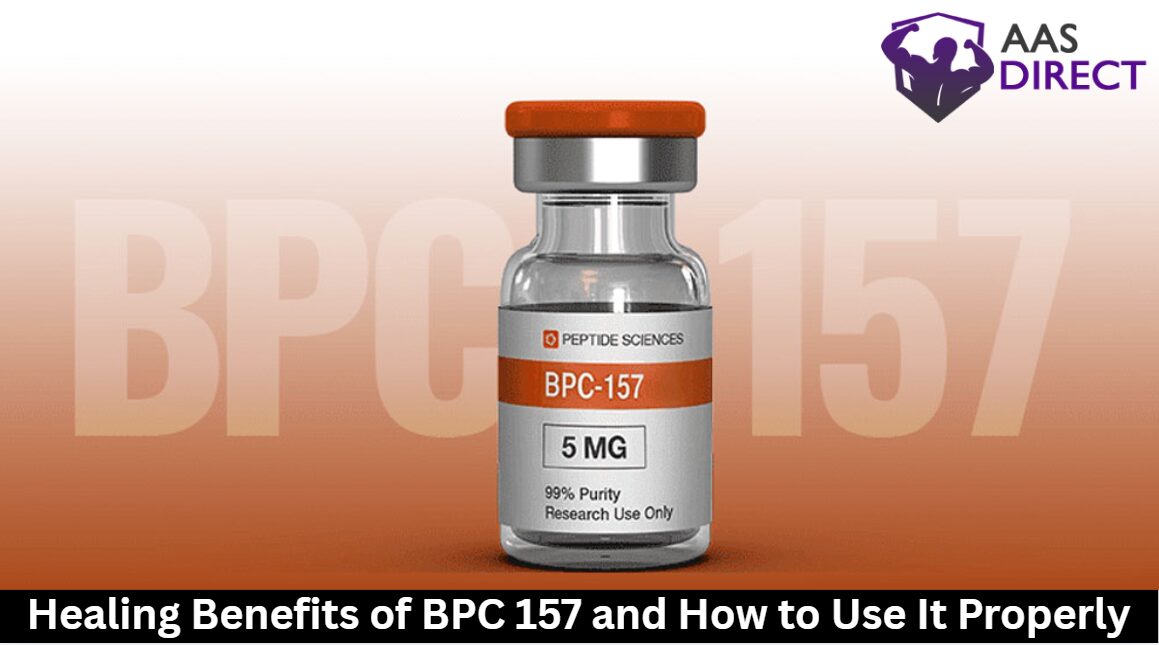
BPC 157 is a synthetic peptide that accelerates healing by stimulating collagen synthesis, promoting new blood vessel formation, and reducing inflammation. You’ll benefit from enhanced recovery for muscle injuries, tendon tears, and gut issues like inflammatory bowel disease.
For proper use, inject 250-500 micrograms subcutaneously twice daily with 12-hour intervals, rotating injection sites to prevent irritation. While side effects are minimal, you should verify third-party tested products and consider cancer screening due to angiogenesis effects. Understanding the complete protocol will optimize your healing results.
What Is BPC 157? Understanding This Healing Peptide
Healing, one of the body’s most fundamental processes, gets a remarkable boost from BPC-157, a synthetic peptide that’s revolutionizing how we approach tissue repair. You’re basically working with a laboratory-created version of a protein naturally found in your gastric juice, which gives it exceptional stability and healing properties.
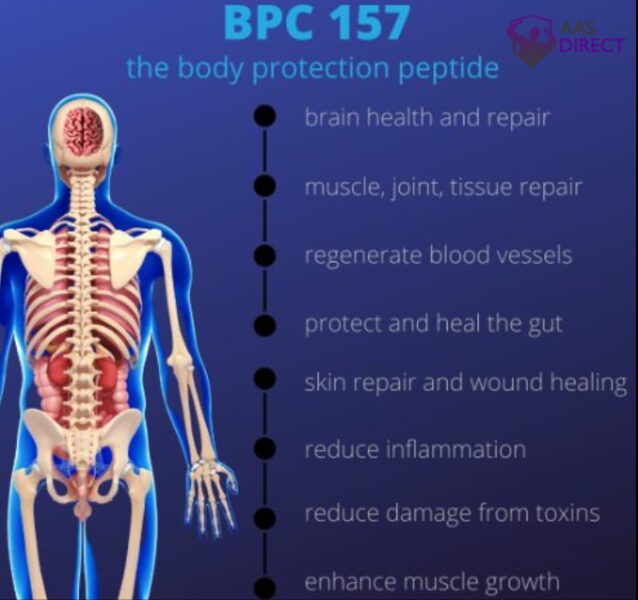
BPC-157 works by accelerating collagen synthesis, the building blocks your body needs for strong tendons, muscles, and ligaments. It stimulates the release of growth factors that guide your cells toward faster recovery while simultaneously reducing harmful inflammation that typically slows healing.
What makes this peptide unique is its systemic effect. You don’t need to inject it directly at your injury site. Whether you’re dealing with chronic tendonitis or digestive issues, BPC-157 promotes repair throughout your entire system.
How BPC 157 Works
When your body encounters an injury, BPC-157 triggers a cascade of cellular events that fundamentally change how tissues rebuild themselves.
The peptide stimulates angiogenesis, creating new blood vessels that deliver essential nutrients to damaged areas with poor circulation. It activates fibroblasts, the cells responsible for producing collagen and forming the structural framework needed for tissue repair.
BPC-157 works through the nitric oxide pathway, reducing inflammation while promoting healing. This mechanism is particularly effective for tendinopathy, where chronic inflammation prevents proper recovery. The peptide provides cytoprotection, shielding healthy cells from further damage during the healing process.
Unlike traditional treatments that simply mask symptoms, BPC-157 addresses the root cause by enhancing your body’s natural repair mechanisms, accelerating recovery times considerably.

Proven Benefits For Muscle, Tendon, And Gut Health
Athletes and individuals suffering from chronic injuries have documented remarkable recoveries using BPC-157 across three primary areas of the body.
For muscle and tendon repair, the peptide stimulates endothelial cells to trigger angiogenesis, bringing oxygen-rich blood to damaged soft tissue. This enhanced circulation accelerates healing in rotator cuff tears, Achilles tendon injuries, and ligament strains that typically heal slowly due to poor blood supply.
The peptide’s oral bioavailability makes it particularly effective for gastrointestinal healing. You’ll find BPC-157 repairs intestinal lining damage from inflammatory bowel disease, reduces stomach ulcers, and restores gut barrier function.
Unlike topical treatments, it works systemically. An injection in your abdomen can still benefit a distant ankle injury, making it uniquely versatile for extensive tissue repair.
Safe Usage: Proper Dosing And Injection Techniques
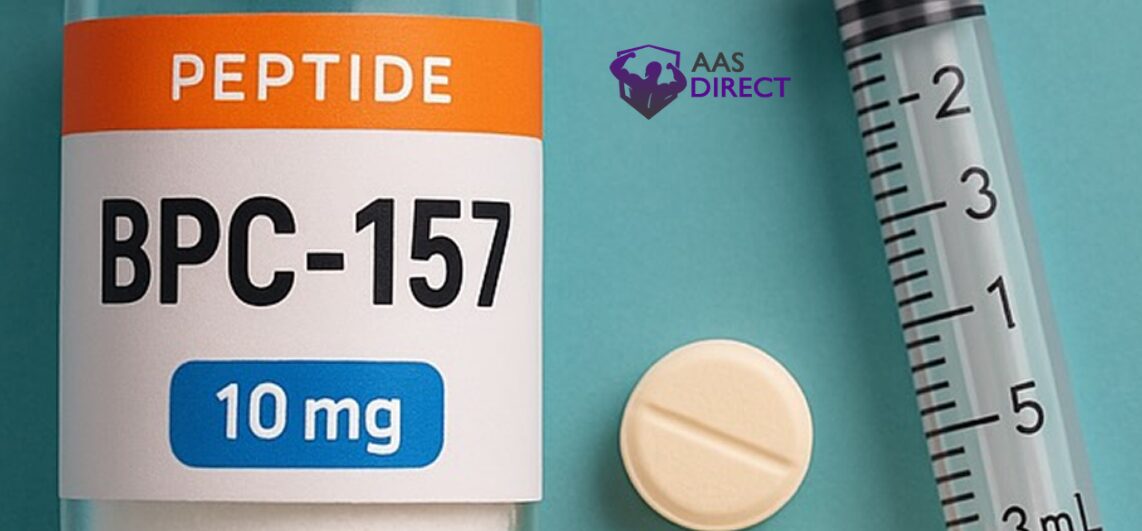
Three critical factors determine BPC-157’s effectiveness: dosage precision, injection technique, and timing protocols. You’ll typically use 250-500 microgram doses twice daily, administered subcutaneous for ideal bioavailability. This stable gastric pentadecapeptide requires careful reconstitution with bacteriostatic water. Add liquid slowly down the vial’s side to prevent peptide degradation.
For the injection technique, rotate sites to prevent tissue irritation. Clean boththe vial and skin with alcohol swabs, then inject at a 45-degree angle into fatty tissue. Common sites include the abdomen, thigh, or near the injury location.
Timing matters considerably. Maintain consistent 12-hour intervals between doses to support your body’s natural homeostasis. Cycle lengths typically range from 4 to 12 weeks, depending on injury severity. Store reconstituted peptide refrigerated and use within 30 days for maximum potency.
Avoiding Risks: Side Effects And Quality Considerations
While BPC-157 demonstrates an exceptional safety profile compared to traditional pharmaceuticals, you’ll still need to understand potential risks and prioritize peptide quality to maximize benefits while minimizing complications.
Most users experience minimal side effects, with injection site irritation being the most common. Some report mild nausea or temporary fatigue during initial doses. However, theoretical concerns exist regarding angiogenesis promotion in individuals with undiagnosed malignancies, making cancer screening advisable before starting.
Quality control represents your biggest risk factor. This pentadecapeptide requires third-party testing verification to guarantee purity and potency. Contaminated products can cause infections or unexpected reactions. Always source from reputable suppliers providing certificates of analysis.
Proper preparation using bacteriostatic water and sterile technique prevents contamination. Store reconstituted peptides refrigerated and discard after the recommended timeframes to maintain safety and effectiveness.