


When you quit cannabis, your brain scrambles to rebalance itself after adapting to THC’s presence. Your endocannabinoid receptors have downregulated, which disrupts mood-regulating neurotransmitters like dopamine and serotonin.
This chemical imbalance floods your system with stress signals while stripping away the calming responses you’ve relied on. Sleep disturbances then pile on, making anxiety feel even more overwhelming.
What Actually Happens in Your Brain When You Quit Cannabis?
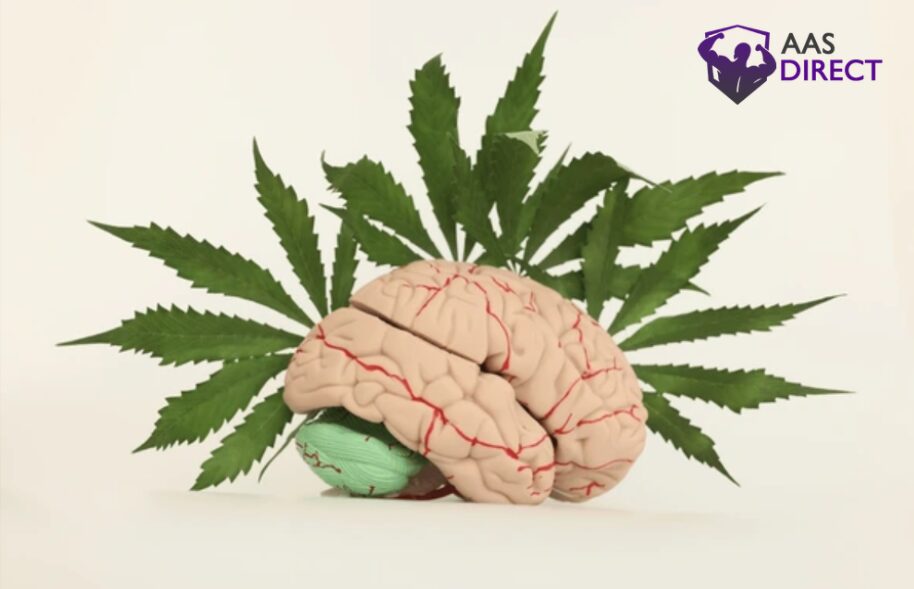
When you regularly use cannabis, your brain adapts to the presence of THC by downregulating its natural endocannabinoid receptors. Fundamentally, producing fewer of them makes the existing ones less responsive. Once you stop, your endocannabinoid system struggles to maintain balance without external THC support.
This disruption directly affects neurotransmitters responsible for mood regulation, including dopamine and serotonin. Your brain’s stress-response circuits become hyperactive during this adjustment period, which is why anxiety surfaces so prominently in cannabis withdrawal syndrome.
You’re basically experiencing your brain recalibrating after a prolonged chemical dependency. The process isn’t immediate, and during that window, emotional instability, heightened stress sensitivity, and persistent anxiety reflect your brain actively working to restore its natural equilibrium.
Why Cannabis Withdrawal Triggers Anxiety So Intensely
The intensity of anxiety during cannabis withdrawal stems from a specific chain reaction in your brain’s chemistry. When you’ve built tolerance and dependence on cannabis, your endocannabinoid system stops regulating stress responses efficiently on its own.
Once you quit, that system scrambles to rebalance, leaving your brain temporarily flooded with stress signals and starved of calming neurotransmitters.
Your anxiety spikes because your brain genuinely can’t self-regulate the way it once could, at least not yet. Withdrawal also disrupts sleep, and sleep disturbances make everything worse. Poor rest amplifies emotional reactivity, lowers your stress threshold, and keeps your nervous system in a heightened state.
So you’re dealing with chemical imbalance and exhaustion simultaneously. These are two powerful forces that make anxiety feel nearly impossible to manage.
The Physical Symptoms That Make Cannabis Withdrawal Anxiety Worse
Anxiety during cannabis withdrawal doesn’t exist in isolation. It feeds on the physical symptoms happening alongside it. When you’re dealing with sleep disturbances, your brain becomes less equipped to regulate stress, making anxiety feel sharper and harder to manage. Poor sleep also heightens irritability, which can amplify anxious thinking throughout the day.
Cravings add another layer of pressure. That constant mental pull toward cannabis keeps your nervous system on edge, reinforcing the anxiety cycle rather than breaking it. Headaches, appetite loss, and physical restlessness compound the discomfort further.
During cannabis withdrawal, these physical and psychological symptoms don’t just coexist. They intensify each other. Recognizing this connection helps you understand why anxiety can feel so overwhelming and why addressing your body’s needs is just as important as managing your mental state.

How Long Does Cannabis Withdrawal Anxiety Last?
For most people, cannabis withdrawal anxiety peaks within the first one to three days after stopping and gradually eases over one to two weeks. However, your recovery timeline depends on how long and how heavily you’ve used cannabis.
If you’re a chronic, long-term user, symptoms like persistent anxiety and mood instability may linger for up to a month. Occasional users typically experience a shorter duration with milder effects.
Factors that influence how long anxiety lasts include your sleep quality, stress levels, and whether you have a pre-existing anxiety condition. Poor sleep during withdrawal can extend and intensify psychological symptoms.
Tracking your symptoms daily helps you recognize progress. If anxiety remains severe beyond two weeks, it’s worth consulting a healthcare professional for proper support.
How to Manage Anxiety During Cannabis Withdrawal
Knowing how long withdrawal anxiety lasts is helpful, but what you actually do during that window matters just as much. Managing anxiety during cannabis withdrawal doesn’t require perfection. It requires consistency with small, practical habits.
Start by addressing sleep disturbances early, since poor sleep amplifies anxiety and weakens your ability to cope. Keep a regular sleep schedule, limit screen time before bed, and avoid caffeine late in the day.
Poor sleep makes anxiety worse. Protect your rest with consistent sleep times, less screen time, and no late caffeine.
For the mental health effects of withdrawal, try structured breathing exercises or mindfulness to interrupt anxious thought patterns. Physical movement also helps regulate mood naturally.
If your coping strategies aren’t working and anxiety remains intense, don’t push through alone.
Talking to a healthcare professional guarantees you’re managing cannabis withdrawal safely and effectively, especially when symptoms interfere with daily functioning.