


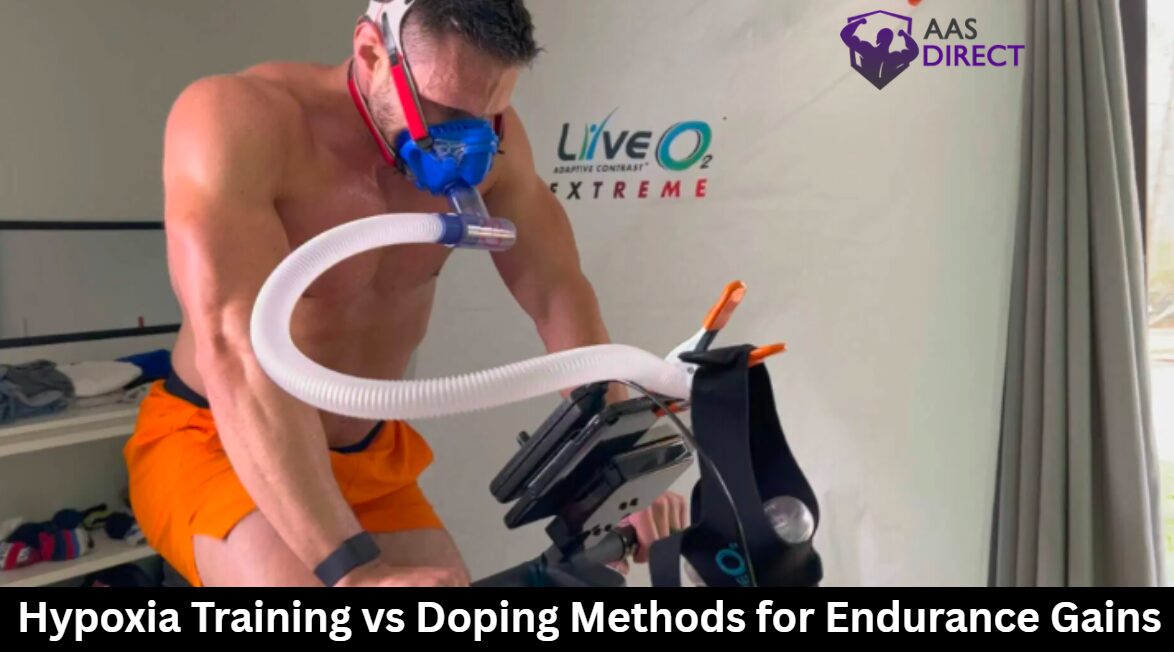
Hypoxia training works by exposing your body to reduced oxygen at altitude, triggering natural EPO release and boosting red blood cell production by 1–3%. It’s sustainable and safe. Doping methods like synthetic EPO or blood transfusions can push gains to 5–10%, but they thicken your blood and dramatically raise your risk of stroke, cardiac arrest, and death. No performance edge is worth that cost.
How Hypoxia Training Naturally Boosts Red Blood Cell Production
When your body senses reduced oxygen levels at altitude, it triggers a cascade of natural hormonal responses that ultimately increase red blood cell production. This hypoxic adaptation in exercise physiology begins with HIF signaling, which stimulates your kidneys to release erythropoietin (EPO), driving red blood cell production naturally over weeks.
Unlike artificial doping, altitude acclimatization mechanisms work gradually, allowing your cardiovascular system to adjust safely. As red blood cell count elevation occurs, your blood’s oxygen-carrying capacity training effect compounds, delivering more oxygen to working muscles without synthetic intervention.
You’re fundamentally leveraging your body’s own biology. The live high, train low method maximizes these adaptations, helping you sustain higher performance levels through entirely natural, legal physiological processes.
Hypoxia Training vs EPO vs Blood Transfusions: The Real Numbers
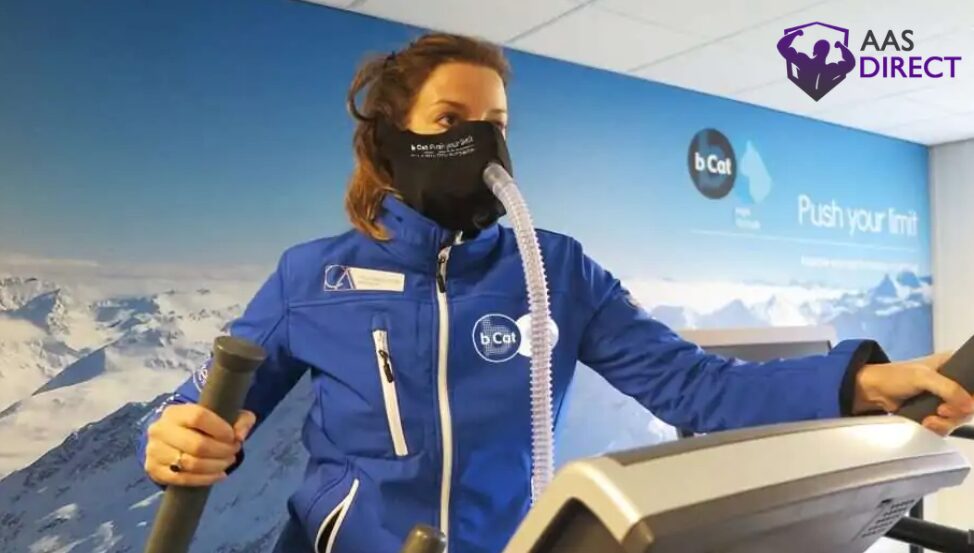
Understanding the actual performance numbers separates legitimate training methods from artificial enhancement. With hypoxia training, hematocrit and hemoglobin usually increase slightly, improving blood oxygen transport by about 1–3% after several weeks of consistent exposure.
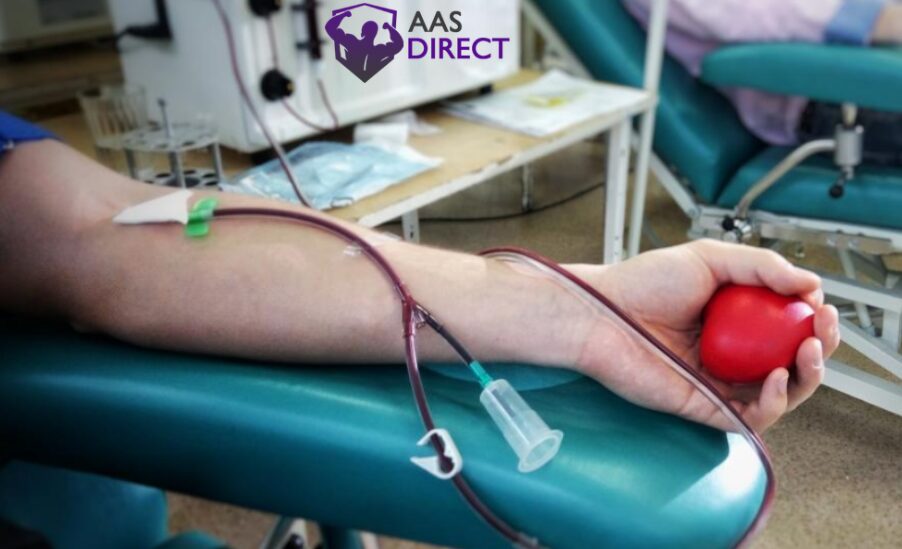
EPO doping accelerates red blood cell production artificially, pushing hematocrit levels dangerously above 50%, sometimes delivering 5–10% performance gains rapidly. Blood doping techniques cycling athletes once used can temporarily spike hemoglobin by 10–15%, producing immediate but unsustainable advantages.
The critical difference is sustainability and safety. Hypoxia training builds gradual adaptation without cardiovascular risk. EPO doping and transfusions create dangerous blood viscosity, increasing clotting and cardiac strain. You’re fundamentally comparing a structured physiological process against a shortcut that compromises long-term health for short-term numbers.
Why Doping Carries Life-Threatening Risks No Gain Justifies
EPO doping endurance enhancement thickens your blood dangerously, straining cardiovascular oxygen delivery efficiency to the breaking point. Athletes have died in their sleep. Hearts simply couldn’t push viscous, over-concentrated blood through coronary vessels. Blood doping and performance enhancement ethics aside, you’re gambling with stroke, pulmonary embolism, and cardiac arrest.
Hypoxia training altitude simulation carries none of these catastrophic risks. Your body adapts naturally, keeping hematocrit within physiologically safe ranges. The risks and ethical considerations surrounding doping include documented fatalities and permanent cardiac damage. No podium finish, no record, no contract justifies that exchange.

Which Hypoxia Training Protocol Delivers the Best Results?
Given that hypoxia training is the safer, legal alternative to doping, the next question is which protocol actually maximizes those natural adaptations. Research consistently supports the live high train low method, where you sleep at altitude but train near sea level. This approach activates hypoxia-inducible factor (HIF) signaling pathways, triggering red blood cell production without compromising training intensity.
If relocating isn’t feasible, altitude tents provide endurance training that replicates similar stimuli at home. Both methods improve mitochondrial efficiency in endurance training, helping your muscles extract oxygen more effectively over time.
Among VO2 max improvement strategies, sustained exposure of three to four weeks at 2,000–2,500 meters produces the strongest results. Consistency and structured integration into your training cycle determine how well these adaptations actually stick.
The Hypoxia Training Plan Built to Last All Season
Knowing which protocol works best is only half the equation. The other half is structuring it so the adaptations compound across an entire season rather than fading after a single training block.
Cycle hypoxic exposure strategically. Three to four weeks of altitude stimulus followed by sea-level performance blocks. Allow aerobic energy system development to accumulate without overreaching.
Unlike illegal performance-enhancing drugs endurance athletes risk using for rapid gains, this approach builds sustainable oxygen-carrying capacity through natural physiological stress. Revisit altitude phases every eight to ten weeks, adjusting exposure duration as your fitness matures.
Among endurance performance enhancement methods, this periodized hypoxic model is one of the few that actually rewards patience, delivering measurable improvements that hold through competition without compromising your health or eligibility.