


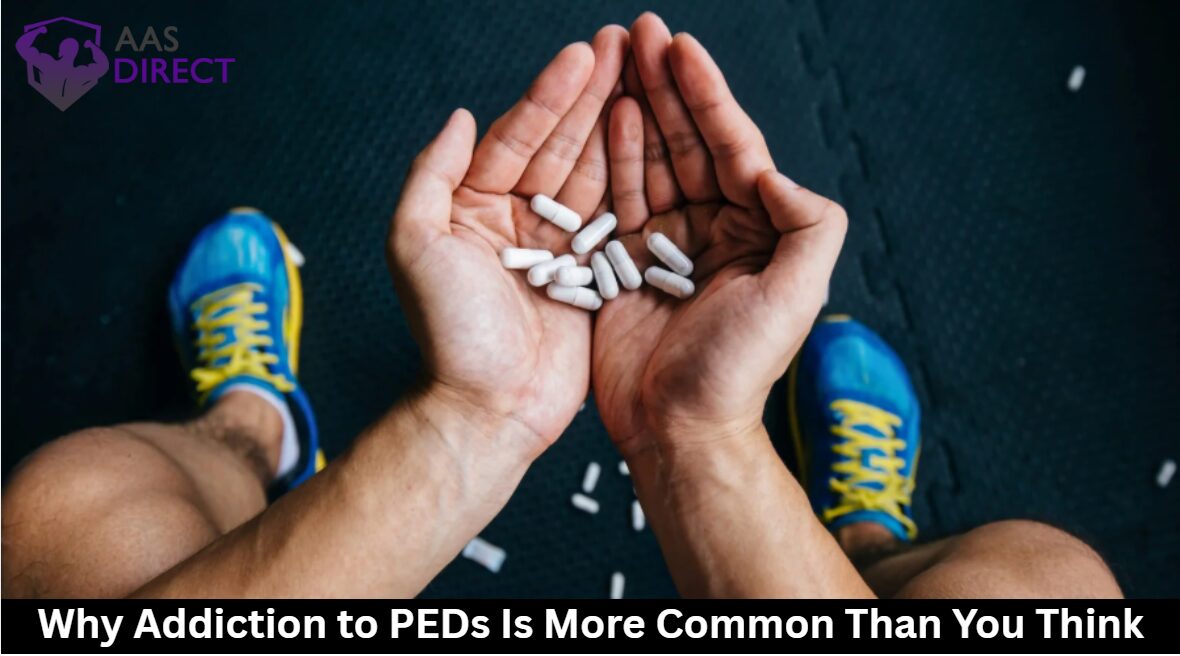
PED addiction is far more common than most people realize, and it’s likely hiding in plain sight. Recreational gym-goers, teenagers, and fitness enthusiasts are all vulnerable. Psychological dependence develops quietly through reward pathways tied to strength gains, while body dysmorphia distorts your perception of progress.
Cultural normalization makes escalating use seem like discipline rather than dependency.
Why PED Addiction Develops Faster Than Most People Expect
When most people picture addiction, they picture someone chasing a chemical high. Still, PED dependence doesn’t work that way, and that’s exactly why it catches users off guard. You don’t notice it happening because the reinforcement is subtle.
Psychological addiction and reward pathways activate every time your strength climbs or your physique sharpens. Body dysmorphia in athletic populations then distorts your perception.
Meanwhile, hormonal suppression and endocrine disruption quietly compromise your natural output. Tolerance development in anabolic steroid use means your baseline keeps dropping, making you feel like you need the next cycle just to feel normal.
When you stop, withdrawal syndrome in hormonal imbalance hits hard. That’s when most users realize they’re already dependent.
Who’s Actually at Risk for PED Addiction (It’s Not Just Athletes)?
The assumption that PED addiction only affects competitive athletes is one of the most dangerous misconceptions surrounding this issue. Performance-enhancing drug (PED) dependence mechanisms affect recreational gym-goers, fitness enthusiasts, and even teenagers chasing aesthetics they’ve seen online.
Fitness influencer PED use pressure warps your perception of what’s achievable naturally, making chemical enhancement feel like the logical next step. Social comparison theory in physique sports bleeds into everyday gym culture.
If you’re already prone to muscle dysmorphia, “bigorexia,” that vulnerability accelerates PED reliance markedly. Compulsive behavior in performance culture can develop without a single trophy or competitive goal. You just need a mirror and enough dissatisfaction.

How Society Makes PED Addiction Invisible
There’s no dramatic withdrawal scene, no obvious rock bottom. Instead, you’re dealing with physiological hormonal dependence that mimics normal fatigue, withdrawal, and post-cycle challenges that look like “off-season slumps,” and dopamine regulation and reinforcement behavior that feels indistinguishable from healthy ambition.
Body image and identity pressure get mistaken for discipline. Physique sports normalize escalating use, so nothing looks alarming from the outside. Because why it often goes undetected comes down to cultural acceptance.
When everyone around you is cycling, dependence doesn’t look like a problem. It just looks like commitment.
How Long-Term PED Use Damages Your Body and Mental Health
Beyond the performance gains and the identity built around them, long-term PED use quietly dismantles your body from the inside out. Anabolic steroid addiction rewires your brain through neurochemical adaptation to exogenous hormones, making your body increasingly dependent on external compounds to feel baseline normal.
Testosterone suppression cycles leave your endocrine system struggling to self-regulate. When you stop, the hormonal crash after the cycle hits hard. Fatigue, depression, low libido, and strength loss follow rapidly. Post-cycle therapy (PCT) withdrawal issues can stretch for months, and many users return to PEDs simply to escape that decline.
Over time, your cardiovascular system, liver, and mental health all absorb compounding damage that won’t always announce itself until it’s serious.
PED Addiction Warning Signs to Watch For
Because PED dependence rarely announces itself clearly, recognizing the warning signs early is what separates a pattern you can still interrupt from one that’s already controlling you.
In PED dependence bodybuilding contexts, watch for increasing anxiety between cycles, panic about losing size, and justifying longer or more frequent use. Bodybuilder steroid cycle dependence often shows up as an inability to take time off without spiraling mentally or physically.
If you’re stacking anabolic steroid cycles not for progression but just to feel baseline normal, that’s a significant red flag. Performance enhancement substance abuse frequently hides behind discipline and dedication, making it harder to identify.
Other signs include prioritizing drug access over relationships, ignoring side effects, and restructuring your life around maintaining your cycle schedule.