


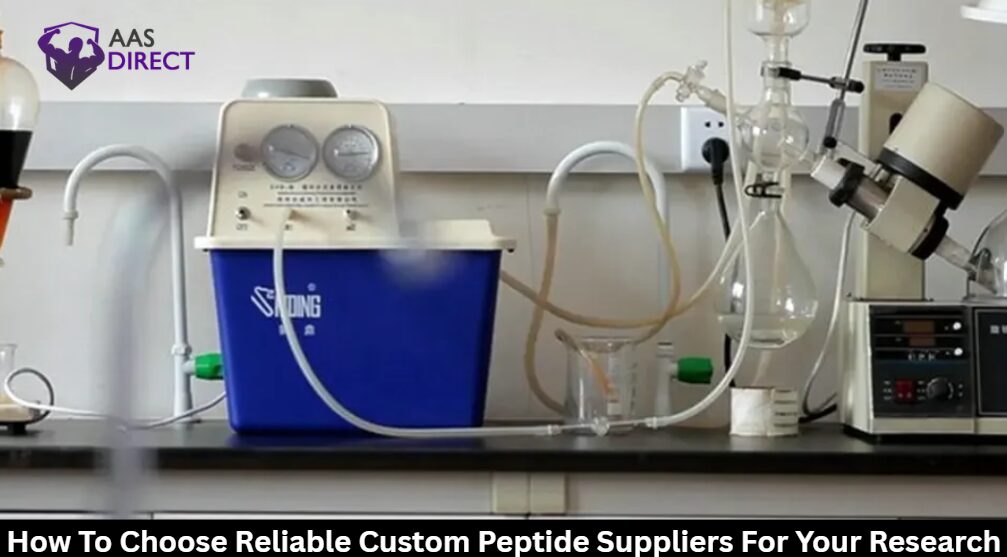
If you want to find a good custom peptide supplier, make sure they have purity standards of at least 95% for cell-based assays, use automated solid-phase synthesis, and always ask for raw HPLC and Mass Spectrometry data. Seek out warning signs like Certificates of Analysis that aren’t clear or prices that seem too low to be true. Before you commit, make sure that technical help at the PhD level is available.
Purity Standards Every Custom Peptide Supplier Should Meet
When you’re looking for custom peptides, purity isn’t just a box to check. It’s what makes your experiments valid. You’ll need to set your minimum purity level before making an order because different uses need different levels of purity. Most cell-based tests need peptides that are at least 95% pure, but crude peptides may be enough for basic screening.
For every batch, your supplier should use both HPLC and Mass Spectrometry as part of their quality control method. HPLC checks the purity percentage, and Mass Spec checks the molecular weight. Don’t just take the summary data; ask for the raw chromatography traces as well.
Check out getting rid of TFA salts, too. As a result, residual TFA from synthesis can be cytotoxic, which makes cell survival tests less accurate. A trustworthy provider will give you choices for counter-ion exchange and make it clear what salt form your peptide has.

Synthesis Methods That Signal Consistent Batch Quality
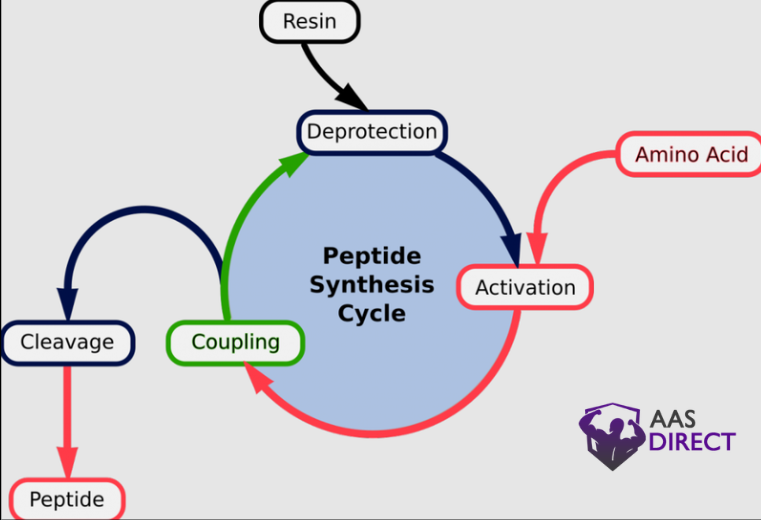
The synthesis method tells you how well the quality can be maintained across batches, while purity metrics tell you what’s in the end vial. When looking at a provider, find out if they use automated solid-phase synthesis methods. These are better than manual methods because they reduce human error and make the process more repeatable.
Controlling coupling cycles, reagent volumes, and reaction times more precisely is possible with automated systems. These factors have a direct impact on batch-to-batch consistency. You should also make sure that quality control checks are part of the synthesis process and not just done at the end. Monitoring during mid-synthesis finds mistakes before they get worse.
It is much more likely that the suppliers will give you reliable, repeatable results for your study if they can clearly explain their process, including how they deal with difficult sequences or complex modifications.
Turnaround Time Trade-offs Researchers Need to Understand
Turnaround time isn’t just a scheduling concern. It’s a variable that can directly compromise peptide quality if you’re not careful about the trade-offs involved. When you pressure a supplier with an aggressive lead time, something has to give, and it’s often quality control that gets compressed. Rushed synthesis can result in incomplete purification, skipped analytical verification, or inadequately documented results.
Still, longer isn’t always better either. Unnecessarily long timelines could mean that the process isn’t working well or that there isn’t enough space for synthesis. You find the right mix and always follow quality control steps, no matter how fast the delivery is.
Always check to see if faster orders still get a full HPLC and mass spectrometry analysis before shipments. It tells you everything you need to know about a supplier if they delay.
Red Flags That Identify an Unreliable Custom Peptide Supplier
Spotting an unreliable custom peptide supplier before you commit your research budget isn’t always straightforward. Still, there are consistent warning signs that reveal a supplier’s shortcomings if you know what to look for. Be cautious if a supplier can’t provide raw HPLC and Mass Spectrometry data, offering only summary figures instead.
Certificates of Analysis that aren’t clear or are missing show poor quality control, which will hurt your results. When prices seem too low to be true, it’s usually because of mistakes made in the synthesis process or not enough analytical testing.
Stay away from providers who can’t explain how they handle complicated changes or difficult sequences. More red flags are bad communication, no guarantees for remakes, and limited technical help. Before you even make your first order, a reliable supplier shows that they are open, have clear processes, and are quick to respond.
Technical Support Capabilities to Verify Before You Order
Once you’ve ruled out suppliers who show those red flags, the next step is to make sure that the technical help behind your order is really good. Before making a decision, find out if PhD-level scientists are ready to talk about sequence design, problems with solubility, or compatibility with modifications.
You won’t have to figure out what’s wrong when you have strong technical help. Make sure that the supplier’s quality control team does more than just send automated reports; they should actually look over the synthesis data and flag any problems before sending.
Directly ask about rules for remakes if a peptide doesn’t meet the requirements. A skilled team will go over clear, binding promises right away. Also, make sure that you can get real-time updates on your orders so that you never have to guess about delivery times or problems with synthesis that could throw off your project plan.