


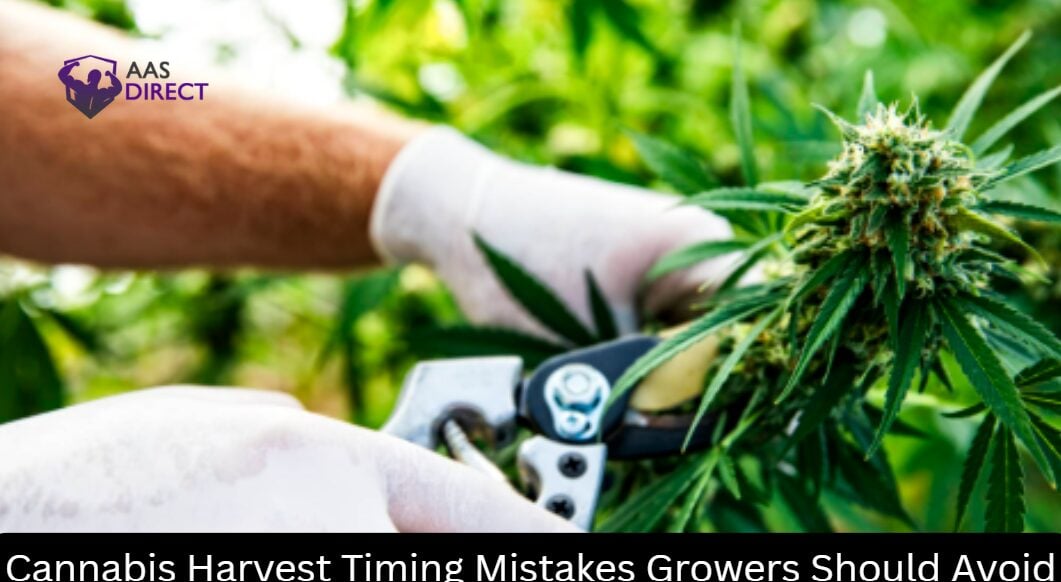
Harvesting cannabis too soon or too late, you lose potency and production. If you cut too early, your buds will lack fully developed cannabinoids or terpenes. Breeder timelines are averages, not promises, so don’t count on them. Rather, check your trichomes often for the change from clear to milky white. There’s more to take into account than you may think, because environmental stress might also bias your harvest signals.
What Harvesting Too Early Costs You in Potency and Yield
If you pull your cannabis plants before they’re fully grown, you’ll lose both their potency and their output. If you harvest weed too early, the cannabinoids haven’t reached their full potential. The amount of THC and other cannabinoids is lower, and there’s no way to fix this. You’ll also notice that the terpene concentration and aroma are lower, which means that your harvest won’t have the rich flavors that you worked so hard to achieve.
Trichome color harvest markers are there to make sure this doesn’t happen. Clear trichomes mean the plant isn’t ready yet, while cloudy ones mean it is. One of the most common mistakes growers make when figuring out when to gather cannabis is ignoring these signs.
When you pull buds too early, they become less thick, which means you lose both quality and real weight. Do not hurry to finish.
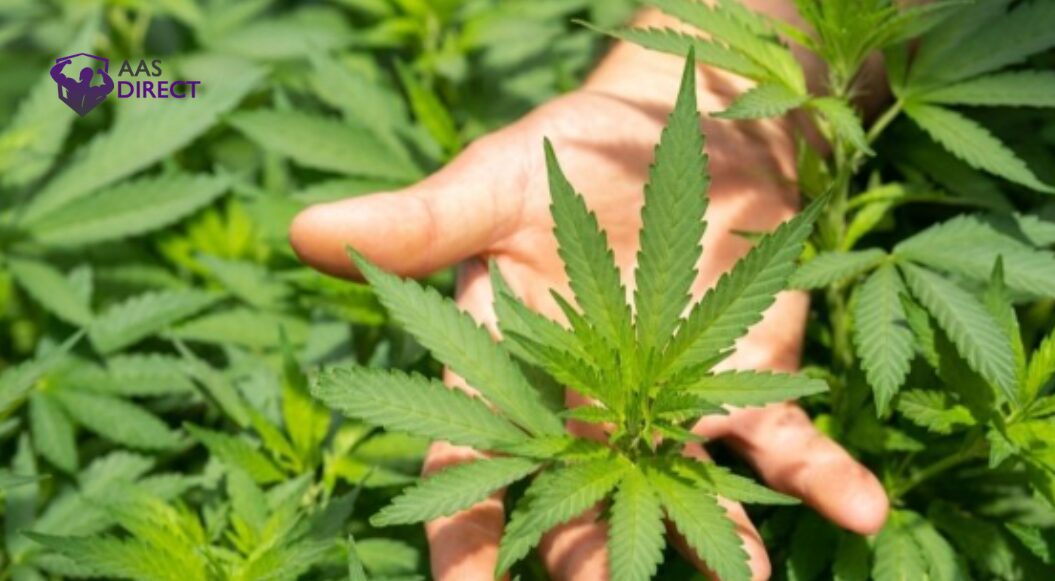
What Trichome Color Is Actually Telling You About Harvest Readiness?
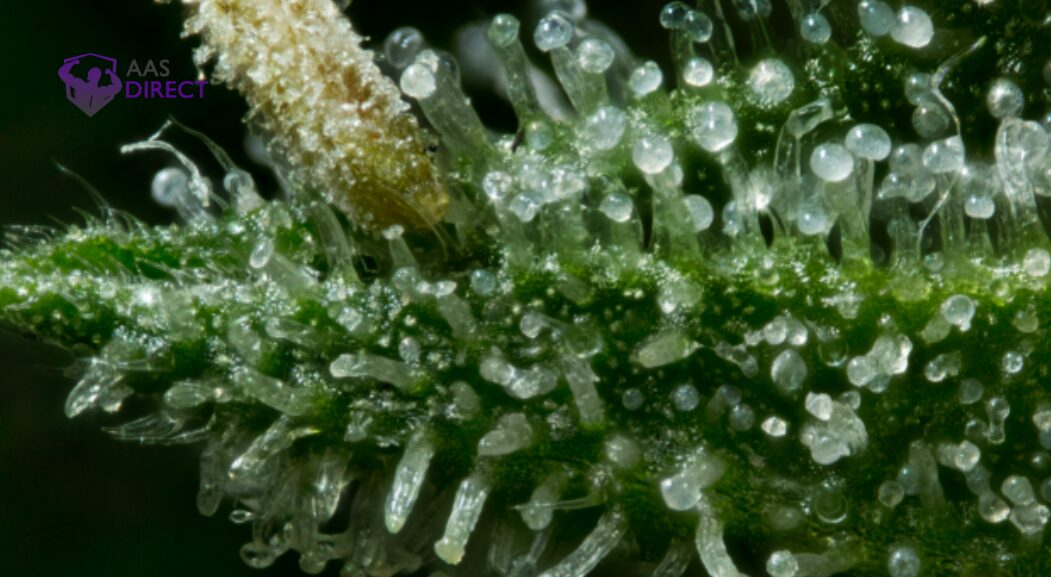
Trichomes are your most reliable real-time indicator of where your plant stands in its cannabinoid development. As your plant moves through flower development stages, trichome color shifts from clear to milky white to amber.
Clear trichomes signal incomplete development; harvesting here means sacrificing potency. Milky or cloudy trichomes indicate peak cannabinoid maturity, where THC concentration is at its highest. It is your best harvest window, cannabis growers should target.
Once trichomes turn mainly amber, late harvest THC degradation has begun, converting THC into CBN and producing heavier, sedative effects. You’ll want to inspect multiple bud sites using a jeweler’s loupe or digital microscope, since trichome maturity isn’t always uniform across the entire plant.
Pistil Color is Your Most Visible Cannabis Harvest Signal
You have to look closely at trichomes to read them correctly, but pistils show you right away, with just your eyes, where your plant is in its growth cycle. In the early stages of blooming, the pistils are white and stand straight up. As the weed grows older, the buds get darker and curl inward, changing color from white to orange, red, or brown.
People often get the time of harvest wrong when they only look at the color of the pistils. It can help, but it’s not the same as a trichome color study. Stress, pollination, or changes in the surroundings can cause pistils to turn dark before they are really ready.
Check the color of the pistils quickly in the field, but don’t let it make you decide for sure. When about 70–90% of the pistils have turned darker and bent, it’s time to get the magnifying glass.
Why Breeder Harvest Timelines Mislead More Than They Help
The “8–10 week flower” claims on seed packets are marketing averages, not promises for when the plants will bloom. The real harvest window changes a lot depending on your location, genetics, and growing conditions.
A cannabis sativa type that says it will be ready in nine weeks might need eleven if it doesn’t get enough light or if it’s cooler. One of the most common mistakes growers make when trying to figure out when plants will flower is relying on calendar dates instead of plant cues.
The cannabinoid makeup of your plant doesn’t change when a breeder tells it to; it changes on its own. Instead of counting weeks, you should regularly look at the color of the trichomes under a microscope. THC that is milky, amber, or clear will tell you a lot more than any seed box ever could. Don’t trust the box; trust the plant.
How Heat, Drought, and Light Stress Skew Your Harvest Timing
In addition to hurting your plant’s health, environmental stress changes the cues you use to tell when it’s ready to harvest. Too much light, heat, or drought can cause trichomes to form early, making THC look fully formed when the plant hasn’t really hit full maturity. Some people see yellow trichomes weeks before the plant is fully ripe and think that stress-related breakdown is the real thing.
As a way for plants to stay alive during drought, they make more resin, which floods the trichomes with cannabinoids before the plant’s internal chemistry is balanced. Higher temperatures make terpenes volatile, which means that any methods you used to protect them during the grow will not work anymore.
These outside factors basically send out false signs of readiness. You can’t just depend on what you see; you’ll also need to look at how the trichomes look in relation to how long the flowers last and how the plant acts in general.