



Overtraining, extreme diets, and performance-enhancing medicines can screw up your hormones, stress your heart, and screw up your joints in ways that don’t show up for years. What seems like growth now may be long-term dysfunction tomorrow.
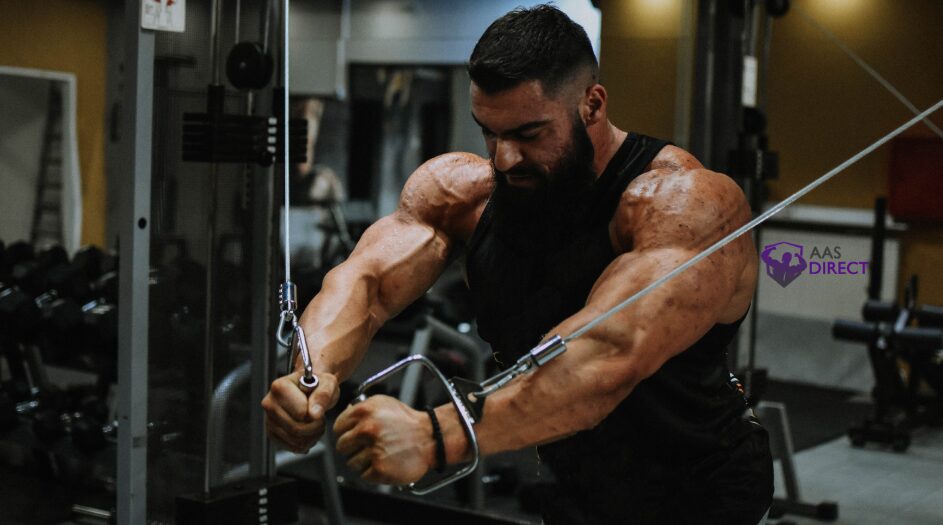
Short-Term Bodybuilding Gains and Their Long-Term Physical Price
When you try to build muscle quickly or lose a lot of fat quickly in weightlifting, your body pays the price. Sometimes the costs show up right away, but they do. Athletes often trade long-term health for short-term performance gains and usually don’t realize the tradeoff until it has already caused damage.
Without enough rest, overtraining wears down your ability to heal, which puts constant stress on your muscles, joints, and nervous system. Extremes in calories that last for a long time throw off the balance of hormones, which have effects on testosterone, cortisol, and thyroid function that get worse over time.
It’s possible to look great on stage while your body is slowly breaking down behind the scenes. Knowing this early on gives you the knowledge to make progress without putting your health at risk, which is necessary for long-term success.
How Steroid and Hormone Use Damages Your Body Permanently
Performance-enhancing drugs may help you reach your fitness goals faster, but the damage they do to your body can last decades longer than the wins. When you put hormones from outside your body into your body, it stops making its own. That’s not just a break; it’s usually a lasting change. Long-term use of steroids can mess up your hormones and stop your body from making its own testosterone.
Stress on the heart and arteries is also very bad. Performance-enhancing drugs hurt your arteries faster, make the heart walls thicker, and raise your blood pressure in ways that don’t go away when you stop using them.
You’re also building up recovery debt, which is a physiological shortage that makes it harder for your body to heal, adapt, and keep itself in balance. The health risks in the long run are real. For many athletes, they become unwanted side effects of trying to get quick results.
The Metabolic and Hormonal Fallout of Extreme Bodybuilding Diets
Abusing steroids isn’t the only thing that breaks down your body from the inside out. Extreme dieting and long-term calorie restriction cause metabolic adaptation, in which your body protects its fat stores by slowing down your metabolism, lowering thyroid output, and lowering testosterone levels.
When you start eating normally again, these chemical changes don’t always go away. Changes in insulin sensitivity, cortisol levels, and leptin levels can last for months after a battle prep is over.
In a sense, you’re teaching your body to do things that hurt you. When you compete in bodybuilding more than once, these health risks add up, making each cut harder and healing slower. Sustainable eating habits aren’t just a personal choice; they’re also good for you.
If you don’t have them, you’ll trade short-term stage preparation for long-term metabolic and endocrine problems that will slowly destroy everything you’re building.
Joint, Heart, and Organ Damage Competitive Bodybuilding Causes
Not only do hormones hurt your metabolism, but competitive bodybuilding also puts a lot of stress on your heart and muscles, which builds up slowly but surely.
Rapid muscle gain puts too much stress on joints for the connective tissue to handle, which leads to long-term wear that shows up years later. Extreme training puts a lot of stress on your body and makes your left ventricle of the heart bigger, which raises your long-term risk of heart disease. Your kidneys and liver have to deal with a lot of stress from high-protein diets, drugs used during contest prep, and often performance-enhancing methods that use chemicals that directly affect organ function.
These long-term health risks don’t show up right away; they build up slowly over the course of a competitive season. If you’re really into the sport, you have to think of your cardiovascular and structural health as performance factors.
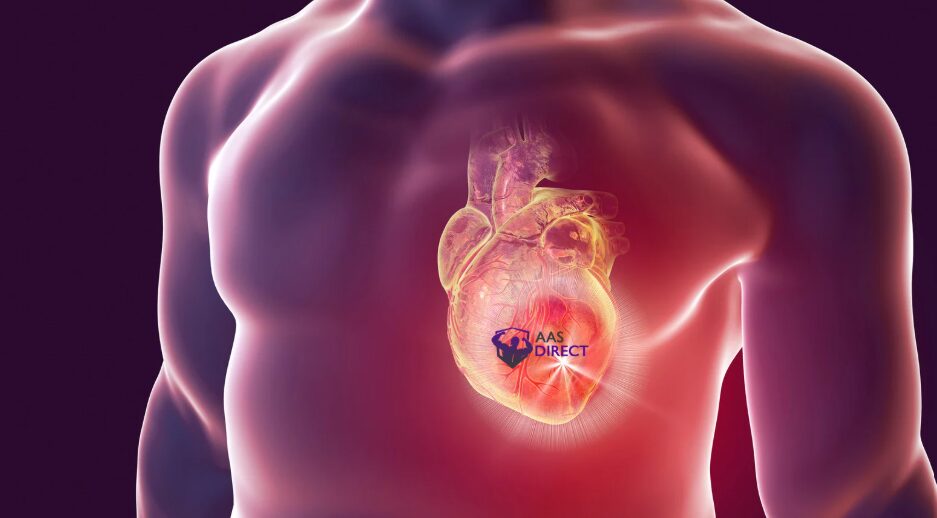
How to Build a Strong Bodybuilding Physique That Lasts Decades
Being aware of the things that weaken bodies over time makes it easier to build ones that last. Instead of aggressively overfeeding during the phase of mass gain, plan your meals around mild surpluses. If you want to keep your metabolism going, don’t go on crash diets. They take away muscle, mess up your hormones, and make you gain weight quickly.
Periodization lets you control how hard you work out so that your joints, tendons, and nervous system can truly heal. Going easier isn’t the point of longevity training; the point is to go better. Switch between periods of high effort and planned rest periods.
Body recomposition is a sustainable way to build strength and lose fat at the same time, without going through extreme cycles. Keep an eye on health signs as well as looks. If you stay constant over years instead of going crazy over weeks, your body changes in ways that short-term extremes can’t.