


When your endocrine system is already under a lot of stress, like during pregnancy, youth, and perimenopause, you should not take performance-enhancing drugs. Even small amounts can make a woman virile, stop her from ovulating, and damage her hormones in the long run. If you already have a hormonal or endocrine disorder, your risks go up even more. The effects can’t always be undone, and they affect heart health and sexual health.
How Performance-Enhancing Drugs Affect Women Differently Than Men
Both men and women can benefit from performance-enhancing drugs (PEDs), but the effects are much stronger on women because of their hormones. The balance of hormones in your body is very fragile, and outside chemicals can easily throw it off. Even small amounts of performance-enhancing drugs can cause virilization, which is when your voice gets deeper, your clitoral opening gets bigger, and your facial hair starts to grow.
Your body naturally has lower amounts of androgen than men’s, which means that bad reactions are much less likely to happen. Female PED risk factors aren’t just about looks; they also directly affect your reproductive health by messing up ovulation, changing your menstrual patterns, and making it harder to get pregnant in the future.
Do not skip this part; you must understand these differences in order to make smart choices about what you put into your body.
The Hormonal Conditions That Make Performance-Enhancing Drugs Far More Dangerous
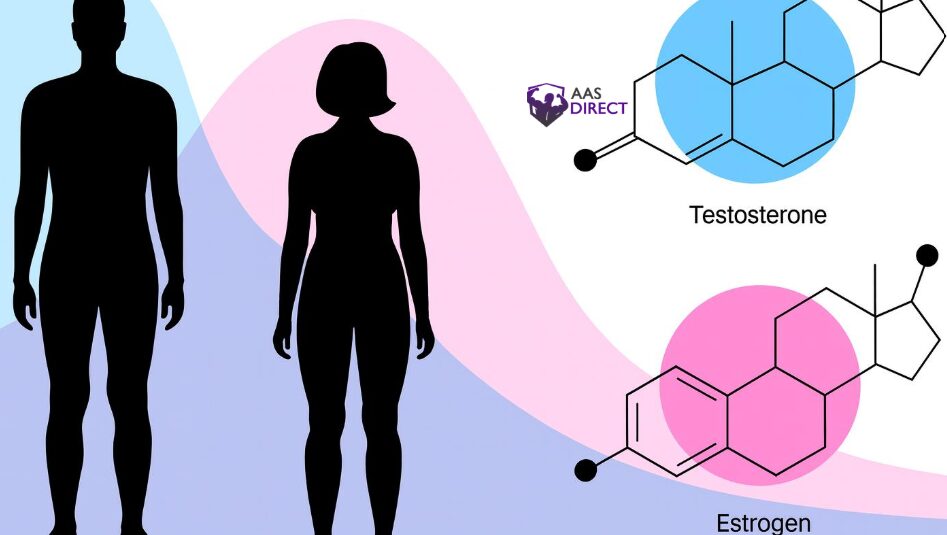
Taking PEDs doesn’t just raise the risk of getting a hormonal or endocrine problem; it makes it worse. Conditions that affect the balance of estrogen or androgen, the function of your thyroid, or the stability of your metabolism make your body much more sensitive to changes in hormones. What might only cause minor problems for a healthy person could put your sexual health at great risk.
Performance-enhancing drugs can throw off the balance of hormones, which can make problems worse instead of better. It further messes up your endocrine system’s already weak ability to control itself. That instability doesn’t stay in one place; it raises the risk of heart disease, speeds up metabolic failure, and makes long-term PED health effects more likely.
Adding chemicals from outside your body is usually not a good idea if your hormones are already having trouble staying balanced. It is often one that gets worse.
The Reproductive Risks of Performance-Enhancing Drugs Every Woman Should Understand
If you’re pregnant, trying to get pregnant, or going through fertility treatment, using a PED puts you in contact with androgens at a time when your body’s natural environment is most easily upset. Performance-enhancing drugs can stop menstruation, throw off a woman’s menstrual cycle, and cause a hormone imbalance that lasts for a long time after she stops using the drugs.
These aren’t just short-term problems; they’re real reasons why women shouldn’t use steroids, because they can hurt their fertility in real ways, like making eggs less healthy and messing up the signaling of the luteinizing hormone.
Exogenous androgens can directly mess up methods meant to control ovulation if you are going through fertility treatment. Androgen exposure during pregnancy can also affect the growth of the fetus. To protect your reproductive health, you need to know that short-term performance gains aren’t worth long-term chemical damage that might be hard or impossible to fix.
Why Pregnancy, Adolescence, and Perimenopause Rule Out Performance-Enhancing Drug Use
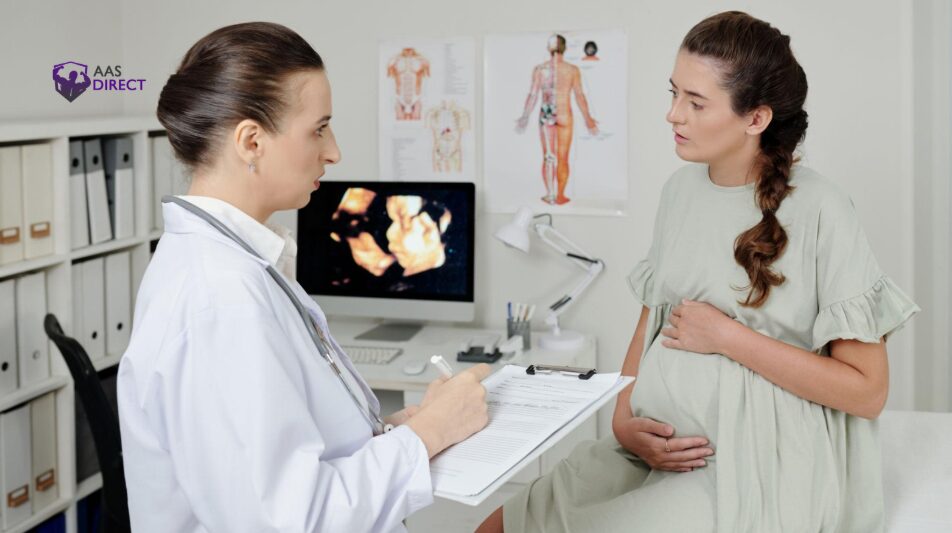
During pregnancy, youth, and perimenopause, your endocrine system is already going through a lot of hormonal changes. Adding exogenous androgens during any of these times makes a biological process that is already very complicated even more complicated.
During pregnancy, androgenic side effects in women can affect more than just the woman herself. They can also directly affect the development of the fetus, which can have major effects on future fertility and reproduction. Endocrine disruption during adolescence can forever change how you mature, how dense your bones are, and how well you can reproduce.
During perimenopause, hormones can change, and taking PEDs while estrogen levels are dropping can have heart and metabolism effects that are hard to predict. These aren’t times when risk tolerance goes up; these are times when it goes down a lot. It’s not too cautious to stay away from PEDs during these times; it’s physically necessary.
Nutrition and Training Alternatives That Deliver Results Without the Risk
Even though PEDs are popular in competitive settings, that doesn’t mean they’re safe. It also doesn’t mean you can’t make progress without them. Alternatives to diet and exercise are still the best way to go, especially since women’s reproductive systems are more sensitive to changes in hormones. Periodized strength training, gradual overload, and smart recovery plans can help you make real gains without putting your health at risk.
When it comes to diet, getting enough protein, managing caloric periods, and filling in micronutrient gaps all help hormonal health instead of hurting it. These methods are in line with safety rules for bodybuilding drugs and help keep your long-term health risks from getting worse over time.
To get stronger, you don’t have to hurt your endocrine system. All you need is consistency, order, and a plan that works for your body.