



Yes, magic mushrooms can facilitate spiritual awakening through measurable changes in your brain. Psilocybin disrupts your default mode network, while increasing connectivity between normally separate areas. It creates profound shifts in consciousness that many describe as spiritual experiences.
Indigenous cultures have recognized this sacred potential for centuries, using psilocybin mushrooms in ceremonial practices. The key lies in proper preparation, mindful integration, and understanding how these neurological changes can translate into lasting personal transformation.
How Psilocybin Triggers Spiritual Experiences In The Brain
When psilocybin enters your system, it’s converted to psilocin, which mimics serotonin and binds to 5-HT2A receptors throughout your brain. This interaction disrupts your default mode network. The brain regions are responsible for self-referential thinking and maintaining your sense of identity.
As connectivity increases between normally separate brain areas, you experience altered states of consciousness that can feel profoundly spiritual.
The breakdown of typical neural patterns creates what researchers call ego dissolution, where your boundaries between self and environment dissolve. This neurological shift often triggers mystical experiences characterized by feelings of unity and transcendence.
Additionally, psilocybin promotes neuroplasticity, forming new neural connections that may persist long after the experience ends. These brain changes help explain why many people report lasting spiritual insights and transformed worldviews following their psychedelic journey.

Ancient Sacred Mushroom Traditions Across Cultures
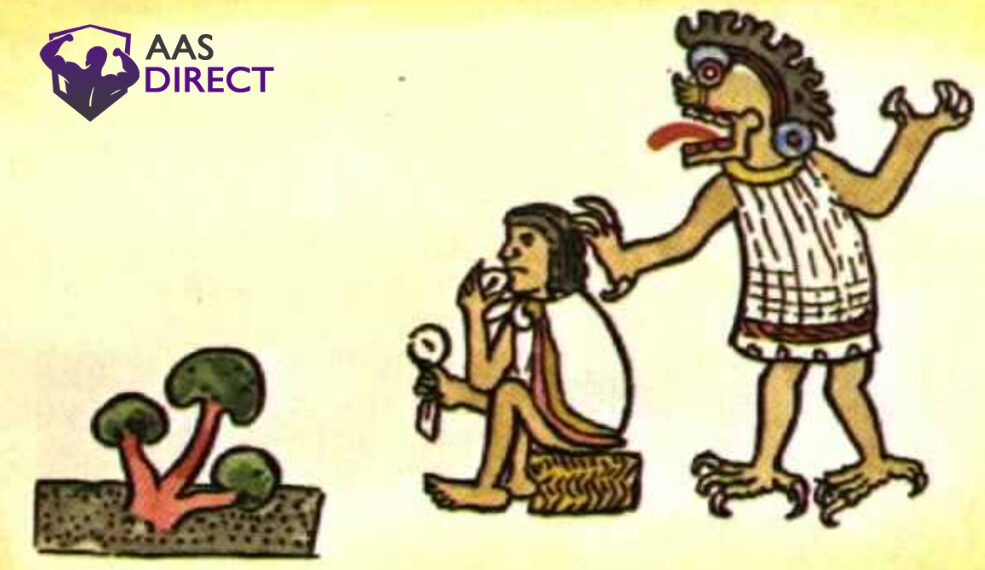
Throughout human history, indigenous cultures across the globe have revered psychoactive mushrooms as sacred gateways to divine domains. You’ll find ancient sacred mushroom traditions woven throughout Mesoamerican civilizations, where Aztecs called psilocybin fungi “teonanácatl” or “flesh of the gods.”
Siberian shamans used Amanita muscaria for spiritual journeys, while indigenous Mexican communities like the Mazatec continue ceremonial practices today.
These cultures didn’t view magic mushrooms as recreational substances but as sacred medicine, facilitating mystical experiences and communion with ancestral spirits. Traditional ceremonies included careful preparation, ritual guidance, and community support during the integration process.
Participate in structured ceremonies designed to promote spiritual awakening through connection with nature and divine consciousness, emphasizing healing rather than mere altered states.
What Makes A Psilocybin Spiritual Experience “Real”?
Although neuroscience can map psilocybin’s effects on brain chemistry, determining whether your spiritual experience is “real” depends largely on how you define reality itself. When psilocybin activates serotonin receptors and creates mystical experiences, you’re encountering genuine neurological phenomena with measurable effects on consciousness.
The key isn’t whether your visions correspond to external reality, but rather how they transform your understanding of yourself and existence. Through proper intention setting and integration, these psychological transformations can produce lasting positive changes in behavior, relationships, and worldview.
In psychedelic therapy settings, practitioners focus less on validating supernatural elements and more on helping you extract meaningful insights. Your experience becomes “real” through its practical impact on your life, regardless of its metaphysical origins.

Different Paths, Similar Destinations of Psilocybin Vs Meditation
Many practitioners who’ve experienced profound insights through psilocybin find themselves drawn to meditation as a way to access similar states naturally. Both practices target the default mode network, creating space for consciousness exploration beyond ordinary thinking patterns. You’ll notice comparable perceptual shifts in both experiences, such as altered time perception, enhanced present-moment awareness, and decreased self-referential thinking.
Meditation offers sustainable emotional processing through consistent practice, while psilocybin provides intense, compressed insights that require integration afterward. Advanced meditators often report ego dissolution and unity experiences similar to psychedelic states, though typically gentler and more gradual.
Modern therapeutic frameworks increasingly combine both approaches, recognizing that psilocybin can catalyze breakthroughs while meditation sustains long-term transformation. Whether you choose chemical or contemplative paths, both invite profound shifts in consciousness and self-understanding.
Making Psilocybin Insights Last Beyond The Trip
When the profound insights from a psilocybin experience begin to fade, you’ll face the essential challenge of translating those revelations into lasting personal growth. Integration is where transformation truly happens. It’s the bridge between mystical experience and meaningful change.
Clinical research emphasizes that preparation and follow-up matter as much as the experience itself. The careful attention to set and setting that creates safe experiences extends into integration work. Actively process what you’ve learned through journaling, therapy, or meaningful conversations.
Guided sessions often include structured integration support, helping you identify actionable insights and develop practices that honor your experience. Without integration, even the most profound revelations risk becoming mere memories rather than catalysts for genuine spiritual development and personal transformation.