



Diet, exercise, and changes to your way of life can help drop triglycerides naturally. Instead of refined carbs and added sugars, eat more fatty fish, whole grains, and veggies that don’t have a lot of starch.
Target 150 minutes of aerobic exercise every week, and don’t forget that stress, alcohol, and sleep all have bigger effects on your levels than you might believe. If you keep making these changes, you’ll notice a difference in just a few weeks.
What Actually Causes High Triglycerides?
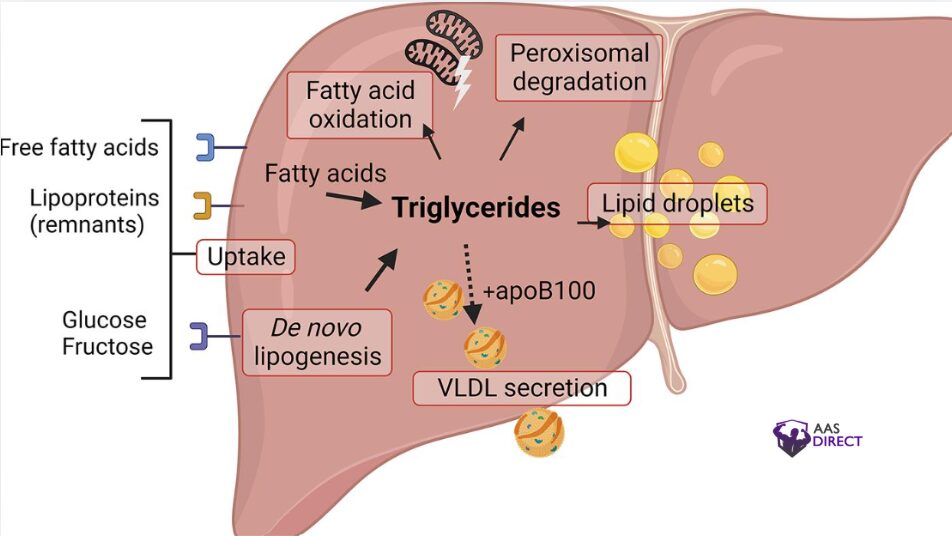
Triglycerides go up when your body has more calories than it can use right away, like when you eat too much sugar, refined carbs, or alcohol. Your body keeps the excess calories as fat in your body. Insulin resistance is a big part of this. When your cells become less sensitive to insulin, your liver makes more VLDL particles, which carry fats through your bloodstream.
Inactive lifestyle, genetics, and having too much visceral fat can all cause your amounts to be high. To lower triglyceride levels, changing your diet by cutting back on added sugars, booze, and refined carbs in favor of fiber-rich foods directly addresses these underlying issues. It is much easier to make changes when you know what is causing your numbers to go up or down.
Foods That Lower Triglycerides Naturally
What you eat has a direct impact on how many triglycerides your liver produces and releases into your bloodstream. Choosing the right foods that lower triglycerides naturally can make a measurable difference in your lipid levels within weeks.
Focus on these key dietary choices:
- Fatty fish like salmon, sardines, and mackerel deliver omega-3 fatty acids, which directly reduce triglyceride production in the liver.
- Non-starchy vegetables and legumes provide fiber that slows sugar absorption and reduces lipid spikes.
- Nuts and seeds offer healthy fats that support better lipid balance.
- Whole grains replace refined carbs that would otherwise spike blood sugar and trigger excess triglyceride synthesis.
Cutting added sugars and processed foods amplifies the benefits of every positive dietary change you make.
Exercise Habits That Make a Real Difference
What you eat is only one part of controlling cholesterol levels. How much you move every day is also very important. Aerobic exercise, like brisk walking, riding, or swimming, burns fat directly, which helps your body use extra triglycerides as fuel. Aim to do 150 minutes of moderately intense exercise every week.
Combining cardio with strength training makes your skills for improving insulin sensitivity stronger, which lowers the amount of VLDL your liver makes. Triglycerides are less likely to be in your blood if your insulin works better.
More important than energy is consistency. Short lessons every day work better than intense workouts once in a while. Over time, even small changes like taking the stairs, walking after meals, or standing up more can have a big effect on your metabolism. You don’t have to be a member of a gym to get heart-healthy exercise.

How Sleep, Alcohol, and Stress Affect Your Triglycerides
Besides what you eat and how much you exercise, how you sleep, drink, and deal with worry every day can also significantly raise your triglyceride levels, even if everything else is fine. Not getting enough good-quality sleep can mess up the hormones that control fat metabolism. It can make you less sensitive to insulin and cause your liver to make more triglycerides. Aim for seven to nine hours of regular, good sleep every night.
Having alcohol is another big trigger. Triglycerides go up even if you only drink a little because alcohol makes the liver turn it into fat. If your levels are high, cutting back on alcohol or not drinking at all can really help you see results fast.
Cortisol levels rise when you’re under a lot of stress, which breaks down fat and releases triglyceride-rich particles into your system. It’s not a choice to deal with stress through mindfulness, exercise, or planned downtime; it’s a straight way to improve your lipid profile.
How Long Does It Take to See Results?
What changes you make and how often you make them will determine how quickly you see effects. Changing your diet, especially cutting back on sugar and simple carbs, can lower your triglycerides in two to four weeks. Within four to eight weeks of adding omega-3-rich foods or pills, you may start to notice changes.
How you handle your weight has a big effect on your schedule. Even cutting weight by 5 to 10 percent can make a huge difference in decreasing fat levels. Controlling blood sugar also speeds up progress; keeping blood sugar stable lowers the production of VLDL in the liver, which in turn lowers triglycerides in the blood.
After three to six weeks of regular aerobic activity, exercise benefits usually start to show. Most people feel a lot better within three months of making changes to their food, getting more exercise, and adopting healthier habits in general.