



If you want a back that is bigger and denser, you should do rack pulls. In a way that most workouts can’t match, they work your traps, spinal erectors, and lats. But skill is more important than you might think, and even small mistakes in setup can cost you big gains.
Why Rack Pulls Build Thicker, Denser Back Muscle
Rack pulls are the best way to build back thickness because they have the technical benefit of a shorter range of motion. Since you’re not pulling from the floor, you can put more weight on the bar, which makes your traps, spine erectors, and rhomboids work harder.
That extra stress is exactly what causes the upper back to get bigger. Your muscles have to work hard in the middle to upper part of the pull, which is where they’re most active.
Rack pulls are especially good for trap development because they use the traps a lot during lockout. It will also be easier to use progressive overload over time because shorter range movements let you add weight without your form breaking down as fast.
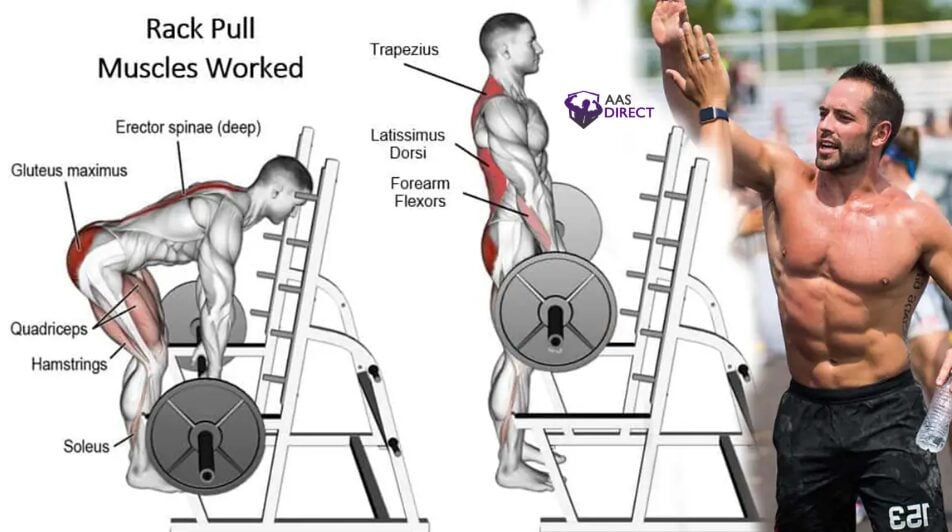
Setting Up the Rack Pull for Your Body Type
Because everyone is different, there isn’t a single rack height that works for all users. The right way to set up for a rack pull depends on your limb length, trunk height, and mobility. Most of the time, the bar should be just below or at knee height for the best back bone growth.
Place yourself inside the rack so that your feet are hip-width apart. Before you pull, focus on working your lats by bringing your armpits closer to your hips. It makes your whole body tight, which saves your spine. If you raise the rack height a little, the focus shifts to your upper traps and erectors. If you lower it, the focus moves to your whole back.
Move the pins around during a few different workouts to find the strength training method that works best for your body and your training goals.
Rack Pull Technique Step-by-Step Breakdown
Once you know the right height for your rack, there are five key steps you need to take before the bar even leaves the pins to make sure you do each rep correctly. Place your feet about hip-width apart and hold the bar just outside your knees.
Second, get your core tight and pull your shoulder blades down to work your lats.
Third, start the pull by pressing your feet into the floor. Keep the bar path straight and close to your body.
Fourth, squeeze your traps at the top to make them work the hardest and get the strongest lockout.
Fifth, slowly lower the bar to help the spinal erectors grow throughout the whole range. If you skip any of these steps, you will lose tension, and your rack pull method will not work as well.
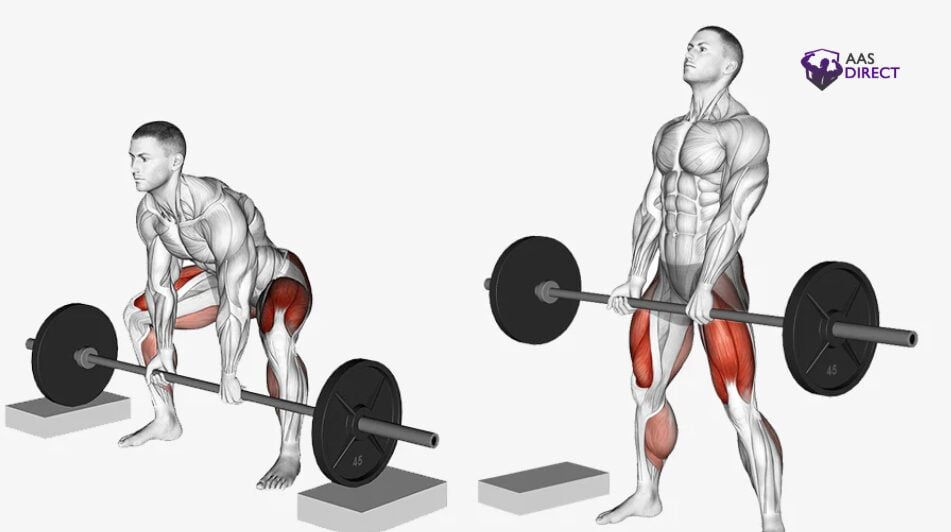
Rack Pull Mistakes That Stall Your Progress
When doing rack pulls, even small mistakes can slow you down. The most common mistake is setting the pins too high. If the range of motion is too small, you’re not working the muscles that help them grow.
It’s easy for small mistakes in rack pulls to slow down progress. Pins set too high are the most common cause of these problems.
Here are the worst mistakes that most people make that you should fix right away:
- Overloading the bar: If you try to lift big weights without the right form, your shoulders will round, and your lower back will hyperextend at lockout.
- Skipping engaging your lats: Beginning the pull without bracing your lats takes all the strain out of your upper back.
- Losing tension between reps: If you lose tension, you can’t do increasing overload.
- Do not use lifting bands: If your grip fails before your back does, you miss out on growth.
If you fix these, rack pulls will really work.
Adding Rack Pulls to Your Back Training Program
The difference between lifters who get results and those who just add more volume is how they add rack pulls to their routine. When you’re fresh, do rack pulls early in your back workout. For correct technique, you need to be able to focus and keep the power rack stable.
To build thickness in your upper back, do rack pulls along with horizontal rows and vertical pulldowns. It will cover all the angles. For strength and deadlift lockout gains, aim for 3–4 sets of 4–6 reps. For growth, aim for 3–4 sets of 6–10 reps.
You shouldn’t do rack pulls more than twice a week. Your back needs enough time to heal so it can grow. Consistently use gradual overload by slowly adding more weight over time. Sticking to that plan is what will give you the dense, thick upper back you want.