
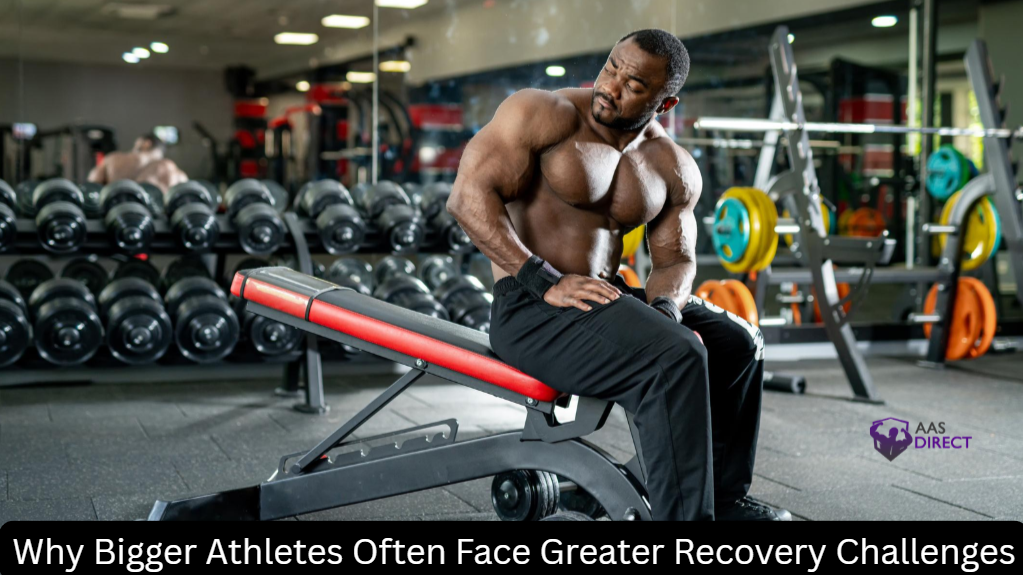
If you have a bigger build, your body needs different things to recover after a workout. More muscle means more stress on your joints and connective tissues, and they need to heal quickly. You also need more protein, water, and sleep than smaller athletes. Taking care of these needs isn’t optional—it’s essential. Keep looking for what might be holding back your recovery and find ways to fix it.
Why Bigger Bodies Take Longer to Recover
As you gain more muscle, training gets harder and your body takes longer to recover. Building muscle uses more energy, so your heart, joints, and connective tissues all have to work harder to move the extra weight.
Joint stress can add up quickly during weight-bearing exercises, especially if you do a lot of them. Being bigger doesn’t mean you recover faster. Your recovery depends on how well you train, how much you sleep, what you eat, and how you plan your workouts.
The more body mass you have, the harder recovery gets. You have more tissue to repair, need to refuel more, and have to deal with more stress before your next workout.
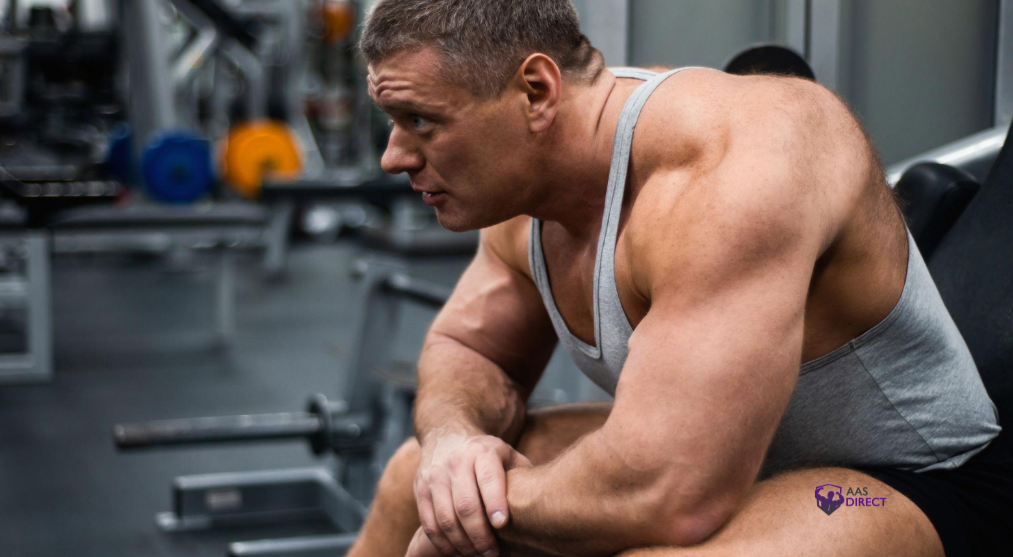
Why Joints and Connective Tissue Take the Hardest Hit
When you gain weight, your joints and soft tissues feel it first—not your muscles. Tendons, ligaments, and cartilage change more slowly than muscle. This means the support around your joints can’t always keep up with your growing strength, making recovery harder, especially if you keep training hard.
Exercises that place weight on the joints—such as squats, deadlifts, and carries—apply greater stress to them. Each repetition involving more bodyExercises that put weight on your joints, like squats, deadlifts, and carries, add more stress to them. Every rep with more body weight puts extra pressure on your knees, hips, and back. Connective tissue also gets less blood flow than muscle, so it heals more slowly. though your muscles have returned to normal, stress on your connective tissues may be increasing, thus raising your long-term risk of injury.
How Size Amplifies Inflammation and Slows Recovery
Besides stressing your joints, having more body mass makes it harder to get rid of inflammation after tough workouts. A bigger body creates more waste during exercise, so your body has to work harder to clear it out. If your diet isn’t right, this process slows down even more, leaving you tired after training and into your next session.
The fact that you have more body mass doesn’t mean that you’ll never be able to recover from training in the future, but it does mean that your recovery requHaving more body mass doesn’t mean you can’t recover from training, but it does mean you’ll need more to recover as your size increases. Inflammation can last longer if you don’t get enough protein, calories, or water.s way, you’ll be able to return to training without having to carry on with sessions that you haven’t fully recovered from.
How Sleep, Protein, and Hydration Demands Scale With Body Size
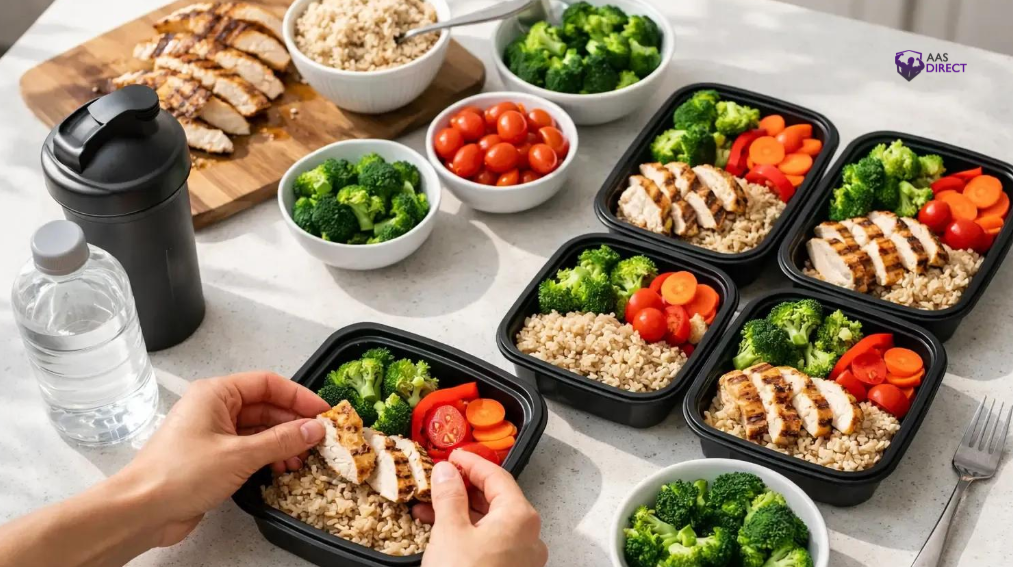
It’s not only inflammation that varies according to your bodyIt’s not just inflammation that changes with your body size. Your needs for sleep, energy, and water also go up as you get bigger. Larger athletes repair more muscle during exercise, so they need more protein. If you don’t get enough, you’ll feel more tired, not just slow your progress.loses more fluid since you have a greater amount of body mass, and dehydration, no matter how severe it is, hinders recovery and makes it more difficult to carry out activities.
Your body repairs itself most during deep sleep. If you don’t get enough deep or good-quality sleep, it can undo all your other efforts. Getting seven to nine hours of sleep isn’t optional—it’s essential for ongoing progress.
Recovery Strategies Designed for Larger Athletes
If you’re a bigger athlete, you need to adjust your recovery methods to fit your body’s needs instead of just copying what smaller athletes do. Your heart and lungs work harder to support a larger body, so low-intensity conditioning can help them handle the extra work without wearing you out.
You can’t skip a proper sports diet anymore. To repair tissues and adapt, heavier athletes need enough calories, protein, and water, especially around workouts. If you skip meals or don’t eat enough, your progress will slow down and recovery will take longer.
As you train more, sleep better, and feel less sore, pay attention to how your body reacts. Instead of following a strict schedule, adjust how often and how hard you train based on real feedback. Taking planned rest days isn’t a setback—it’s a way to make steady progress over time.