


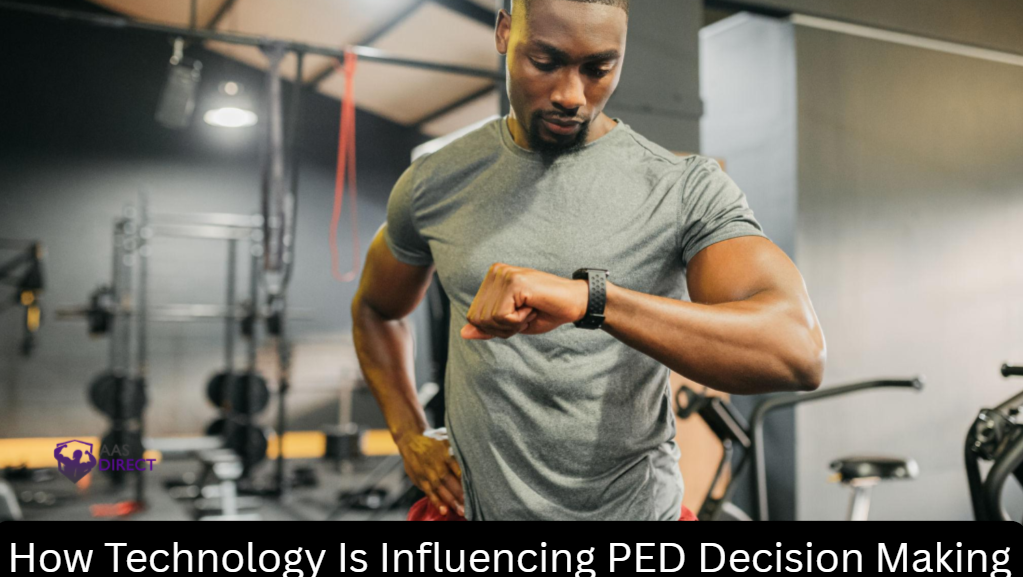
The way you and your coaches weigh the pros and cons of performance-enhancing drugs is changing because of new technology. Wearable devices now track your biometric data, and AI-powered systems are getting better at analyzing blood tests. Athletes can also talk about doping methods in private using encrypted networks, which makes it harder to monitor these conversations. Data analytics can give you more information, but it still can’t take the place of a thorough medical check-up.
Data Analytics and the PED Decision: What Athletes and Coaches Are Calculating
Data analytics has gradually changed how coaches and athletes make decisions about performance, including choices about using performance-enhancing drugs. Instead of just trusting your instincts or your coach’s advice, you now look at data from wearables, recovery scores, and health dashboards to better understand how your body reacts to training.
Still, having more information does not always lead to better decisions. There are many unknowns when judging how risky these drugs are, like long-term organ stress, hormonal changes, and how each person’s genes react to the drug.
You might believe it’s safe to continue if your short-term data looks good, but that’s not always true. Data analytics can help you learn more, but it can’t reveal what you don’t know or replace a doctor’s expertise.

The Biometric Data Wearables Reveal and What Athletes Are Hiding
Wearable technology can show heart rate patterns you wouldn’t notice on your own, like changes in resting heart rate, heart rate variability, sleep stages, and how much you’ve trained. For people using steroids, seeing good recovery scores or steady sleep data can feel reassuring and make it seem like everything is fine.
In a clinical context, biomarker monitoring wasn’t included in the original design of wearable devices. Wearable devices were not originally designed to monitor biomarkers in a clinical sense. They measure indirect signs, not direct ones. For example, a normal resting heart rate does not mean your cholesterol, liver function, or hormones are healthy. These digital tools show signs linked to good performance, not signs of stress inside your body. When the device only displays the data that you want to see, it’s simple to record only the positive figures and overlook the warning signs.
How Athletes Share Doping Strategies Using Encrypted Networks
Algorithms can’t pick up on what athletes say in private, unlike the data from their devices. Open forums are no longer the main place to talk about steroids and similar substances. Now, people use encrypted messaging apps and private channels, which search engines and AI filters usually can’t detect.
You give more personal information regarding your health, the safe way to ride a bike, and how. On private platforms, you often share more personal details about your health, safe cycling, and risk management than you would in public. The problem is, you’re still getting advice from peers you can’t always trust—it’s just happening in private now.

How AI-Powered Drug Detection Is Outpacing Modern Doping Methods
Encrypted networks can hide conversations, but they can’t hide physical evidence. Today, AI-powered detection systems can analyze bloodwork data more accurately than even advanced doping programs. When these systems review lab results from many athletes, they spot unusual patterns that people might miss.
People working to prevent doping have seen how digital drug information affects lives. AI in detection systems can find unusual biomarker patterns, even if no banned substance is found. Long-term biological passport data shows that small changes in hormones or blood counts add up over time.
If you believe technology only helps users, you might overlook how these same tools are also used to catch them.
What Technology Means for the Future of PED Prevention in Sport
As technology improves detection, PED prevention is also changing. Detection tools are getting faster, more sensitive, and harder to avoid. Long-term biological passport programs now set personal baselines, making it easier to notice small changes in the body instead of just looking for certain substances.
This change matters for you as an athlete because smarter detection means more responsibility. It also shows that governments are paying more attention to long-term health effects.
Making good choices about performance-enhancing drugs is not just about passing tests. It also means understanding that anti-doping systems are changing along with the drugs. Technology may not stop doping, but it is closing the gap between risk and real results.