



A daily mobility routine trains your body to control movement through its full range of motion while building strength and stability at end ranges. It supports joint health, improves movement quality, and helps prevent injuries by enhancing control in challenging positions. Target key areas like your hips, shoulders, thoracic spine, and ankles consistently. Even 10–15 minutes daily makes a measurable difference.
What a Daily Mobility Routine Actually Does for Your Body
A daily mobility routine does more than just loosen tight muscles. It trains your body to control movement through its full range of motion actively. Unlike passive flexibility work, mobility training builds strength and stability at end ranges, meaning your joints can handle real-world demands without breaking down.
Consistent practice directly supports joint health by reinforcing how your body moves under load. You’re improving movement quality, so every rep, step, and lift becomes more efficient.
It matters for injury prevention because most injuries happen when your body moves into a range it can’t control.
By training that control daily, you’re building a more resilient, coordinated system that performs better and stays healthier longer.

The Key Joints Your Daily Mobility Routine Should Target
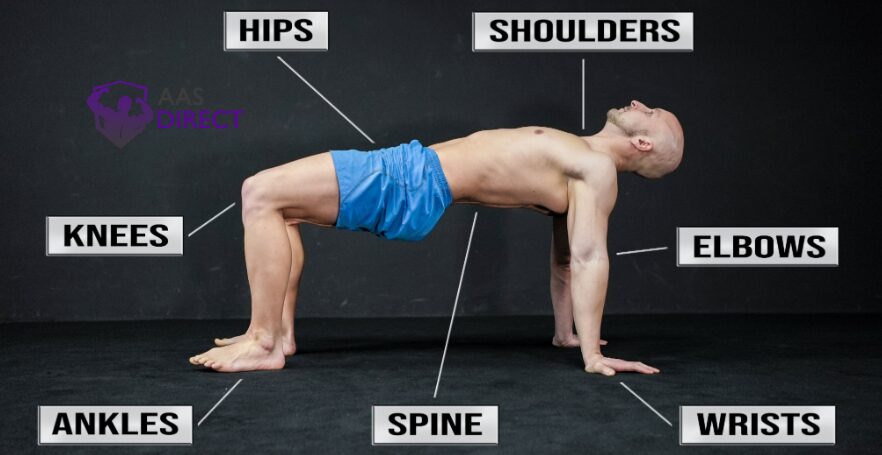
Not every joint needs the same attention, but four areas have an outsized impact on how your hips, shoulders, thoracic spine, and ankles move and feel.
Hip mobility drives nearly every lower-body movement, from squats to sprints. Restricted hips force your lower back to compensate, creating pain and poor mechanics over time.
Shoulder mobility keeps your upper body functioning without impingement or strain, especially during pressing and pulling movements.
Thoracic spine mobility supports rotation and upright posture, directly improving movement flow between your upper and lower body.
Ankle mobility affects your balance, squat depth, and running mechanics more than most people realize.
When you address all four areas consistently, you’ll move more freely, perform better, and reduce the strain that builds into injuries.
When and How Often to Do Your Daily Mobility Routine
Consistency matters more than perfect timing when it comes to your daily mobility routine. Whether you train in the morning or evening, what matters is showing up regularly. Ideally, you’ll want to move through your routine at least once daily to maintain your range of motion and joint health.
Use mobility work as part of your warm-up routine before training, incorporating dynamic stretching and muscle activation drills to prepare your body for movement. It also works well as one of your recovery methods after intense sessions, helping reduce stiffness and improve circulation.
Even on rest days, a short 10–15 minute flow keeps your joints responsive and your movement patterns sharp. The more consistent you are, the faster you’ll notice lasting improvements.
Your Complete Daily Mobility Routine, Step by Step
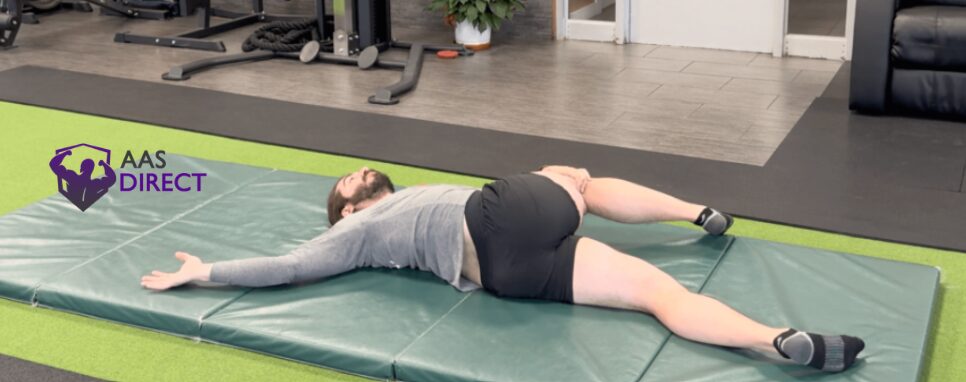
Whether you’re training for performance or just moving better day to day, having a structured routine removes the guesswork and keeps you progressing. Start with two to three minutes of foam rolling on tight areas like your hips, thoracic spine, and calves to prepare your musculoskeletal system for movement.
Follow that with joint rotations at the ankles, hips, and shoulders to build control through your full range. Then move into dynamic lower and upper body drills covering the key areas discussed earlier.
Finish with active recovery holds, like deep squat or hip flexor stretches, to reinforce end-range mobility. Done consistently, this daily flow directly supports functional performance, reduces stiffness, and keeps your joints responding well to the demands you place on them.
Signs Your Daily Mobility Routine Is Working
Sticking to a daily mobility routine takes commitment, and knowing it’s actually paying off keeps you motivated to stay the course. Progress isn’t always dramatic, but the signs are clear once you know what to look for.
You’ll notice deeper squats without compensating, smoother shoulder movement overhead, and less stiffness when you wake up or sit for long periods. Your lifts feel more controlled, and everyday movements like bending or reaching become effortless.
Reduced joint discomfort during workouts is another strong indicator. You’re recovering faster between sessions, and your posture naturally improves without conscious effort.
If you’re moving better, feeling less restricted, and experiencing fewer nagging aches, your routine’s working. Trust the process and keep showing up consistently.

It is hard to get a true representation of how good these products are because they never arrive. I have waited for an order for a month or more thee guys are not ethically motivated. THEY ARE THIEVES AND AVOID ANY INTERACTION if the products do not arrive 803-289-8190 is my phone number if anyone want to hear the truth about these folks USE ANOTHER SOURCE