



To stay safe and get stronger with deadlifts, focus on the right setup, bracing, and movement. Choose the lift variation that suits your body, like conventional, sumo, or trap bar. Keep the bar close and your feet hip-width apart. Tighten your core before lifting the bar. Avoid jerking the weight or overextending at the top. Master the technique first, then gradually add weight.
Which Deadlift Variation Should You Be Doing?
The right deadlift for you depends on your body type, training goals, and current weaknesses. Not everyone does best with the standard stance. Try different types of deadlifts, like sumo, Romanian, or trap bar, to see which fits you. Each variation helps you focus on different aspects of your form.
For example, Romanian deadlifts help you control your hamstrings, while deficit deadlifts target weaknesses when lifting the bar off the floor.
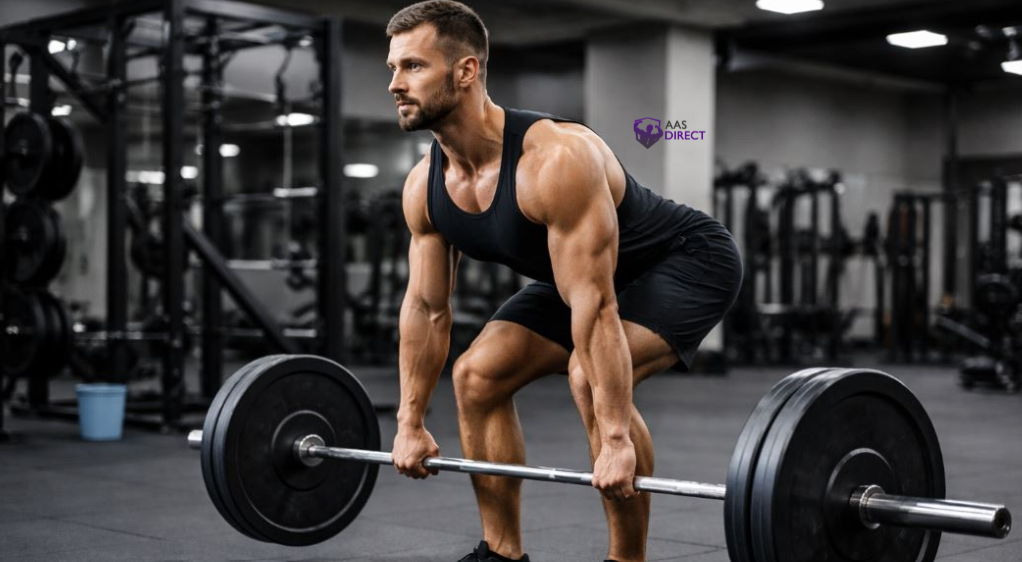
Once you pick a deadlift variation, combine it with steady, gradual increases in weight to build strength and avoid repeating mistakes. Instead of jumping to heavier weights before your technique is solid, increase your workload slowly. Exercises like block pulls and paused deadlifts can help you address specific weaknesses. Choosing the right variation is not just about preference; it sets you up for long-term, controlled strength gains.
Set Up Your Stance and Grip Before You Touch the Bar
Before you grab the bar, focus on your foot placement and grip. Start by positioning your feet with a slight outward angle and keep them hip-width apart. Your shins should be about an inch from the bar. Bend at your hips and push them back until your hands reach the bar. Avoid squatting too low or letting your hips rise too high. Keep your arms straight and grip the bar firmly. Straighten your back and brace your core before lifting. This tension keeps your body stable as you start the lift.
Engage Your Core and Lock In Your Spine
To keep your pull controlled and avoid losing form, brace your back after gripping the bar. Take a deep breath into your belly and tighten your core as if preparing for an impact before you lift. This bracing creates pressure in your abdomen, which supports your back during the movement.
For the correct deadlift technique you need to maintain that tension as itTo use proper deadlift technique, keep that tension throughout the lift. This lets force move efficiently through your body without losing strength in your midsection. If your brace gives out during a rep, your lower back will take on stress it shouldn’t have. the rep. To safely learn how to deadlift, you should first think of each rep as a tension exercise for the whole body. body.
Fix These Deadlift Form Mistakes Before They Hurt You

It’s possible for even experienced lifters to get into bad technical habits that make them less effective at pulling. The worst mistakes often feel normal until the load gets heavy enough to show them. When you start the deadlift with your hips too low, it changes into a squat, which messes up the mechanics of your hip bend before the bar even leaves the floor. When you set them too high, they put too much weight on your lower back.
If the bar moves forward during a deadlift instead of staying close, you lose force because the lift becomes harder. Jerking the bar instead of building tension also causes you to lose control. You don’t need to lean back at the top; the rep ends when your hips are fully extended.
Identify the mistakes you make during your deadlift and correct them before increasing the weight
How to Add Weight to Your Deadlift Without Breaking Down
To increase your deadlift weight without losing good form, use planned progressive overload instead of chasing numbers. Add small amounts of weight, like two and a half to five pounds per session or week, so your body can adapt without changing your position or bracing.
When a weight starts to mess up your form, it means you should be holding on tight rather than pushing forward. You should spend more time working on the technique at that level of load before you go any further. Different variations (Romanian deadlifts, paused deadlifts, block pulls etc.) can be used to work on the specific weakness and you can keep the volume quite low.
The value of the repetition is more important than the number on the bar. If you’re just doing bad reps in order to get to the next weight, you’re going to end up with some terrible movement patterns which will ultimately stop you growing.