


Foraging for wild magic mushrooms isn’t as simple as grabbing whatever looks right in a field. You’ll need to understand your local laws, since psilocybin remains federally illegal, though some cities have decriminalized it. Always confirm identification using spore prints, bruising reactions, and gill structure.
Toxic lookalikes like Galerina marginata can be deadly. Stick to pastures and wood chip beds during autumn for the best results. Keep exploring to master every critical detail.
Magic Mushroom Foraging Laws
Before you head out with a basket and field guide, you need to understand that foraging wild psilocybin mushrooms puts you in legally complex territory across the United States. Magic mushroom foraging laws vary greatly by state, county, and municipality.
Some cities like Denver and Oakland have decriminalized possession, but federal law still classifies psilocybin as a Schedule I controlled substance.
Legal considerations extend beyond simple possession. Harvesting from public lands adds additional charges in many jurisdictions. You’ll want to research local regulations thoroughly before stepping outside.
Harm reduction starts with legal awareness, not just safe identification practices. Ecosystem awareness matters too. Even where laws are lenient, overharvesting damages natural habitats. Always know exactly where you stand legally before proceeding.
How to Identify Magic Mushrooms in the Wild
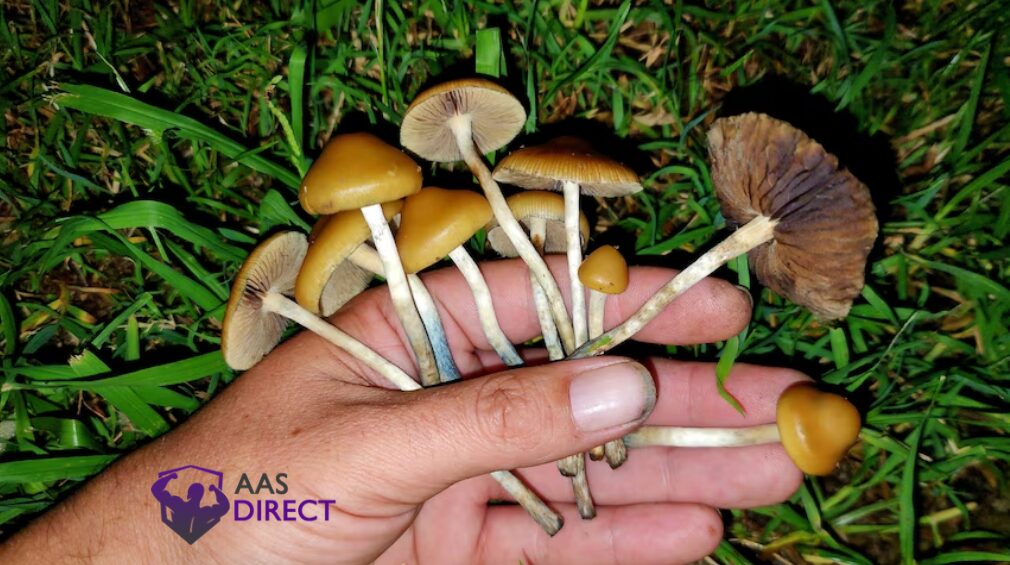
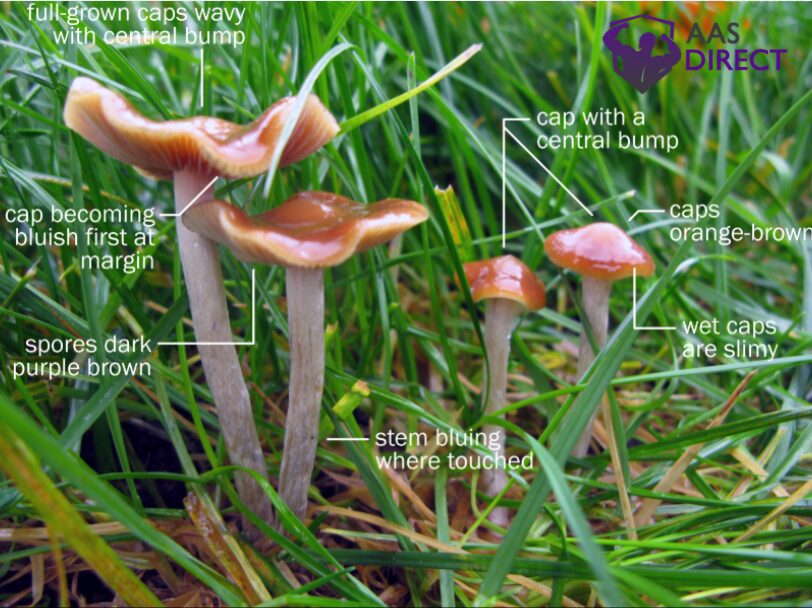
Mastering three core identification markers. Spore print color, bruising reaction, and gill structure give you the foundation for distinguishing Psilocybe species from dangerous lookalikes in the field.
For spore prints, place the cap gill-side down on paper for several hours; Psilocybe species typically produce dark purple-brown prints. You’ll also want to watch for bluish bruising on the stem or cap when handled, indicating psilocin oxidation.
Fungal identification doesn’t stop at visual cues. Habitat identification matters greatly. Knowing whether wild mushrooms grow in dung-rich pastures, woody debris, or disturbed soils narrows your candidates considerably.
Never underestimate toxic lookalikes like deadly Galerina marginata, which shares similar coloring and size. When identification isn’t absolute, don’t consume. Confidence comes from combining multiple markers, not just one.
Toxic Lookalikes That Have Fooled Beginners Before
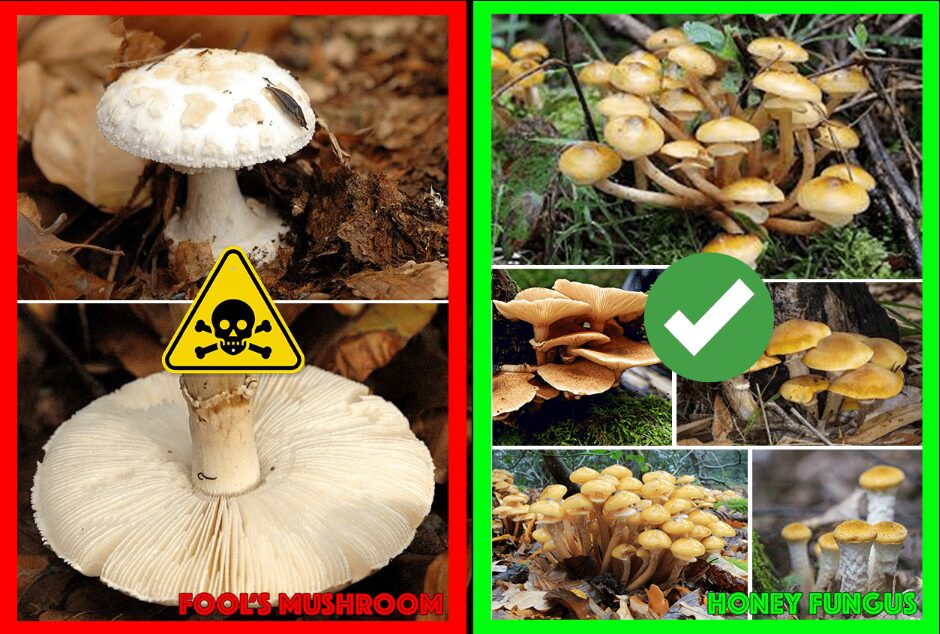
Toxic lookalikes have tripped up even cautious beginners, and understanding them isn’t optional. It’s the difference between a safe forage and a medical emergency.
When you’re mushroom foraging, you’ll encounter small brown mushrooms that closely mirror psilocybe species in shape, color, and habitat. The most dangerous is Galerina marginata, a deadly species containing amatoxins that cause fatal liver failure. It grows on wood, just like many Psilocybe species, making visual separation genuinely difficult.
Your identification fundamentals must go beyond appearance. Take spore prints. Galerina marginata produces rusty-brown spores, while most Psilocybe species produce dark purple-brown prints. Know the dangerous lookalikes in your specific region before stepping outside. If you can’t confirm identification with absolute certainty, don’t consume it.
The Best Seasons and Habitats for Finding Magic Mushrooms
Knowing where and when to look dramatically improves both your safety and your success rate when foraging. Mushroom season typically peaks in autumn, though some species fruit in spring or early winter depending on your region. Understanding local mycology helps you anticipate fruiting cycles before you ever enter the field.
Habitat matters enormously. Psilocybe species commonly appear in pastures, wood chip beds, decaying wood, and grassy areas with rich organic matter. Avoid roadsides and industrial zones where contamination is a real concern.
When you locate a specimen, don’t rely solely on cap and stem morphology. Always take a spore print to confirm spore color, since toxic lookalikes can share nearly identical physical features. Combining habitat knowledge with proper identification techniques keeps foraging both productive and safer.
Field Gear Every Magic Mushroom Forager Actually Needs
Having the right gear transforms a foraging trip from frustrating guesswork into a focused, safer exercise. You’ll want a regional field guide covering local species, including dangerous amanita species that closely resemble edible or psychoactive mushrooms. A hand lens magnifies gill attachment details you’d otherwise miss entirely.
Carry small paper bags to store specimens without trapping moisture, which distorts identification features. A spore print card helps confirm spore color back at camp. A knife with a flat edge lets you observe the bruising reaction when you slice the flesh carefully.
A notebook documents cap shape, habitat, and color accurately while memory fades. Don’t rely solely on smartphone apps. They produce misidentifications regularly. Proper gear combined with disciplined study keeps every foraging session both productive and genuinely safe.