


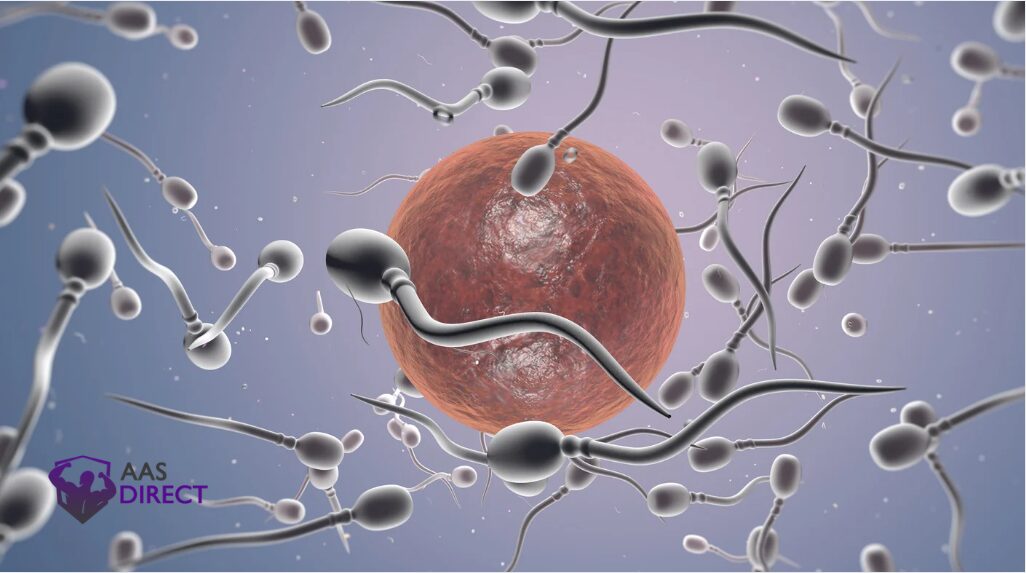
An increasing number of couples face challenges with conception due to issues related to male fertility. While lifestyle factors and environmental exposures contribute to this issue, many cases stem from hormonal imbalances that interfere with sperm production.
One therapeutic option that has shown consistent benefits in addressing this problem is the use of human chorionic gonadotropin, commonly known as HCG. HCG 5000 has gained recognition as an effective therapeutic dose for boosting testosterone levels and improving both sperm count and motility in men dealing with fertility problems.
Understanding Male Fertility and Hormonal Balance
The quality and quantity of sperm the testes produce primarily determine male fertility. Successful conception relies on several key sperm characteristics, including count, movement, shape, and genetic integrity. The hypothalamic-pituitary-gonadal axis strongly influences these factors by maintaining hormonal balance.
The HPG axis governs the release of LH and follicle-stimulating hormone (FSH), both of which are vital for testicular function. Luteinizing hormone signals the Leydig cells in the testes to produce testosterone, and follicle-stimulating hormone helps the Sertoli cells facilitate sperm development. A disruption in this hormonal signaling, whether due to stress, medications, medical conditions, or previous testosterone therapy, can suppress natural sperm production and compromise fertility.
Restoring this balance without suppressing endogenous testosterone or sperm production is a major goal in treating male infertility, and this is where HCG proves particularly useful.

How HCG 5000 Supports Sperm Production
HCG is structurally similar to LH and binds to the same receptors in the testes. When administered as HCG 5000, it stimulates the Leydig cells to increase testosterone production directly within the testes.
External testosterone therapy often triggers feedback inhibition of the HPG axis, which leads to a decline in sperm production. In contrast, HCG supports the body’s natural testosterone production without suppressing this hormonal pathway.
By enhancing intratesticular testosterone levels, HCG helps maintain a hormonal environment that is conducive to spermatogenesis. Sperm cells develop in the seminiferous tubules, a process that depends not only on testosterone but also on the support from Sertoli cells. Elevated testosterone within the testes ensures the Sertoli cells function properly and continue to support sperm development.
This mechanism makes HCG particularly effective for men whose fertility issues stem from secondary hypogonadism or suppressed gonadotropin release. In such cases, using HCG 5000 can restore physiological testosterone levels in the testes and reinitiate sperm production even after a period of suppression.
Evidence Supporting HCG for Improving Sperm Count and Motility
Multiple clinical studies have examined the role of HCG in improving male fertility. Research indicates that HCG, either alone or in combination with FSH, significantly increases sperm count and motility in men with low testosterone and compromised spermatogenesis. One widely referenced study showed that men treated with HCG experienced marked improvements in sperm concentration and motility over several months, with some achieving successful conception during or shortly after therapy.
Many treatment protocols involve administering HCG 5000 two to three times per week to achieve a stable rise in intratesticular testosterone. In some cases, physicians combine HCG with recombinant FSH to maximize the stimulation of spermatogenesis. The combination is especially helpful for men who have very low sperm counts or who are recovering from prior testosterone suppression.
Sperm quality metrics, including progressive motility and total motile sperm count, tend to improve gradually over three to six months of consistent therapy. Clinicians often confirm improvements through follow-up semen analyses and hormonal evaluations.
HCG 5000 in Post-Testosterone Therapy Fertility Restoration
One of the more specific uses of HCG 5000 is in men who previously used testosterone therapy and are now experiencing infertility. Exogenous testosterone suppresses LH and FSH production by signaling the pituitary gland to stop releasing these hormones. As a result, the testes reduce or stop sperm production, often leading to temporary infertility.
Clinicians frequently use HCG as part of a post-cycle fertility restoration protocol. By mimicking LH, it reactivates the Leydig cells, restoring testosterone production within the testes. This process promotes an environment that encourages sperm development to resume. Some treatment plans add clomiphene citrate or FSH to stimulate the hypothalamic-pituitary pathway further or directly support Sertoli cell function.
Patients typically begin seeing hormonal improvements within the first few weeks. Still, the return of sperm in the ejaculate can take several months, depending on individual physiology and prior treatment duration.
Safety and Monitoring Considerations
Although most patients generally tolerate HCG 5000 well, healthcare providers must supervise its use to ensure safe and effective outcomes. Possible side effects include testicular discomfort, acne, mood swings, or fluid retention, though these are relatively uncommon at therapeutic doses. Occasionally, overstimulating the testes can raise estradiol levels, potentially leading to side effects like breast sensitivity or the development of gynecomastia.
Monitoring includes periodic blood tests to check testosterone, estradiol, LH, FSH, and semen analysis to evaluate treatment efficacy. Physicians may also assess sperm DNA fragmentation and oxidative stress markers in cases of unexplained infertility. Clinicians often base dose adjustments on clinical response, hormone levels, and semen quality over time.
It is important to avoid self-medicating with HCG, as incorrect dosing or lack of monitoring can undermine fertility goals or cause adverse effects.

Frequently Asked Questions
What is HCG 5000, and how does it work for male fertility?
HCG 5000 is a dosage of human chorionic gonadotropin that mimics the action of luteinizing hormone, stimulating the testes to produce testosterone and supporting sperm development.
How long does it take for HCG to improve sperm count and motility?
Most men begin to see improvements in sperm count and motility within three to six months of consistent HCG therapy, although individual responses can vary.
Can HCG be used after stopping testosterone therapy to restore fertility?
Yes, HCG is commonly used to help restart natural testosterone production and sperm development after testosterone therapy has suppressed the body’s hormonal signals.
Is HCG 5000 safe to use for fertility treatment?
When used under medical supervision, HCG 5000 is generally safe and well tolerated. Regular monitoring helps ensure appropriate dosing and minimizes side effects.
Can HCG improve sperm quality as well as count?
Yes, HCG not only increases sperm quantity but also enhances motility and overall quality, which are critical for successful conception.