



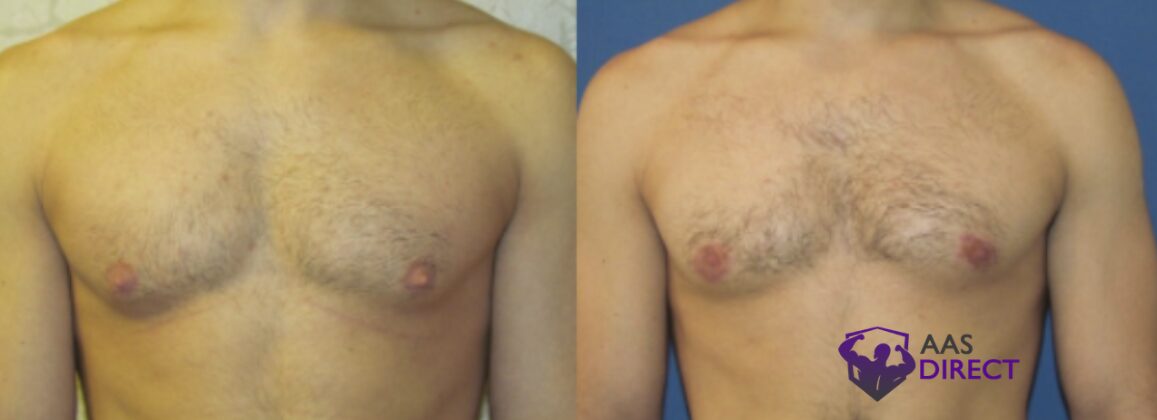
Gynecomastia, which is the growth of extra breast tissue in men, is a common and annoying side effect of anabolic steroid use. Steroids can help muscles grow faster and improve performance. Still, they can also mess up the body’s natural hormone balance, which can cause changes in the chest area associated with estrogen.
The good news is that you can lower your chances of getting gynecomastia while using anabolic chemicals by preparing ahead, learning, and using preventative measures.
How Steroids Trigger Gynecomastia Development
When you take anabolic steroids, you are essentially flooding your body with synthetic testosterone, which sets off a chain reaction of hormonal changes. Your body responds by turning more testosterone into estrogen through a process called aromatization. It mostly happens in fat and muscular tissue.
This conversion of estrogen causes a hormonal imbalance that makes estrogen levels rise, which makes breast tissue develop and causes gynecomastia.
Steroids such as testosterone, dianabol, and nandrolone are more likely to convert into estrogen when used. Aromatase is an enzyme that changes these androgens into estradiol, which is the strongest form of estrogen.
When estrogen levels rise more than androgens, sensitive breast tissue grows in response. This process can start just a few weeks after starting a cycle; it’s important to recognize it early and stop it to avoid irreversible tissue growth.
Dosage, Timing, and Cycle Planning for Prevention
You can’t completely get rid of the risk of gynecomastia, but careful dosage control and cycle planning can make it far less likely that you’ll develop breast tissue growth. If you’re new to anabolic steroids, start with small doses and short cycles. Less aromatization and less estrogen conversion happen with lower dosages.
Before starting any cycle, make a plan for how you will dose yourself to keep from getting sick. Find out which substances need aromatase inhibitors and when to provide them. Some people need AIs right away, while others can wait till they have symptoms.
Check your hormones regularly during your cycle to find estrogen surges early. Get blood tests every four to six weeks to check your testosterone and estrogen levels.
Finally, plan your post-cycle therapy before you start. When you move off cycle, having SERMs and recovery plans available will help you keep your hormones in balance.
Your First Line of Defense is Aromatase Inhibitors
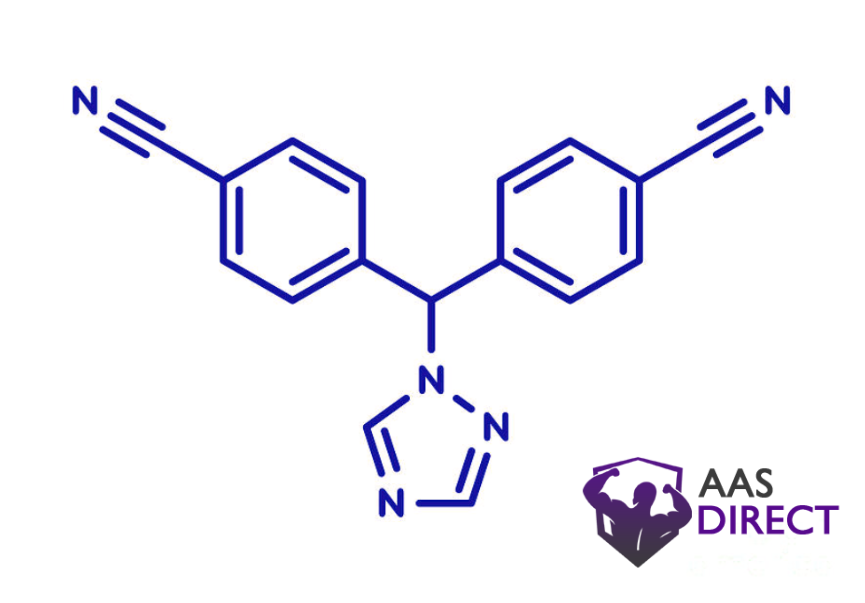
Three aromatase inhibitors are the most popular among steroid users: Arimidex (anastrozole), Aromasin (exemestane), and Letrozole (Letrozole). These aromatase inhibitors stop the enzyme that turns testosterone into estrogen, which is important for controlling estrogen levels during your cycle.
Arimidex provides moderate power and can be reversed, making it a good choice for beginners. Aromasin stops enzymes from working more strongly and permanently, and it won’t start working again when you stop taking it. Letrozole lowers estrogen levels the most, but you have to be careful about how much you take so that your levels don’t drop too low.
Start with smaller doses and change them based on what your blood work shows. striking the right level of testosterone requires striking the right balance between keeping estrogen levels low enough to stop breast tissue from forming and high enough to keep your joints healthy and your mood up.
To control side effects well, you need to keep an eye on them and make little changes over time instead of giving more medicine when they happen.
Smart Steroid Selection to Minimize Gyno Risk
Your choice of compounds is the most important part of preventing gynecomastia, along with controlling estrogen using inhibitors. Different steroids have different rates of aromatization, which affects how much anti-estrogen you need during cycles.
Anavar, Winstrol, and Primobolan are examples of low-aromatizing drugs that change very little into estrogen, which lowers the chance of gynecomastia significantly.
Moderate aromatizers, such as testosterone, necessitate vigilant oversight and the possible use of selective estrogen receptor modulators (SERMs). High-risk drugs like Dianabol and testosterone cypionate need strong estrogen control.
Before stacking, it’s important to look into each compound’s aromatization profile as part of good pre-cycle planning. Think about switching to safer steroids that work the same way as the ones you’re using now.
This smart way to be safe while bodybuilding means you don’t have to rely on strong anti-estrogens as much, and you can keep your gains and lower your adverse effects throughout your cycle.
Early Warning Signs and How to Respond in an Emergency
How quickly may gynecomastia start to happen after estrogen levels go up? You may start to feel symptoms within a few days of having higher estrogen levels. Sensitivity, discomfort, or a little lump under the areola are all early indicators. Don’t disregard these signs; taking action right away stops male breast tissue from growing permanently.
When you respond to an emergency, you should temporarily lower or stop using aromatizing medications and start using selective estrogen receptor modulators (SERMs) such as tamoxifen or raloxifene. These drugs stop estrogen from affecting breast tissue, but they don’t get rid of the hormone’s benefits in other parts of the body.
Keep an eye on your symptoms every day during this time. If soreness lasts longer than 48 to 72 hours even after treatment, you might want to add an aromatase inhibitor to your SERM program.
Write down everything for future PCT protocols and planning for endocrine modulation. If you can quickly recognize and respond to the problem, you will only have transient pain or tissue growth.