



To stay lean over the summer without losing any muscle you need a fairly modest 15-20% calorie deficit, protein intake above maintenance and consistent training intensity with progressive overload. Daily weight will fluctuate due to water and glycogen so trend averages over 7-14 days are the way to go. Strength retention and the photos are the real indicators of progress. Heat, social events and appetite will all come into play and make it difficult to stick to the plan so hydration and flexibility are key. The sections that follow detail precisely how to structure each piece to achieve lasting results.
Build Your Summer Cutting Diet Around a Moderate Deficit
Because panic sets in around May, most people just go with the steepest deficit they can tolerate (thinking that speed = effectiveness). A moderate calorie deficit (around 15-20% below maintenance) will slow the fat loss just enough to preserve the lean mass while still giving you some visible results by summer. If you go too aggressive with the deficit you’ll lose weight at an accelerated rate but you’ll lose muscle in the process (and that’s the opposite of what you’re after in terms of physique).
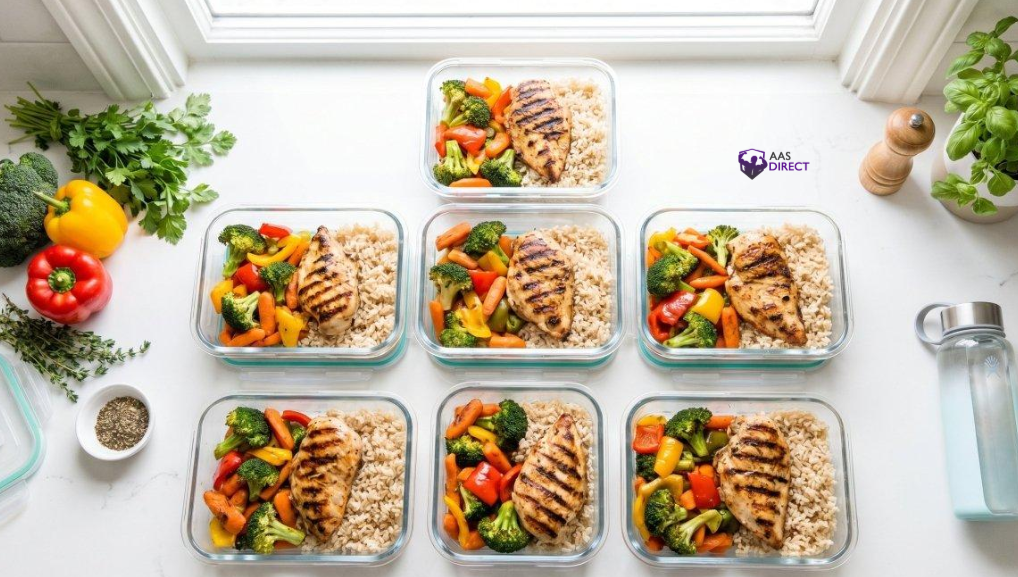
Effective muscle retention strategies start with calories. You need to pair that deficit with regular protein distribution across 3-4 meals to facilitate multiple bouts of muscle protein synthesis. Training intensity has to remain high, you simply can’t reduce the load in parallel with the calories as that removes the stimulus for muscle retention. Hydration advice is important too in that you need to be properly hydrated to support performance and recovery, rather than resorting to manipulated dehydration which only gives you a temporary look of definition.
Protect Muscle With Protein and Heavy Training
Protein intake is the floor under which you can’t possibly retain muscle. If you’re in a deficit, your protein requirements go above maintenance levels as the body becomes less efficient at utilising amino acids when energy is restricted. Get your lean protein (poultry, fish, eggs, dairy, legumes) and spread it across 3-4 meals a day. The timing of the intake is less important than just getting the daily total in.
Training intensity must remain high even as the calories drop. A very common error is to reduce the weights “to match the deficit” which in effect speeds up the rate of muscle loss. Progressive overload is still the main signal to the body that it should retain muscle, even if you’re slightly reducing the volume for recovery purposes. The best evidence that your retention efforts are working is that you’ve maintained strength across your key lifts.
Track Fat Loss, Not the Scale
Why will the scale stall even when the mirror is showing you progress? Daily weight is a reflection of water, glycogen and gut content as much as it is of fat mass. One of the biggest misconceptions people have about the scale is that a single reading is data. It’s actually just noise until you’ve looked at it over a period of weeks. Body composition changes far more slowly and erratically than body weight so trend weight (averaged over a 7 to 14 day period) is a far better signal than any one morning number.
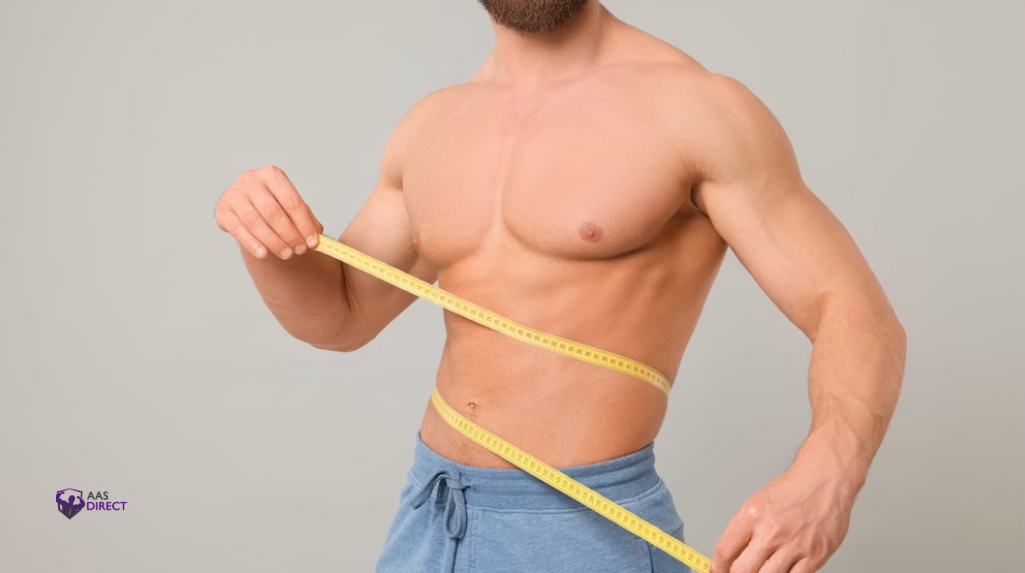
Reliable progress tracking is weight trends plus progress photos, girth measurements and gym performance. Strength maintained under a sustained load is a very good proxy for muscle retention. If you’re maintaining strength whilst your weight trends down then you’re losing fat with minimal loss of lean tissue (regardless of what the scale is telling you on a day to day basis).
Beat Summer Heat, Social Events, and Appetite Swings
Summer brings in all sorts of variables that have nothing to do with macros and everything to do with compliance. The heat increases sweat rate so your hydration strategy is important (water plus electrolytes (sodium, potassium) around training rather than just water) for performance and recovery. Heat acclimation takes one to two weeks and during that period you’ll find your perceived exertion goes up and your appetite will often be down, which will mask your actual energy requirements. Don’t take the heat-induced drop in appetite as an indicator of fat loss.
Social eating (barbecues, travel, drinks etc) is actually the thing that poses a greater threat to consistency than any one meal. Flexible dieting deals with this far better than a rigid plan. You can bank your calories throughout the week, you can go to a social occasion and prioritise protein, you can treat alcohol as a planned expense. Appetite control is improved by having protein and fibre at each meal which in turn reduces the likelihood that heat, fatigue or a full calendar will lead to overcorrection later on.
Handle Cutting Plateaus Without Losing Muscle
If you’re at a plateau and it’s been going on for two or three weeks despite full adherence, the natural instinct is to go further with the calorie cut or add another session of cardio. That’s usually the wrong approach. The right way to manage a plateau is to look at the trend of weight, sleep and stress first before you even think about altering the diet. Water retention from cortisol, poor sleep or travel can completely mask fat loss. If you’re certain you’re adherent and the plateau is still there then small tweaks to the diet (a modest calorie reduction or a few extra steps per day) are far better than any big change. Training intensity should be kept the same or increased slightly. If you go down in weight, that’s the body’s signal to lose muscle rather than fat. A short diet break at maintenance calories can actually be the most effective way of getting the body back into balance and re-establishing adherence. Recovery via good sleep and reduced life stress will often resolve the plateau far more quickly than any further restriction.