


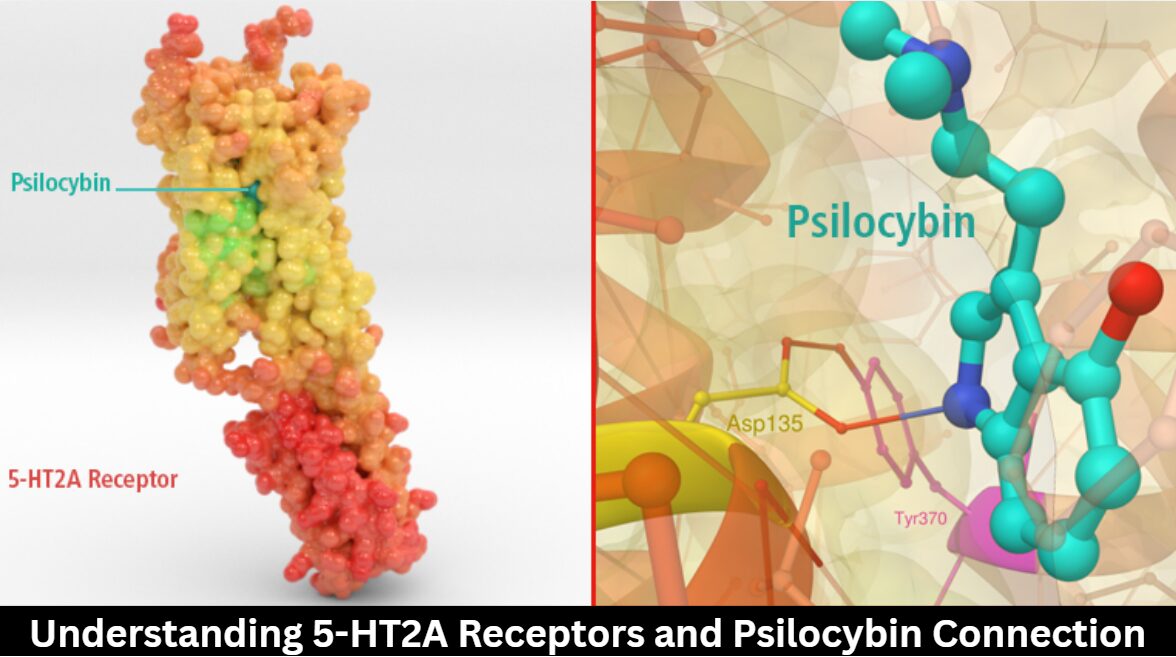
When you take psilocybin, your body converts it into psilocin, which mimics serotonin and binds strongly to 5-HT2A receptors in your Brain’s cortex. These receptors regulate your mood, perception, and cognition. Psilocin’s prolonged activation disrupts your Brain’s default neural patterns, triggering altered sensory experiences and heightened emotional awareness. This same disruption shows promise for treating depression, anxiety, and PTSD.
What Are 5-HT2A Receptors and How Do They Work?
5-HT2A receptors are a subtype of serotonin receptors primarily found in the Brain’s cortex, where they help regulate mood, perception, and cognition. They’re a critical part of the serotonin system, influencing how your Brain processes sensory information and constructs your experience of reality.
When these receptors are activated, they alter neural signaling, shifting how different brain regions communicate with one another. This disruption of normal patterns can lead to altered perception, changes in thought, and heightened emotional awareness.
Psilocybin works by targeting these exact receptors. Once metabolized into psilocin, it binds strongly to 5-HT2A receptors, temporarily changing how your brain functions. Understanding this mechanism is essential to grasping why psilocybin produces such profound shifts in consciousness and perception.
How Does Psilocin Bind to 5-HT2A Receptors in the Brain?
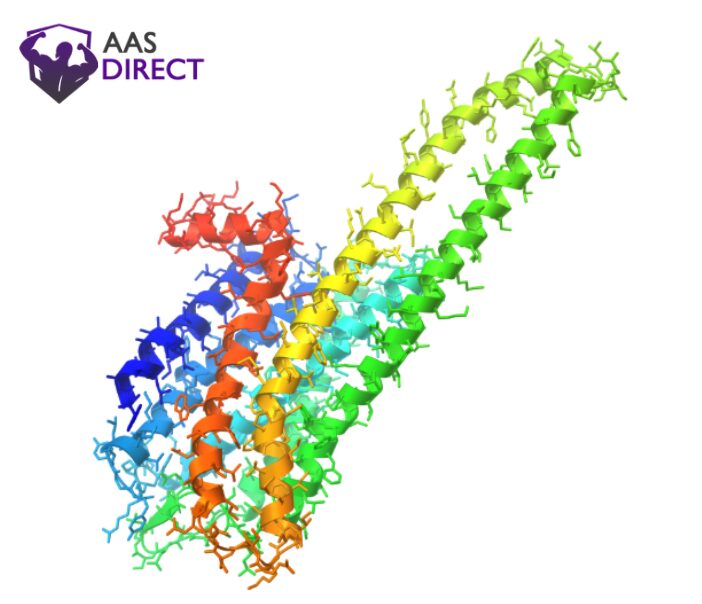
Once psilocybin enters your body, it’s rapidly converted into psilocin in the liver and gut. This active compound then travels through your bloodstream and crosses the blood-brain barrier, where it begins interacting directly with 5-HT2A receptors concentrated in your cortex.
Psilocin binding occurs because psilocin’s molecular structure closely mimics serotonin, allowing it to fit into these receptor sites with high affinity. Unlike natural serotonin modulation, psilocin activates 5-HT2A receptors more persistently, disrupting standard neural signaling pathways.
This prolonged activation shifts how your brain processes sensory information, fundamentally altering perception. Your Brain’s default communication patterns become destabilized, creating unusual connections between regions that don’t typically interact. The result is the characteristic perceptual and cognitive shifts associated with psilocybin experiences.
Why Does 5-HT2A Activation Trigger Altered Consciousness?
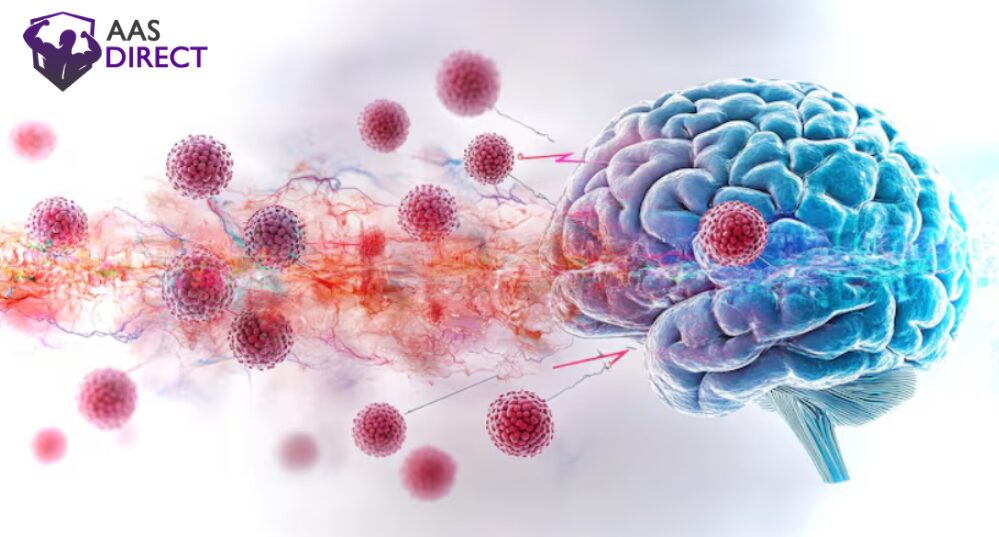
When psilocin saturates your 5-HT2A receptors, it fundamentally rewires how your Brain constructs reality in the moment. These receptors sit within cortical regions that govern sensory interpretation and self-awareness, so their activation directly disrupts your Brain’s default processing patterns.
Psilocybin triggers this disruption by forcing neural pathways to communicate in unusual configurations. Regions that rarely interact suddenly exchange signals, breaking your Brain’s habitual framework for filtering experience. This cross-network activity is what generates altered perception. Colors intensify, boundaries blur, and time distorts.
Your consciousness shifts because the predictive mental models you normally rely on temporarily collapse. Rather than reinforcing existing thought patterns, 5-HT2A activation creates space for entirely new perceptual and cognitive experiences to emerge.

How Does 5-HT2A Activation Make Psilocybin Therapeutically Effective?
That same disruption of your Brain’s default patterns is precisely what makes psilocybin so promising as a therapeutic tool. When psilocin activates 5-HT2A receptors, it temporarily rewires how neurotransmitters communicate across cortical regions. This shift in cortical activity loosens entrenched thought loops common in depression, anxiety, and PTSD.
You’re fundamentally getting a window where mental flexibility increases, allowing new perspectives to form. Researchers believe this neurological openness, combined with guided therapy, is where psilocybin’s therapeutic potential truly lies. Clinical trials have shown measurable reductions in depressive symptoms after even a single session.
How Researchers Are Using 5-HT2A Insights to Design Better Psilocybin Therapies
In psychedelic research, this means you’re seeing more targeted clinical designs that control dosage, set, and setting to optimize 5-HT2A engagement. Researchers are also exploring whether modified psilocybin analogs can selectively activate therapeutic pathways while reducing adverse effects.
This growing therapeutic interest has accelerated trials focused on depression, PTSD, and anxiety. Today’s studies are mapping receptor-level changes to understand why psilocybin works, building a foundation for safer, more precise psychedelic medicine.