


Cannabis dependence can happen when you become emotionally attached to it (relying on it for feelings) or when your body gets used to it (physical dependence). If you started using drugs when you were young, have mental health problems, or use high-THC products every day, you are more likely to get addicted.
Tolerance, withdrawal symptoms, and planning your life around usage are all warning signals. To lessen your risks, use less often, pick strains with less THC, keep track of how much you use, and take pauses from using. Knowing these patterns can help you have a better relationship with cannabis.
Psychological vs. Physical Patterns of Cannabis Dependence
A lot of people may use cannabis without having any difficulties, but with time, their brains and bodies might get used to it and become dependent on it. There are two main ways that this adaptation shows up: psychological and physical reliance.
When you feel like you need cannabis to deal with stress, sleep, or have fun activities that you used to enjoy without it, you are psychologically dependent on it. As your body gets used to being around cannabinoids all the time, you get physically dependent on them. You need more cannabis to have the same results.
Planning your day around cannabis usage, feeling anxious when you can’t use it, and continuing to use it even when it has negative effects are all signs of dependence. The first step to having a healthy relationship with cannabis is to understand these patterns.
Who’s Most Vulnerable to Developing Problematic Use
Cannabis affects everyone differently, but several things make it much more likely that you may get dependent on it. Starting to use drugs or alcohol early on, especially in your teens when your brain is still growing, makes you much more likely to get addicted.
Your mental health is also important. If you have a history of anxiety, depression, or substance abuse in your family, you may be more likely to develop bad drinking habits.
How you consume cannabis also affects the danger. Utilizing high-THC drugs every day or almost every day, or utilizing them to deal with bad feelings instead of for fun, are all warning indicators. Knowing these risk factors gives you the power to make changes to your behavior to be a responsible consumer.
You may greatly lower your risk of becoming dependent by keeping an eye on your patterns, taking breaks from THC, and being conscious of why you use it.
Signs and Symptoms of Unhealthy Cannabis Relationships
To know when your cannabis use goes from helpful to harmful, you need to be honest with yourself. If you need more cannabis to have the same effects, this is a symptom that you may be becoming dependent. When you stop using something and start to feel irritable, have trouble sleeping, or lose your appetite, your body has gotten used to using it regularly.
Changes in behaviour might also be telling, such as cancelling plans to use cannabis, spending too much money on it, or using it to deal with everyday stress. To use cannabis safely, you need to set limits on how much you use and be aware of how it affects your life.
Awareness is the first step in stopping cannabis addiction. You need to keep track of how much you use and be able to tell when casual usage starts to get in the way of your relationships, career, or health goals.
The Impact of Consumption Methods and THC Potency
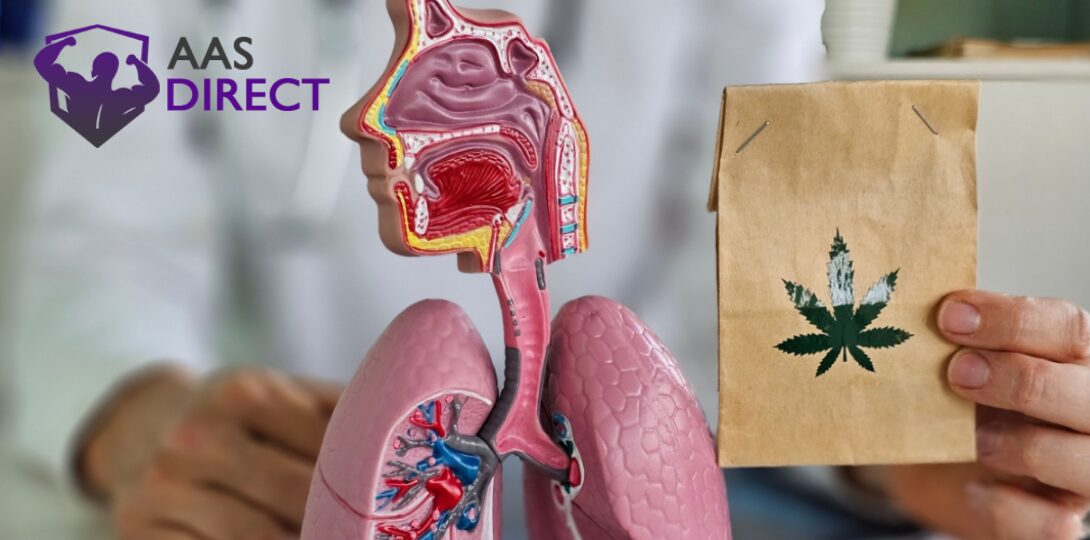
Different ways of consuming THC send it to your body at different speeds and strengths, which directly affects how likely you are to become dependent on it. Compared to smoking, vaporising and dabbing high-potency concentrates might speed up the development of tolerance, which could make withdrawal symptoms worse when you stop.
Products with more THC need careful planning for how to use them. Think about picking lower-potency choices (10–15% THC instead of 25% or more) and following cannabis safety rules, such as waiting between sessions to see how they affect you. Edibles take longer to work, but if you’re impatient and take more, you could end up taking too much.
Some good ways to limit danger are to switch up how you use the products, keep track of how often you use them, and use CBD-dominant products that satisfy your ritual needs without becoming dependent on them.
Strategies for Reducing Harm for Recreational Users
How you use what you know about cannabis in your daily life is what really matters. Instead of using it every day, try only using it on weekends or special occasions. It will lower your risk of developing a habit and becoming dependent on it.
Pay attention to how different strains influence your mind and body. A simple journal will help you figure out which items work without causing any negative side effects. Set explicit limits for yourself, including not drinking before work or other vital tasks. Also, set aside several weeks where you don’t drink at all to give your body time to adjust.
If you discover that cannabis is hurting your motivation, sleep, or mood when you’re not using it, these may be early warning signs that you should change how much you use it or get expert help.