


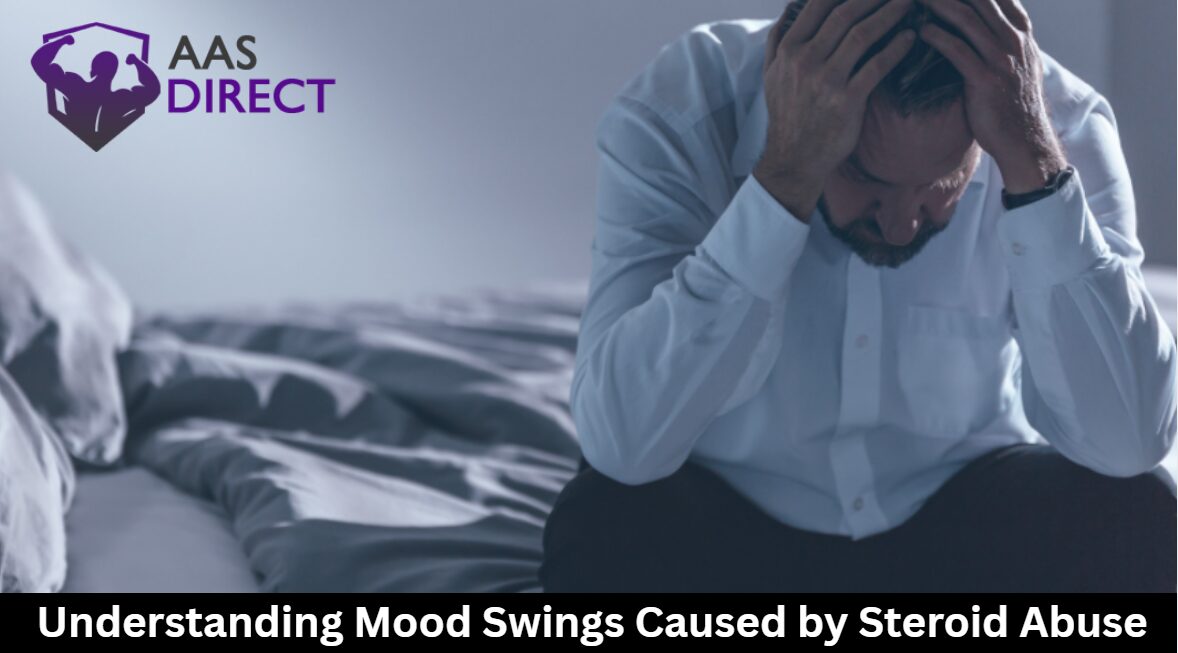
When you abuse anabolic steroids, you’re disrupting your body’s natural hormone production, which directly impacts your brain’s emotional regulation systems. It can trigger unpredictable mood swings, intense irritability, anxiety, and depression, often without an obvious cause.
Your genetic makeup, mental health history, and dosage levels all influence how severely you’re affected. These effects can last weeks or even months after you stop. The full picture of what’s happening goes much deeper.
How Steroids Trigger Mood Swings Through Hormonal Disruption
When you abuse anabolic steroids, your body’s natural hormone production gets thrown off balance, triggering a cascade of psychological effects that can be difficult to control. Steroid abuse effects extend beyond physical changes, directly disrupting the brain’s neurotransmitter systems that regulate emotions.
Hormonal imbalances caused by excessive testosterone levels interfere with your brain’s normal chemical signaling, making emotional regulation challenges increasingly common.
You’re more likely to experience aggression and irritability as elevated androgens overstimulate stress-response pathways. These anabolic steroid-induced mood swings aren’t simply personality flaws. They’re neurochemical responses to artificial hormonal disruption.
Your brain struggles to maintain equilibrium when synthetic hormones flood your system, weakening natural feedback mechanisms. 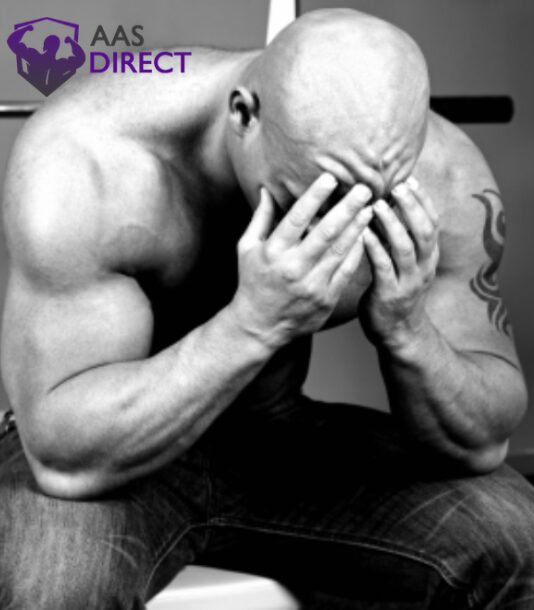
What Steroid-Induced Mood Swings Actually Look Like
Steroid-induced mood swings don’t follow a predictable pattern, making them especially disorienting for both users and those around them. One moment, you’re feeling invincible and energized; the next, you’re overwhelmed by irritability or unexplained sadness. These rapid emotional shifts, known as emotional lability, can surface without obvious triggers.
You might notice depression creeping in during off-cycles, leaving you unmotivated and withdrawn. Anxiety can make everyday situations feel overwhelming, disrupting your sleep and focus. Irritability often intensifies small frustrations into explosive reactions, damaging your personal and professional relationships.
These mood swings aren’t simply “bad days.” They reflect genuine neurochemical disruption happening inside your brain. Recognizing these patterns early helps you seek appropriate support before the psychological effects deepen or become harder to reverse.

How Long Steroid Mood Swings Actually Last
Knowing what steroid-induced mood swings look like is one thing. Understanding how long they’ll actually stick around is another. The timeline varies depending on how heavily and how long you’ve used steroids.
Short-term users may see mood swings resolve within weeks of stopping. However, if you’ve used it heavily, psychological and behavioral changes can persist for months. Long-term neuropsychiatric effects sometimes linger well beyond your last dose, even after your hormones normalize.
Your brain’s chemistry doesn’t reset overnight. Recovery and support strategies, such as therapy, proper sleep, and medical supervision, can shorten this window considerably. Without intervention, you’re more likely to experience prolonged emotional instability. The sooner you seek help, the faster your mental health can stabilize.

Why Some People Experience Steroid Mood Swings More Severely
Not everyone who abuses steroids experiences mood swings with the same intensity. That difference comes down to several personal and biological factors. Your genetic makeup, mental health history, dosage, and cycle length all influence how severely psychological effects emerge.
If you’ve previously struggled with anxiety or depression, you’re far more vulnerable to pronounced hormonal imbalances that amplify emotional instability. Higher doses naturally correlate with more extreme aggression and behavioral disruption.
Your baseline testosterone sensitivity also matters. Some people’s brains react more dramatically to hormonal fluctuations than others.
Stacking multiple compounds, using steroids without medical oversight, and neglecting sleep or nutrition further compound these risks. Understanding your individual vulnerabilities isn’t a weakness. It’s essential information for protecting your mental health before, during, and after steroid use.
How to Treat Steroid-Related Mood Swings
Treating steroid-related mood swings isn’t a one-size-fits-all process. It requires addressing both the hormonal disruption and the psychological fallout simultaneously. If you’re dealing with roid rage or persistent mood swings, medical supervision is your priority. A doctor can guide you through a safe tapering protocol, reducing hormonal shock to your system.
Psychological counseling helps you identify triggers, develop coping strategies, and process emotional changes linked to mental health risks. Cognitive-behavioral therapy is particularly effective here.
Lifestyle interventions also matter. Prioritizing sleep, balanced nutrition, and regular moderate exercise supports neurochemical stability. You shouldn’t underestimate peer support groups either, as shared experiences accelerate recovery.
Combining medical, psychological, and lifestyle approaches gives you the strongest foundation for restoring emotional balance after steroid misuse.