



Cannabis can genuinely help with pain, but it’s not a one-size-fits-all solution. It works by interacting with your body’s endocannabinoid system, which naturally regulates pain and inflammation. THC binds to brain receptors to alter how you perceive pain, while CBD reduces inflammation without the psychoactive effects. The evidence is strongest for neuropathic and cancer-related pain.
How Cannabis Actually Targets Pain in the Body
When cannabis enters your body, it interacts with a highly specific biological network called the endocannabinoid system (ECS). This cell-signaling system plays a central role in regulating pain perception, inflammation, and nervous system communication.
Your ECS contains receptors throughout your brain and body that cannabinoids directly influence. THC (tetrahydrocannabinol) binds to CB1 receptors in the brain, altering how you perceive pain signals. CBD (cannabidiol), however, doesn’t bind directly to these receptors. It modulates them indirectly, reducing inflammation and calming overactive nerve responses.
Together, these compounds can disrupt pain signaling at multiple points in your nervous system. That’s what makes cannabis a genuinely targeted option for pain relief, rather than a generalized numbing agent.
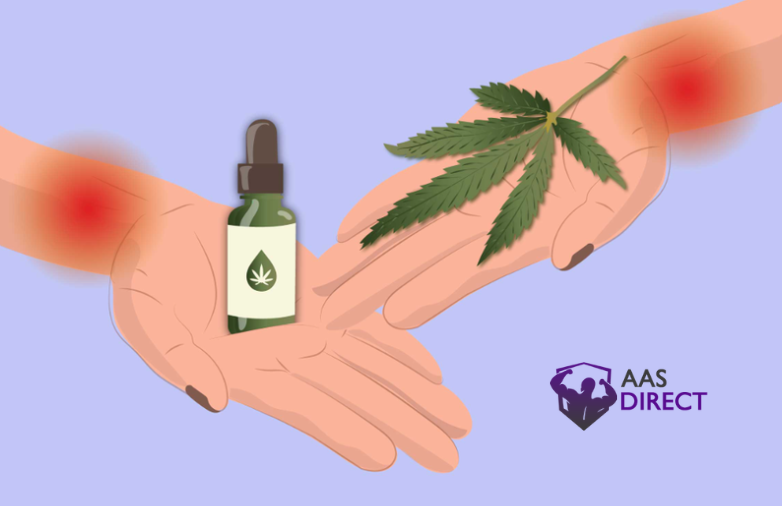
What the Research Really Says About Cannabis for Pain
Research on cannabis for chronic pain shows mixed but cautiously promising results. Some clinical trials suggest that THC (tetrahydrocannabinol) produces meaningful analgesic effects, particularly for neuropathic and cancer-related pain. CBD (cannabidiol), while less psychoactive, shows anti-inflammatory potential, though clinical evidence supporting its standalone pain-relieving effectiveness remains limited.
You’ll find that many studies suffer from small sample sizes, short durations, and inconsistent dosing protocols, making firm conclusions difficult. Systematic reviews indicate moderate evidence for cannabis reducing chronic pain intensity, but they also highlight significant variability across individuals.
What works well for one person may offer little relief for another, so you shouldn’t treat research findings as universal guarantees.
Which Types of Chronic Pain Respond Best to Cannabis
Not all types of chronic pain respond equally to cannabis, and knowing where the evidence is strongest can help you make more informed decisions. Research suggests neuropathic pain shows the most consistent response to cannabinoids. Conditions like diabetic neuropathy or multiple sclerosis-related pain often respond well when traditional pain management therapies fall short.
Inflammatory conditions, including rheumatoid arthritis, may also benefit through inflammation modulation driven by both THC (tetrahydrocannabinol) and CBD (cannabidiol). THC tends to reduce pain perception directly, while CBD supports anti-inflammatory pathways without psychoactive effects.
Cancer-related pain and treatment side effects represent another area where cannabis shows meaningful potential. However, musculoskeletal pain and general back pain have weaker supporting evidence, so you should approach those expectations with caution.
The Real Risks of Using Cannabis for Pain Management
While cannabis offers real benefits for certain pain conditions, it also carries risks that you shouldn’t overlook. THC’s psychoactive effects can impair memory, concentration, and coordination, making daily tasks more difficult. With repeated use, tolerance development becomes a real concern, meaning you’ll need higher doses to achieve the same relief.
CBD carries fewer psychoactive risks, but it’s not entirely without concern. It can interact with certain medications, affecting how your body processes them.
Long-term use also raises safety questions around dependence, respiratory issues from inhalation, and cognitive changes. Dosing inconsistencies across products make managing these risks even harder.
Before starting cannabis for pain, consult a healthcare provider to weigh these risks against potential benefits specific to your situation.
How to Bring Up Cannabis With Your Doctor
Talking to your doctor about cannabis for pain relief can feel awkward, but it’s a conversation worth having. Start by being honest about your symptoms and what you’re hoping to achieve, whether that’s symptom relief, reduced inflammation, or better sleep.
Ask specifically about CBD versus THC, since each works differently and carries distinct risks. Mention any concerns about dosing variability, as product potency can differ greatly. Your doctor can help you weigh safety considerations, especially if you’re taking other medications that might interact with cannabinoids. Come prepared with questions rather than assumptions.
Even if your doctor is hesitant, you deserve a straightforward, judgment-free discussion. Having that conversation guarantees you’re making an informed decision rather than guessing your way through treatment.

It is hard to get a true representation of how good these products are because they never arrive. I have waited for an order for a month or more thee guys are not ethically motivated. THEY ARE THIEVES AND AVOID ANY INTERACTION if the products do not arrive 803-289-8190 is my phone number if anyone want to hear the truth about these folks USE ANOTHER SOURCE
they never mailed my products just kept the money and I got nothing
try PureAnabolics I have never had a problem with them