


Psilocybin-assisted treatment may be a great way to get better if you’re having trouble with addiction. It attaches to serotonin receptors in your brain and interferes with the neuronal loops that make you crave things and do things that you don’t want to do. Relapse rates have gone down in clinical studies, especially for people who are addicted to nicotine or alcohol. But officially, you can only get it through approved clinical or regulated programs.
How Does Psilocybin Actually Work on the Addicted Brain?
Addiction changes the brain’s reward circuitry so that dopamine pathways support compulsive drug-seeking behavior, and rigid thought patterns make it hard to imagine life without the substance. Now this is where psilocybin comes in.
If you take it, it connects to the serotonin 5-HT2A receptor and breaks the brain loops that keep you thinking about addiction for a short time. This change encourages neuroplasticity, which lets your brain make new connections and deal with feelings more openly. When you’re in psychedelic-assisted psychotherapy, this moment of cognitive flexibility is helpful because it makes you more open to new ideas and changes in your behavior.
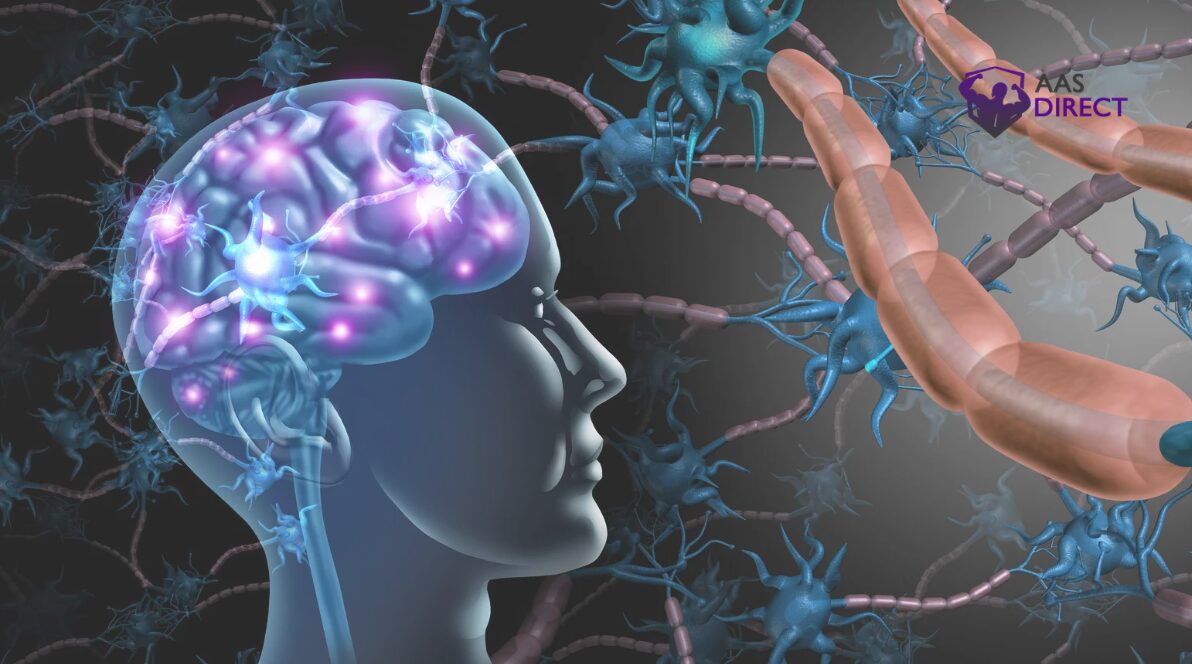
Researchers who are looking for ways to keep people with an addiction from relapsing think this mechanism is especially hopeful because it does more than just curb cravings; it changes how you interact with the things that make them happen
What Does the Research on Psilocybin and Addiction Actually Show?
Studies that looked at psilocybin treatment for addiction recovery found that it lowered cravings, relapse rates, and compulsive drug-seeking behavior in both nicotine and alcohol dependence.
You’ll find that psychedelic medicine based on evidence doesn’t make big claims.
Small group sizes and limited long-term follow-up are real problems that researchers have to deal with. The serotonin receptor psychedelic mechanism does, however, seem to open up real doors for behavior change when used with structured psychedelic treatment programs.
Other substances besides psilocybin cause these effects, which is very interesting. Results are much better when dosing takes place in controlled therapeutic settings that include planning, guided sessions, and support for integrating the experience afterward.
Is Psilocybin-Assisted Addiction Therapy Legal Right Now?
Depending on where you live, the laws about psilocybin are complex and often at odds with each other. Most countries still list psilocybin as a Schedule I controlled substance. It has no known medical use and a high possibility for abuse. Because of this, most people who need help with a substance use problem can’t get psilocybin-assisted therapy anywhere other than approved clinical research settings.
There are a few cases. Oregon is moving toward regulated, supervised psychedelic treatment programs, and some places have made it less illegal to have a small amount of these drugs. Australia just recently allowed some limited clinical use for certain illnesses. To be clear, these are not broad decisions; they are narrow openings.
If you’re looking into psilocybin for addiction recovery, you should know that getting it outside of a legal study setting is very dangerous for your health and your goals.

How Does a Psilocybin-Assisted Therapy Session Actually Work?
The whole point of psilocybin-assisted therapy is to reduce risk as much as possible while increasing therapeutic worth. You’ll go through screening and preparation stages before you get any dose. During these times, therapists will look at your mental health history and decide how they want to treat you.
During the lesson, you are in a controlled clinical setting with trained guides nearby. Usually, psilocybin-assisted therapy lasts for six to eight hours. During that time, organized psychotherapy principles help you work through your feelings and gain new insights.
During a six- to eight-hour session, trained guides walk with you to help you work through your feelings and gain important insights.
After that, integration treatment is very important. You’ll work with therapists to change your behavior in a way that lasts. It is where neuroplasticity and addiction treatment really come together.
Currently ongoing clinical trials keep improving these methods to get better results. Within the general therapeutic model, preparation, dosing, and integration serve a specific purpose.
Who Should and Shouldn’t Consider Psilocybin Therapy?
Psilocybin-assisted therapy isn’t right for everyone, and it’s important to know who is a good candidate and who is at serious risk before going down this road. If you’re addicted to nicotine or alcohol and traditional ways of treating drug use disorders haven’t helped, you might be able to join ongoing clinical trials.
Psychedelic-assisted treatment does, however, come with real risks for some people. If you or someone in your family has had psychosis, schizophrenia, or bipolar disease, you shouldn’t try psilocybin. Heart problems and the use of serotonin-boosting drugs today also make safety worries very high.
Strong candidates usually show that they are mentally stable, ready for deep self-reflection, and willing to commit to integration treatment afterward. You should never use self-evaluation to decide if you are eligible; you should always go through a full clinical screening.