


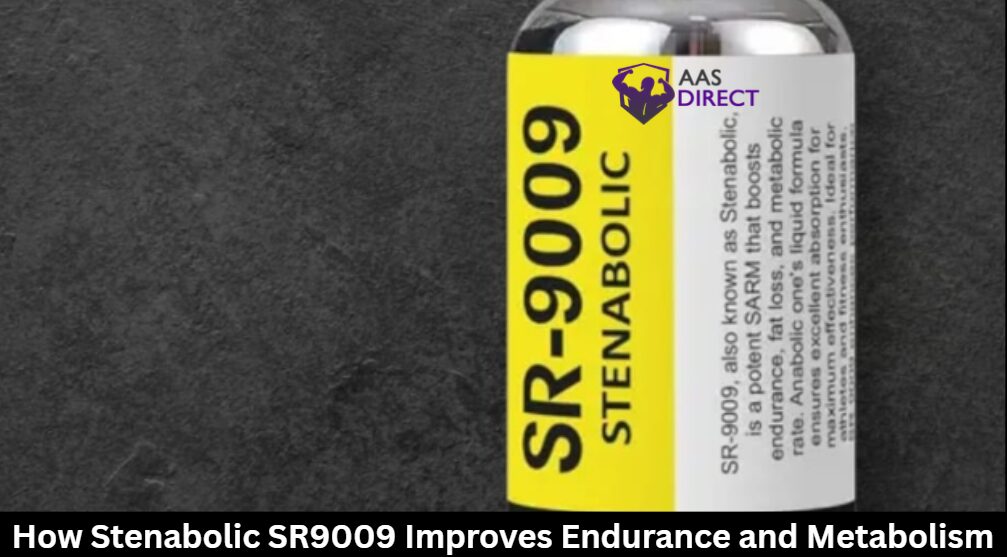
SR9009, known as Stenabolic, works by activating Rev-Erb receptors that regulate your circadian rhythm and metabolism. It mimics the metabolic effects of exercise without physical activity. Your body shifts toward burning fat more efficiently, while mitochondrial function improves for better ATP production.
It leads to greater endurance capacity and reduced fatigue. Animal studies show promising results, though human data remains limited.
What Is SR9009 and How Does It Work?
Stenabolic, sold under the research label SR9009, is a synthetic compound designed to bind to Rev-Erb receptors or proteins that regulate circadian rhythm and metabolic gene expression throughout the body. When you activate these receptors, you’re influencing how your cells manage energy, fat oxidation, and glucose metabolism at the genetic level.
Researchers classify SR9009 as an exercise mimetic because it triggers metabolic shifts similar to physical training without the actual exercise. Its effects on mitochondrial activity suggest it can enhance how efficiently your cells produce energy through oxidative pathways.
Through metabolic regulation, SR9009 may support improved endurance performance by altering fuel utilization and increasing energy expenditure. It’s still an experimental compound, but its mechanism offers a compelling framework for understanding how circadian biology connects to physical capacity.
How SR9009 Rewires Metabolism at the Cellular Level
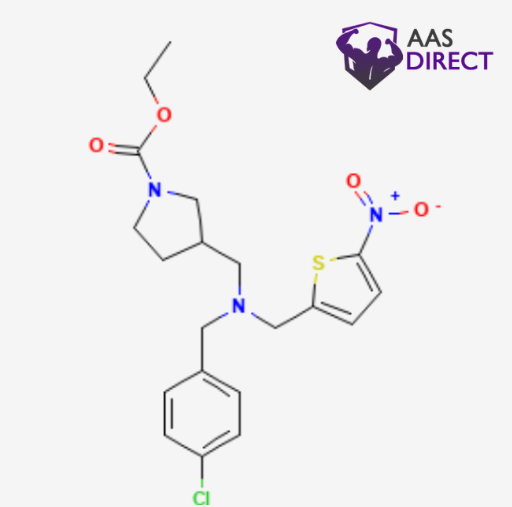
Once SR9009 binds to Rev-Erb receptors, the downstream effects reach deeper than surface-level energy shifts. They reshape how your cells prioritize and process fuel at a genetic level. SR9009 directly influences gene expression tied to lipid and glucose metabolism, fundamentally reprogramming how your body allocates energy resources.
By upregulating fat oxidation pathways, it shifts your cells toward burning stored fat more efficiently as a primary fuel source.
Mitochondrial function also improves, with research suggesting increased mitochondrial biogenesis and oxidative capacity in skeletal muscle. That means your cellular energy production becomes more efficient under metabolic demand. Rather than mimicking exercise superficially, SR9009 targets the molecular machinery that governs how your cells generate, spend, and conserve energy, making it a compelling subject in metabolic research.
SR9009’s Impact on Endurance and Athletic Output
When those cellular-level metabolic shifts translate to real-world output, the results in animal research are hard to ignore. SR9009 has shown measurable improvements in endurance performance across preclinical models, with subjects demonstrating greater running capacity, reduced fatigue, and longer time-to-exhaustion. These outcomes tie directly to enhanced mitochondrial function, where muscle cells generate ATP more efficiently through oxidative pathways.
You’re also looking at elevated energy expenditure driven by activated fat-burning pathways, meaning the body leans on lipid oxidation rather than depleting glycogen stores prematurely. That metabolic shift helps sustain output over longer durations.
What’s worth noting, though, is that human data remains absent. Animal models don’t reliably translate to athletic performance, so these findings still need to be interpreted with appropriate caution.

What the Research Actually Reveals: and Where It Falls Short
Preclinical data on SR9009 are compelling, but it’s built almost entirely on rodent studies, and that’s where the credibility starts to thin. The metabolic effects observed in mice don’t automatically transfer to human physiology. You’re looking at a compound with zero completed human clinical trials, no established dosing protocols, and no long-term safety data.
SR9009’s limitations aren’t minor footnotes; they’re fundamental gaps that prevent any definitive conclusions. Researchers still don’t fully understand how Rev-Erb activation translates across species.
If you’re evaluating this compound seriously, you must separate what animal models suggest from what human studies have actually demonstrated. Because right now, that second category is fundamentally empty.
SR9009 Half-Life, Dosage Ranges, and Known Safety Risks
Beyond the research gaps, there are practical questions that come up when people start looking at SR9009 more closely, specifically around how the compound behaves in the body and what risks come with it. SR9009 has a particularly short half-life of roughly four hours, meaning you’d need multiple daily doses to maintain stable blood levels. Reported dosage ranges typically fall between 20 and 30mg per day, split across three to four doses.
No human clinical data is confirming SR9009 is safe, and potential concerns include liver stress, hormonal disruption, and unknown long-term effects. While people discuss it as a way to improve endurance performance and metabolic rate, you’re fundamentally experimenting with a compound that has no verified human safety profile at all.

It is hard to get a true representation of how good these products are because they never arrive. I have waited for an order for a month or more thee guys are not ethically motivated. THEY ARE THIEVES AND AVOID ANY INTERACTION if the products do not arrive 803-289-8190 is my phone number if anyone want to hear the truth about these folks USE ANOTHER SOURCE