


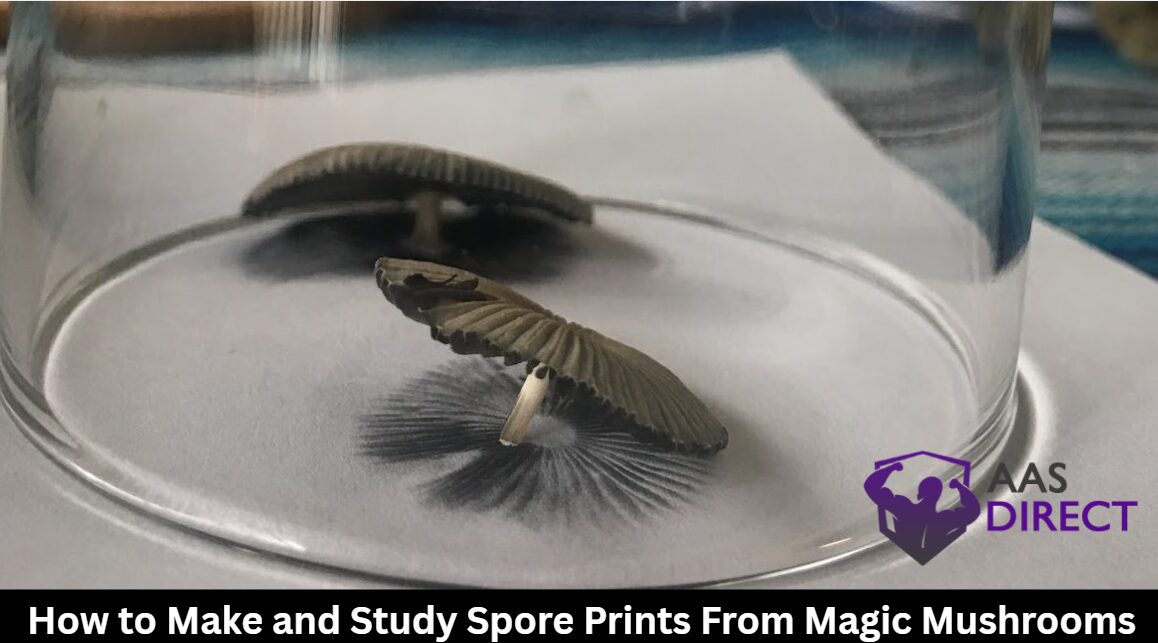
Carefully take off the cap of a fully grown mushroom and put it on foil or paper with the gills facing down. It will make a spore print. For 4 to 6 hours, cover with a bowl to keep air currents out. Then, carefully lift to see the unique purple-brown print that only psilocybin species can leave.
To see color patterns better, look at them against different backgrounds. Keep them in a cool, dry place between sheets of acid-free paper to keep them in good shape. We still have a lot to learn about the tiny world of spores.
The Science Behind Spore Prints
Many people like magic mushrooms because they make them feel high, but their spore prints are also very interesting because they show how fungi live and reproduce. You collect thousands of tiny reproductive cells that hold the fungus’s genetic blueprint when you make a spore print.
These prints aren’t just visually striking. They’re essential tools for species identification. Spores from each type of magic mushroom are different in size, shape, and color. When you look at these changes through a microscope, you can see how the cells are structured differently in species that look a lot alike.
Spore prints are useful for more than just recognition; they also reveal a lot about the genetics and reproduction of mushrooms. In them, you can look at how different psilocybin-containing mushrooms evolved together and learn how these amazing organisms spread and stay alive in their natural environments.
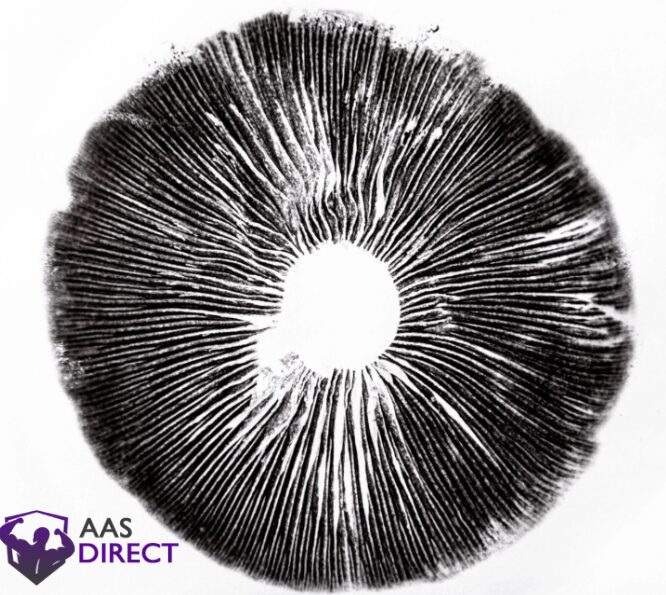
Essential Materials and Equipment for Creating Clean Prints
To get exact spore prints of magic mushroom, you’ll need certain supplies that will give you clean samples and accurate results. Starting with a variety of substrates is a good idea. Aluminium foil and white/black paper are both good for catching germs effectively.
Make sure you have nitrile gloves, isopropyl alcohol (70%+), and a clean area that isn’t near any air currents. A glass cup or bowl makes a great cover for your caps because it keeps the humidity level stable and keeps flying particles from getting inside.
A microscope with glass slides and coverslips (400–1000x magnification) will show you the features of spores in more detail. Don’t forget to bring tweezers for touching specimens and containers that won’t let air in for storage. Keep in mind that being patient and careful with these tools will make your prints look much better.
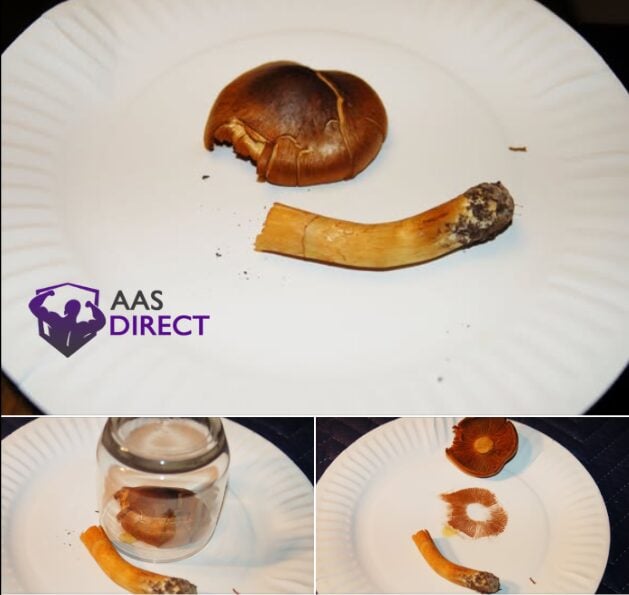
How to Do It Step by Step
Once you have everything you need, making a spore print from a magic mushroom cap takes careful work. Put the grown cap on the prepared paper or foil with the gills facing down. Carefully remove the cap from the stem. Put a bowl over it to keep air currents and germs out, and then don’t touch it for 4 to 6 hours.
Once the time is up, carefully lift the bowl and cap off to see your spore print. The unique color pattern helps tell the difference between types of magic mushrooms.
Psilocybe cubensis usually leaves purple-brown prints, but other species may leave prints in different colors. Spray with a fixative or cover with clear contact paper to keep it safe. When you look at these prints the right way, you can learn a lot about the specifics of your species.
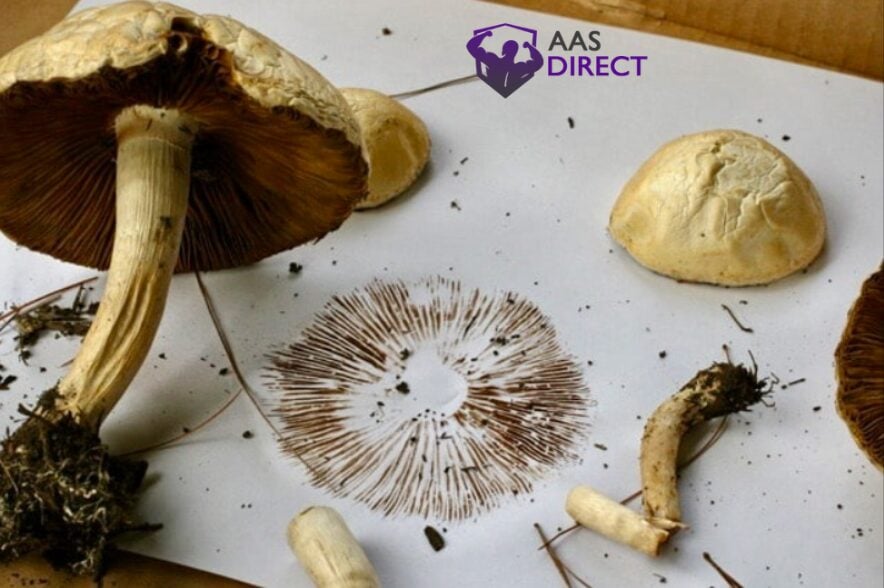
Looking at Color Patterns and Features
For species classification, the color of a magic mushroom spore print is very important. Most species that contain psilocybin make spore prints that are purple-brown to dark purple, but some species make prints that are different colors.
Take note of both the general color of your print and any gradient patterns that show up where the spores fall from the mushroom caps as you look at it.
To get a good idea of the real color of your spore print, hold it up against different backgrounds. Pure white paper works well for darker prints, while black paper highlights lighter spores. For mycology research reasons, write down these traits in a methodical way.
Patterns of density are also important. The difference between the centre concentration and even spread can show when the cap is mature and how the spores are released. Although the changes in spore color and distribution patterns are small, they are important pieces of information that help tell the difference between psilocybin mushroom types that look alike.
Preservation Techniques
Properly preserved spore prints can last for years when you’ve taken appropriate storage measures. Place prints between sheets of acid-free paper and keep them in a dry, shaded area with cool temperatures to preserve their quality. Label each specimen with the species name, collection date, and location of the fruiting bodies for accurate fungi identification.
Building a reference library allows you to compare spore characteristics across different magic mushroom varieties. Document key features like color (typically purple-brown from mushrooms with gills), spore size, and pattern density. These details are essential for understanding reproduction cycles and confirming species identity.
Consider using transparent sleeves or archival folders to organize your collection. With proper maintenance, your spore print library becomes an invaluable resource for future research and identification challenges.