


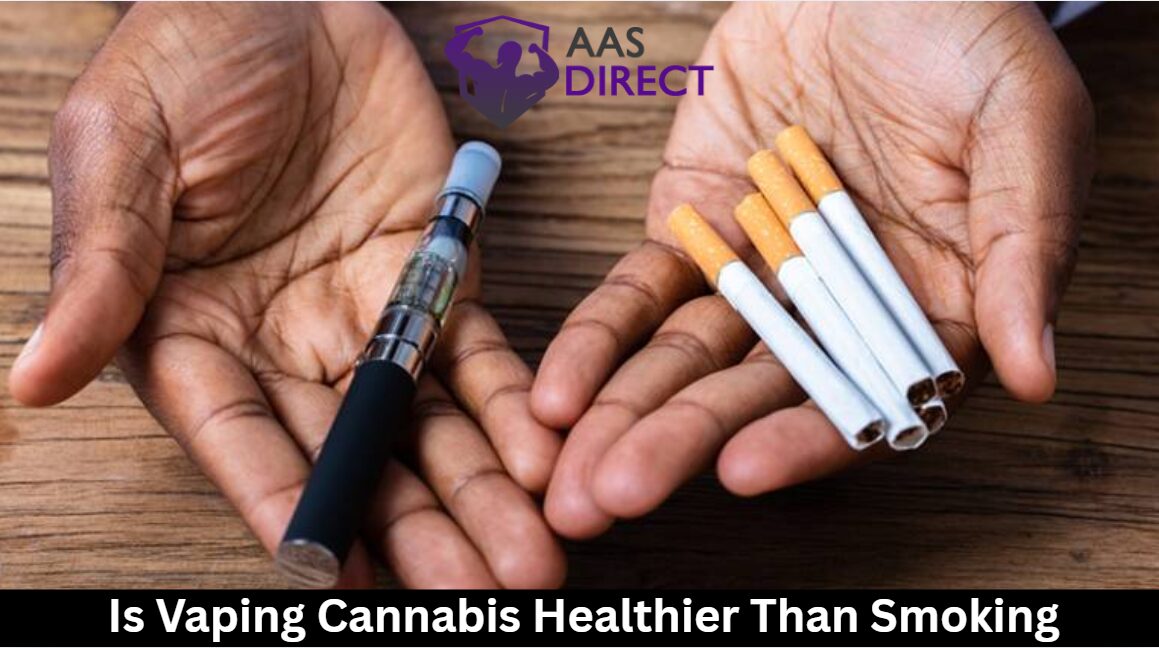
People vaping cannabis are usually less likely to get cancer and respiratory problems than people who smoke it because the vape does not involve combustion. Vaping at lower temperatures (180-210°C vs. 900°C for smoking) means you’ll breathe in fewer dangerous chemicals. Vape goods, on the other hand, often have higher amounts of THC and other ingredients that could be harmful.
Both methods have risks, but vaping is a safer option for people who are worried about their lung health. There are important things to think about besides just the breathing method.
What’s the Difference Between Smoking and Vaping Cannabis?
Both vaping and burning cannabis get cannabinoids into your body, but they do so in very different ways. Burning the plant matter at high temperatures (around 900°C) is what smoking does. Many byproducts are bad for your respiratory health.
When you vape, on the other hand, weed is heated at lower temperatures (180-210°C) without burning it. To get the cannabinoids you want, this big difference means that fewer harmful chemicals get into your lungs.
Also, the rates of absorption are different. Smoking usually leads to faster, stronger psychoactive effects that peak quickly, while vaping can be more managed and may work better.
Knowing the difference between these types of consumption helps you pick the best way for your health and the experience you want.
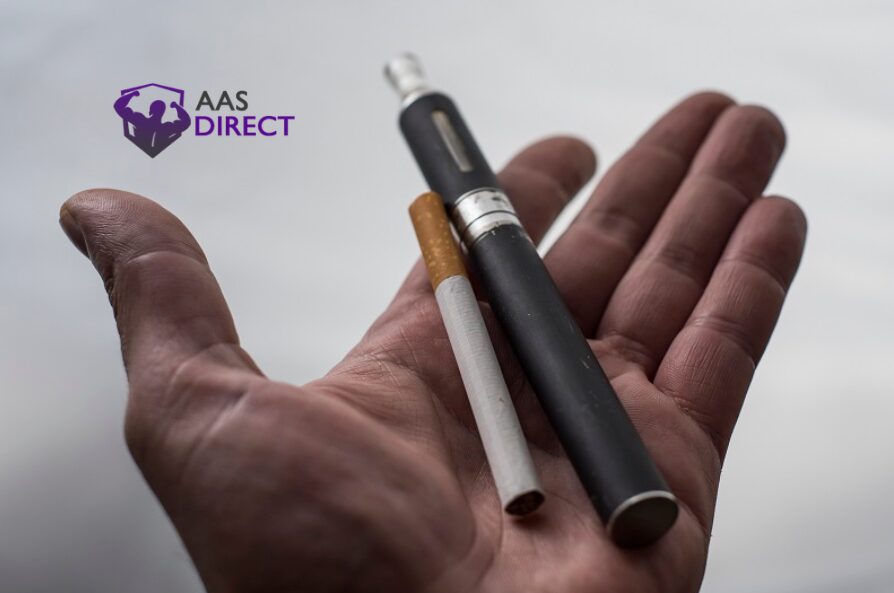
Effects on Health of Burning Cannabis vs. Vaping It
Although vaporising cannabis is safer than smoking it, smoking it makes hundreds of harmful byproducts when it burns. Carcinogens and tar that you breathe in when you smoke can build up in your lungs over time, which could cause chronic bronchitis and a lot of discomfort.
Vaping, on the other hand, turns weed into a steam at lower temperatures that don’t burn the plant. This control over temperature makes it possible to get cannabinoids and terpenes out of cannabis without making the same dangerous byproducts of combustion.
Studies show that vaping can cut your exposure to chemicals that are bad for your lungs by up to 95% compared to smoking.
While neither method is completely risk-free, the evidence shows that vaping is a safer way to enjoy cannabis for people who are worried about their lung health.
The Role of Additives and Contaminants in Vaping Products
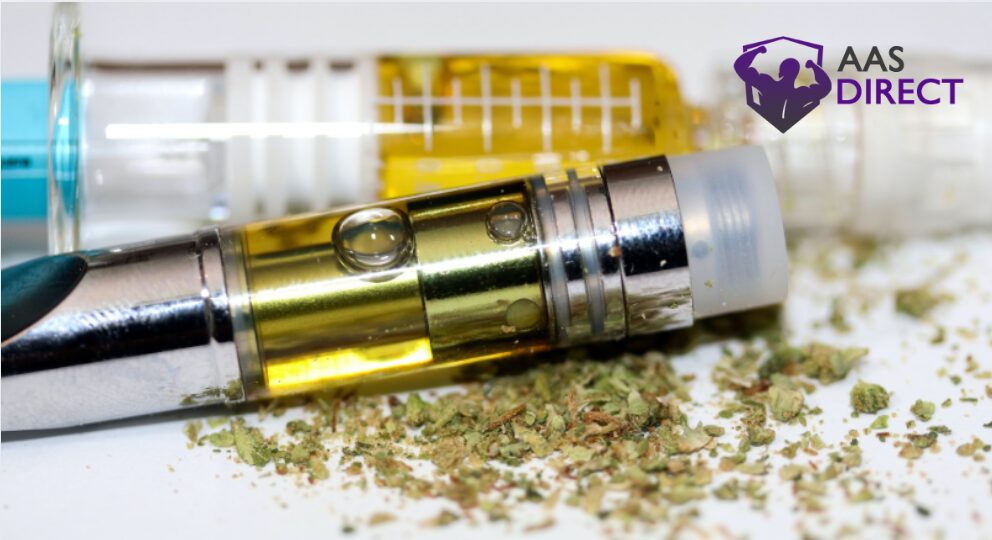
Unlike dried cannabis flower, many vape goods have extra ingredients that can be very bad for your health when heated and inhaled. When vaporised at high temperatures, cutting agents like vitamin E acetate, propylene glycol, and flavouring chemicals can do a lot of damage to the lungs.
You should think about these risks and possible benefits when picking a way to send cannabis. Good vape goods should be clear about what ingredients they use so that you can avoid harmful contaminants. Third-party lab tests can tell you if a product doesn’t contain any chemicals, heavy metals, or artificial additives.
Keep in mind that some vape packs may contain concentrated forms of THC that can make it easier to become addicted. Always buy from licensed dispensaries to avoid getting fake goods that have harmful additives in them.
THC Concentration in Vape Products
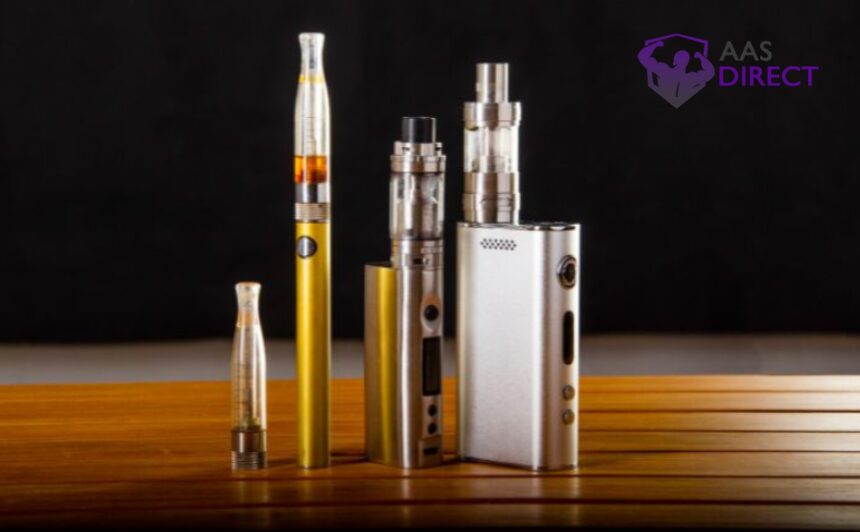
Cannabis vape goods usually have a lot more THC than regular flower. Some concentrates are 80–90% potent, while premium flower only has 15–25%. Because of this big difference in strength, vaping lets you inhale a lot more THC with each puff.
The aerosol delivery method in vape devices lets more THC get into your system through your lungs without the filtering effect that happens when you burn it. Controlling your dose is harder because of this, especially for first-time users.
When you use high-potency vape goods, you’ll need to change how you normally smoke. Start with a small amount of inhalation and wait a few minutes between puffs to see how they affect you. This way, you won’t accidentally take too much, which could cause anxiety, confusion, or other unpleasant feelings.
What Current Research Reveals About Long-Term Effects
As a result of its relatively new popularity, vaping cannabis has not been the subject of as much study as traditional smoking it. The studies we do have show that vaping is safer for your lungs than burning tobacco, but this doesn’t mean it will be safe in the long run.
Early research suggests that vaping may not make lungs swell as much as smoking does. Some experts are looking into whether products that are high in CBD might be better for you than products that are high in THC in terms of health benefits and risks. However, scientists still can’t say for sure if vaping stops the chronic coughing that comes with smoking for a long time.
Recent cases of e-cigarette or vaping product use-associated lung injury (EVALI) are even scarier. They tell us that we may not fully understand all the health effects for decades.