


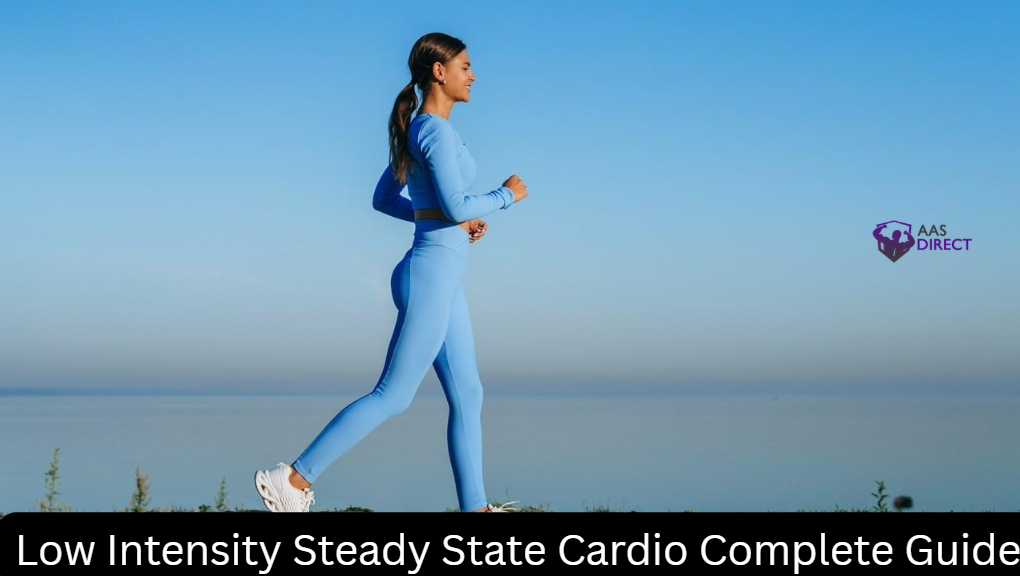
Low-intensity steady state cardio, or LISS, is an aerobic exercise in which you work out at a moderate level of energy for 30 to 60 minutes. Your heart rate will stay between 50 and 65% of its highest. Things like swimming, brisk walking, and light riding all count. It helps you lose fat, recover, and build endurance without putting too much stress on your body.
What Is Low Intensity Steady State Cardio?
Low-intensity steady-state cardio, or LISS, is an aerobic exercise in which you keep up a steady, moderate level of effort for a long time, usually 30 to 60 minutes. You’re working at about 50–65% of your highest heart rate, which keeps you in the aerobic zone without making you out of breath.
LISS doesn’t change the level of work like high-intensity interval training does. Your speed stays the same the whole time. Fast walking, light riding, swimming, and incline treadmill work are all common examples.
LISS helps your cardiovascular health by teaching your heart and lungs how to work better over time. Additionally, it helps burn fat, since lower intensities use fat as a fuel source more. It’s also great for active recovery days when your body needs to move but doesn’t need extra stress.
The Proven Benefits of LISS Cardio
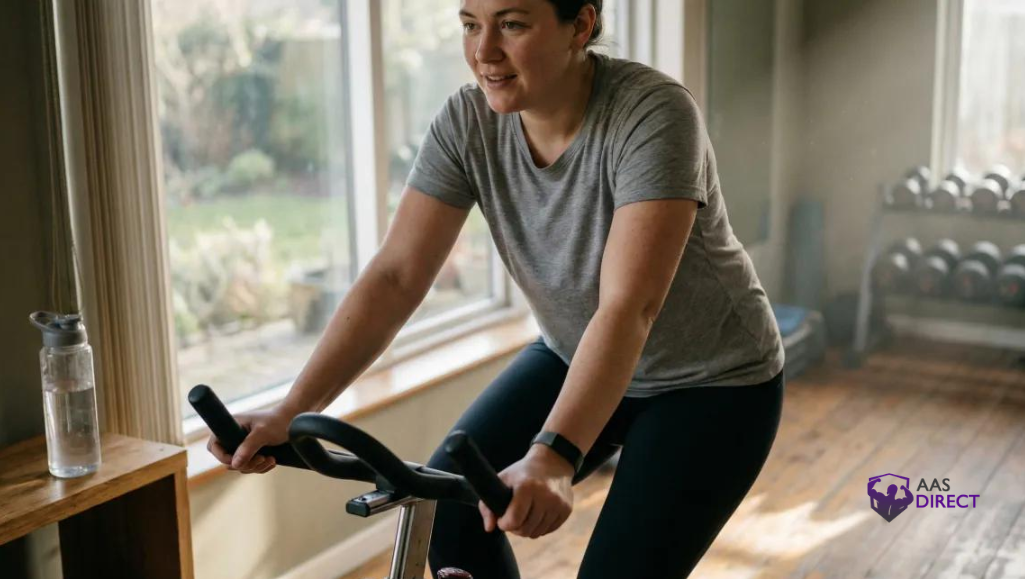
LISS cardio has many well-known benefits that you should know about, whether you’re a beginner starting your first fitness routine or an experienced athlete managing a heavy training load. Low-intensity cardio is good for heart health because it strengthens the heart, improves circulation, and builds up aerobic ability over time. It also makes you burn more calories every day without putting too much stress on your joints or nervous system. As a cardio method that burns fat, LISS focuses on fat oxidation as fuel, which makes it a useful addition to fat-loss plans. In addition to changing your body composition, doing low-intensity endurance training helps your body recover by clearing out metabolic waste between bouts of harder training. All of these benefits make LISS a useful and easy-to-use tool, no matter what your fitness level or main training goal is.
The Best LISS Cardio Workouts for Every Fitness Level
The best LISS workout for you depends on your fitness level, the equipment you have access to, and your own personal preferences. Low-intensity steady-state cardio is really easy to do because you don’t need any special equipment or to be very athletic.
For beginners, walking on flat ground to lose fat, light cycling, or easy swimming are all good choices. These are a good way to start aerobic training without putting too much stress on your body.
In-between options include walking on an incline treadmill, using an exercise machine, or doing light rowing. All of these activities increase cardiovascular demand while staying in low-intensity zones.
Advanced athletes often use LISS workouts as cardio to recover between days of heavy training. They do controlled-effort sports like cycling or light jogging during these workouts.
No matter how fit you are, try to run at a conversational pace for 30 to 60 minutes, keeping your heart rate between 50 and 65% of your maximum.
LISS vs. HIIT: Which One Is Right for You?
Once you know which LISS workouts are best for your fitness level, the next question that comes to mind is whether LISS is the best exercise method for your goals or if high-intensity interval training (HIIT) would be better. No matter what you’re trying to do, both approaches have their own benefits.
Low-intensity steady-state cardio keeps your heart rate in a comfortable aerobic zone. This makes it perfect for recovering, burning fat, and improving cardiovascular endurance without making you too tired. LISS can help you stay alive longer and put less stress on your body.
HIIT, on the other hand, requires more intense exercise and shorter workouts, which makes it a good way to get in shape and burn calories quickly. LISS is better if you’re starting or taking care of healing. HIIT might be better if you are short on time and want to get better.
How to Fit LISS Cardio Into Your Weekly Routine
To add LISS to your weekly routine, you don’t have to change your schedule completely. Instead, you just need to find a place where it fits in naturally. If you already lift weights, doing low-intensity steady-state running on days when you’re resting or recovering will help you handle fatigue. Aim for two to four LISS cardio sessions a week, with 30 to 60 minutes between each one. When trying to lose fat and keep your energy up for lifting, steady-state exercise is a good choice. You can slowly add more time to your workouts over a few weeks if you want to do endurance training or improve your VO2 max. Be honest about your intensity. You should keep up the conversational effort the whole time. Keeping track of your weekly volume keeps you from doing too much, and makes sure that your LISS exercises work with your overall program instead of against it.