


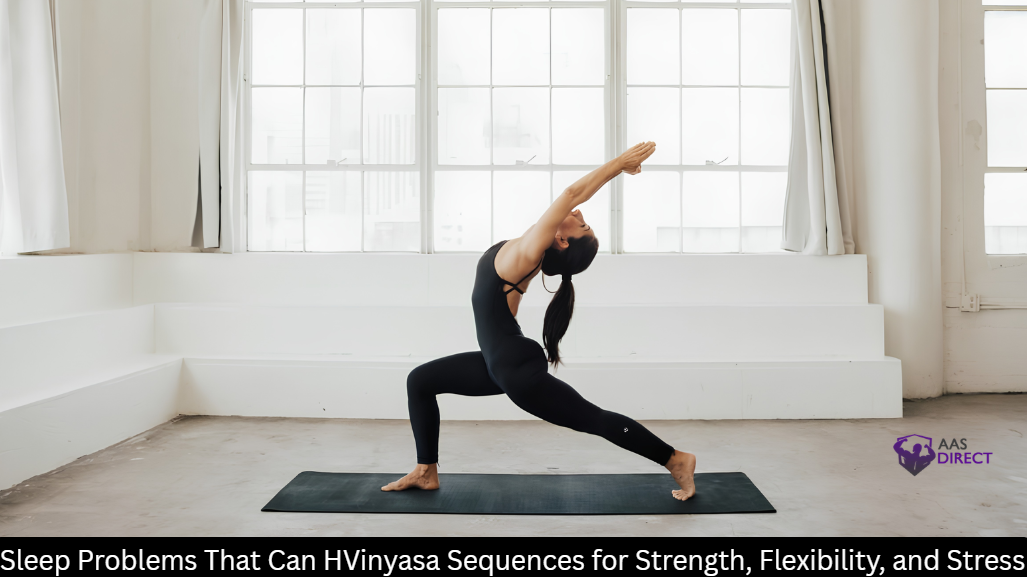
With vinyasa sequences, you can get stronger, more flexible, and less stressed all at the same time. You’ll move quickly through poses like Plank, Chaturanga, and Warrior variations that work your muscles and keep your mind calm with your breath. You can work out your hips, hamstrings, shoulders, and back all at once, which is a good method. There is a smart way to set up all of your sessions so that you get real results if you stick to two or three a week.
What Makes Vinyasa Yoga Different From Other Workouts?
In contrast to traditional gym workouts or static stretching routines, Vinyasa yoga combines movement and breath into a smooth flow. This way, you can calm your mind, get stronger, and become more flexible all at the same time. By carefully controlling your breath, you move from one pose to the next, creating a beat that works your muscles and keeps your nervous system active.
Individual lessons for strength or flexibility training are common in traditional workouts. Vinyasa blends the two, and the mindful movement adds stress relief. You’re not just lifting or stretching; you’re also managing your breath and body at the same time, which makes you more focused and aware of your body.
Vinyasa is very effective because it lets you work on many physical and mental goals at once, without having to switch between different ways to train or heal.
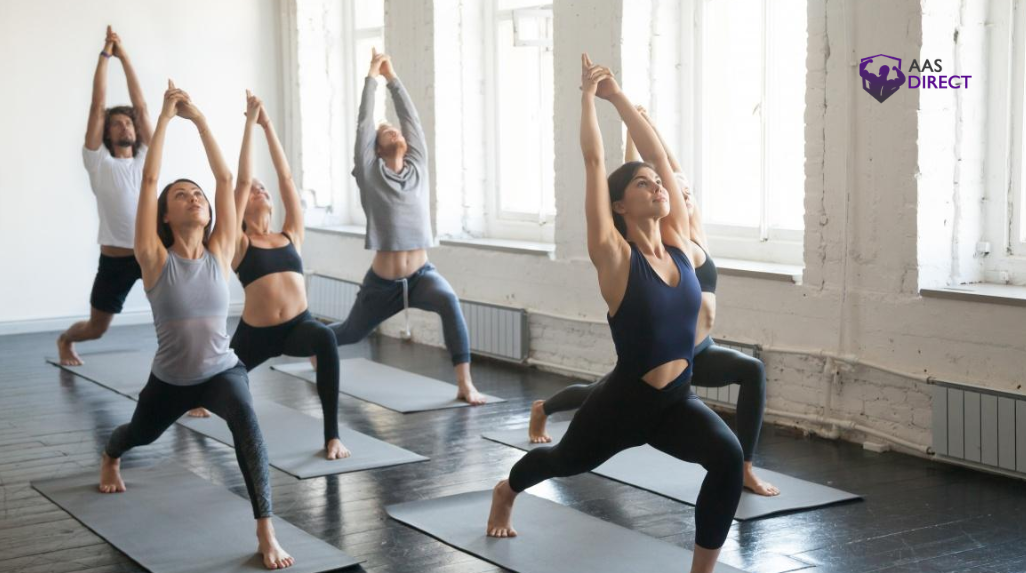
The Best Vinyasa Sequences for Building Strength
On top of that, the strength benefits of Vinyasa depend on the sequences you choose and how you move through them. If you do Vinyasa flow correctly, your muscles will be constantly tense during each change, which will test your muscular stamina.
Strengthen your core and upper body by holding plank position and lowering yourself slowly through Chaturanga. These moves require balance and timing, especially as you get tired. For stronger legs, chair pose and versions of Warrior II work your glutes, quads, and hamstrings well.
The changes themselves make the body work harder. When you move slowly between poses instead of rushing, your muscles have to work harder to stay stable over a wider range of motion. Maintain proper alignment throughout the whole exercise because as you tire, your technique tends to break down, which makes it less effective and raises the risk of injury.
Vinyasa Flows That Open Tight Muscles and Boost Flexibility
Rhythmic, controlled movement is key to vinyasa flows for flexibility because it allows you to build up your range of motion slowly, without putting you in any uncomfortable positions. It’s especially important to coordinate your breath with your movement here, because each exhale makes it easier to soften deeper into a stretch instead of pushing through resistance.
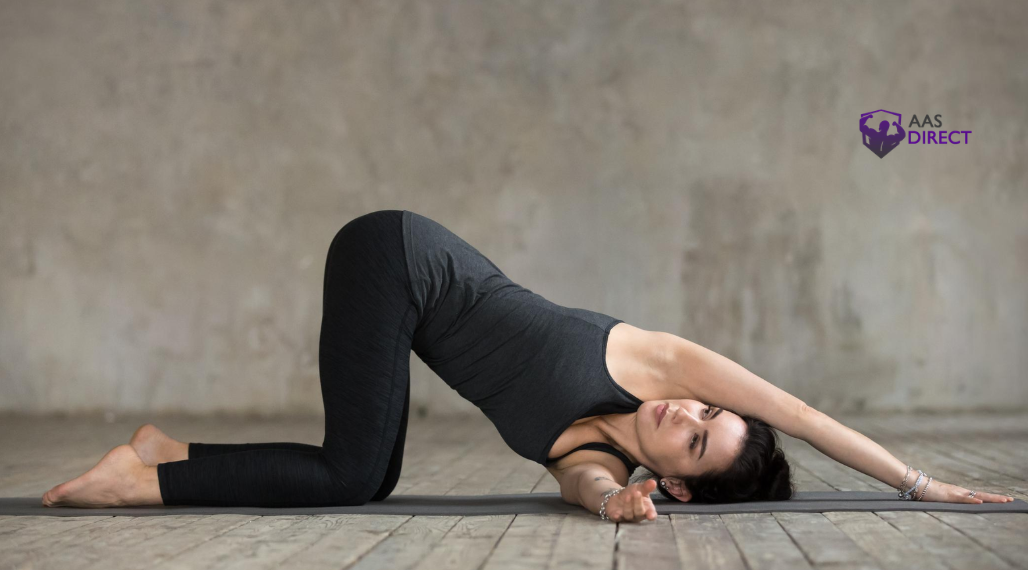
Focus on your hips, hamstrings, shoulders, and spine, which can make it hard to move around. Moving through Low Lunge, Thread the Needle, and Seated Forward Fold fluidly keeps tissues warm and promotes length. In contrast to static stretching, these flows keep moving, which helps with both flexibility and stress relief by keeping your nervous system active without overstimulating it. Much more important than depth is consistency.
Breathwork and Poses That Melt Stress in a Vinyasa Flow
Even though flexibility work eases tension in your body, stress lives deeper, in your nervous system, in the way you breathe, and in the thoughts that follow you onto the mat. What turns yoga sequences from exercise into real stress release is breathing exercises. Your nervous system starts to calm down when you slowly let out air and time it with each shift.
Begin by extending your body into Child’s Pose and breathing into your lower back. Do downward-facing dog and hold for five slow breaths. Then, take a step forward. To keep your rhythm steady, do some gentle Cat-Cow cycles before moving on to low lunges and sitting forward folds.
Being mindful here means paying attention to when your breath gets shorter and consciously making it longer again. When you do that simple correction over and over, it trains your nervous system to stay calm under stress, both on and off the mat.
How to Build a Weekly Vinyasa Schedule That Actually Sticks
A lot of people fail at Vinyasa not because it’s too hard, but because their plan doesn’t work with their real life. Start with two or three lessons a week and add to that as you go. Switch between flows that focus on strength and sessions that focus on flexibility or stress release. This balance keeps you from getting burned out and supports your overall health.
A 20-minute flow is still effective even if your week gets shorter. Being consistent is more important than being perfect. Put together days of recovery with harder, strength-based workouts and days of slower, breath-focused flows when you’re feeling stressed.
Put your sessions on your calendar just like you would an appointment. Don’t agree to anything else. Over time, you’ll be more flexible, stronger, and have a reliable way to relieve stress. Not because the schedule was strict, but because it worked with your life.